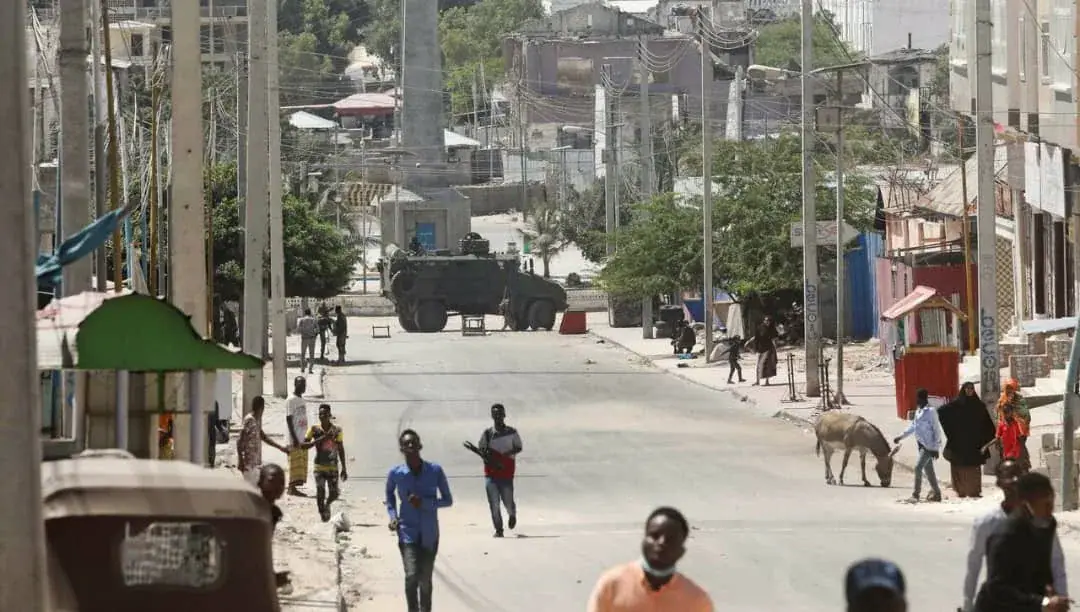
Somalia has been in a state of political crisis since May 2022, when President Hassan Sheikh Mohamud's term was first due to end. According to an analysis by Chatham House published on October 16, 2022, the crisis led to fierce clashes in Mogadishu and Baidoa, in South West State. Mohamud was elected in May 2022, but his term has been extended, sparking controversy and opposition from various groups.
The crisis deepened in March 2023, when parliament voted to change the constitution, extending the terms of the president and lawmakers from four years to five. The amendments also allowed citizens to elect members of the lower house directly and gave the federal government more power over revenue, elections, and intervention in member states. However, the states of Puntland and Jubaland, as well as opposition leaders, rejected the changes, citing concerns over legitimacy and representation.
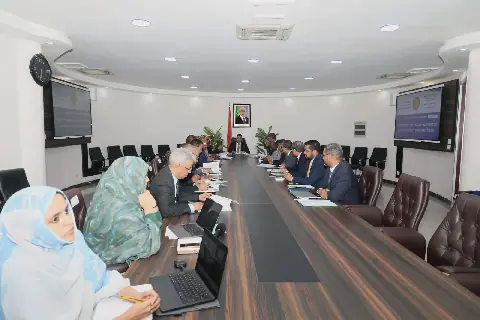
On November 5, 2023, the Supreme Court ruled that Mohamud's term had ended on May 15 and parliament's on April 14. The court ordered political leaders to agree on an electoral framework within 30 days and hold elections within 90 days. However, the government rejected the ruling and swore in a new chief justice, sparking a constitutional crisis. The opposition has accused Mohamud of attempting to consolidate power and undermine the rule of law.
Corruption is another major challenge facing Mohamud's government. Somalia scored 9 out of 100 in Transparency International's 2025 Corruption Perceptions Index, tying with South Sudan for the lowest score among 182 countries. The US State Department described corruption as rampant across all sectors of the Somali government in its 2023 Investment Climate Statement. The US suspended all aid programs that benefit the federal government, citing allegations of corruption and misuse of funds.
Mohamud's government has also faced criticism over its handling of foreign influence, particularly from Saudi Arabia. In February 2023, Somalia and Saudi Arabia signed a military cooperation agreement, sparking concerns over the country's sovereignty. The US and other international partners have expressed concerns over Saudi Arabia's growing influence in the region and its potential impact on Somalia's stability.
The dispute between Somalia and the United Arab Emirates has further complicated the country's crisis. Mohamud accused the UAE of interfering in Somalia's internal affairs, funding political divisions, and supporting armed militias. The UAE responded by condemning Somalia's "escalatory and hostile approach" and regretting Mogadishu's attempts to bring its internal power struggles into bilateral relations.
As the crises converge, Somalia's stability and security are at risk. The international community has called for calm and urged the government to prioritize dialogue and reconciliation. The country's future depends on its ability to address these challenges and find a peaceful resolution to the crisis.
Key points
- President Hassan Sheikh Mohamud's term has been extended, sparking controversy and opposition.
- Corruption is rampant in Somalia, with the country scoring 9 out of 100 in Transparency International's 2025 Corruption Perceptions Index.
- Foreign influence, particularly from Saudi Arabia and the UAE, is a major challenge facing Mohamud's government.