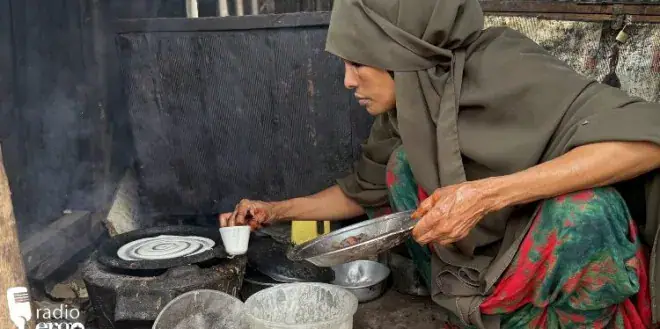
Somali refugees in Kenya's Dadaab camps are utilizing the Kenyan government's Social Health Authority (SHA) national health insurance scheme to access medical treatment they previously could not afford. Iglan Abdulle Mohamed, a 39-year-old refugee living in Hagadera camp, recently underwent gallbladder surgery at Garissa General Hospital after six years of illness. She had visited several hospitals but could not afford the $1,000 operation. Her family registered with SHA in January, paying $55 for the annual cover.
Iglan raises 10 children alone, having fled conflict in 2016 from Kismayo, where she ran a small restaurant. Before her operation, she experienced constant pain, had lost weight, and was stressed about her children's well-being, especially since seven of them were already orphans. Her children have received free treatment through SHA 10 times this year, which helps given the struggles of supporting a large family. The family receives 30kg of sorghum and maize and 17 litres of cooking oil a month, although aid was cut by half in 2025.
SHA has also helped Mohamed Abdullahi Jimale, a refugee born in Dadaab in 1993. In March, his baby was born at Hagadera General Hospital with a lump on his head, a life-threatening condition that required immediate attention. SHA enabled the baby to be transferred to Kenyatta National Hospital in Nairobi, where he underwent successful surgery costing $4,100. Mohamed had registered his four-member family with SHA in March after struggling to find treatment for his son.
Mohamed earns $88 a month working with the Danish Refugee Council (DRC) and could not have afforded the operation himself. His family no longer receives food assistance after being placed in group three under the World Food Programme's household targeting system. This category includes people working for aid organisations in roles such as cleaning, security, cooking, and support services, who are no longer eligible for food aid.
SHA was launched in 2024 to expand access to healthcare and reduce treatment costs. Eligible Kenyan citizens and refugees can register individually or as families, subject to an annual contribution and submitting recognised identification documents. An SHA programme officer at Alinjuqur private hospital in Hagadera, Hussein Abdihawid, reported that over 50,000 refugees have registered with SHA.
Despite difficulties obtaining identification documents and limited awareness of the scheme, more refugees have enrolled this year. The growing use of SHA comes as healthcare services provided by aid-funded hospitals in Dadaab's camps decline amid funding cuts. This has increased the reliance on the SHA scheme for refugees seeking medical treatment.
The impact of SHA on refugees has been significant, providing them with access to life-saving medical care. With continued support and awareness, more refugees can benefit from this scheme, improving their overall health and well-being.
Key points
- Over 50,000 refugees have registered with Kenya's Social Health Authority national health insurance scheme.
- SHA has provided life-saving medical treatment to refugees, including gallbladder surgery and treatment for a life-threatening condition in a newborn baby.
- The scheme has become increasingly important as healthcare services in Dadaab's camps decline due to funding cuts.