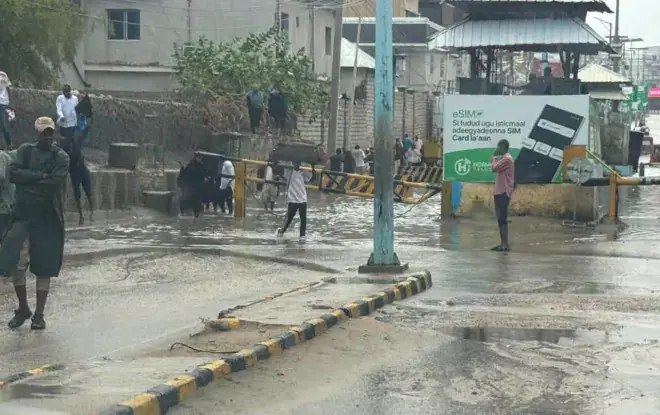
On November 20, 2026, a preacher at a mosque in Mogadishu's Bakaaraha market delivered a sermon criticizing the city's administration for neglecting road conditions. The preacher expressed concern over the poor state of roads, citing a recent trip from Mogadishu to Lambar 50 in the city's outskirts. He described encountering numerous vehicles that had overturned due to potholes and damaged roads, resulting in loss of life and property.
The preacher's sermon was emotionally charged, with eyewitnesses describing his face as red with anger. He expressed dismay that the city's administration had failed to address the issue, despite the significant revenue generated from the city. The preacher's words resonated with the congregation, who have grown tired of the government's inaction on infrastructure development.
The sermon has sparked a national conversation about the state of Somalia's infrastructure and the government's accountability. Many Somalis have expressed frustration with the government's failure to address basic needs such as road maintenance and provision of services. The preacher's criticism of the government has been seen as a bold move, with many calling for greater transparency and accountability.
The incident highlights the growing discontent among Somalis with the government's performance. The country's infrastructure has suffered from decades of conflict and neglect, with many roads, bridges, and buildings in disrepair. The preacher's sermon has tapped into this frustration, with many Somalis calling for greater action from the government.
The Mogadishu city administration has yet to respond to the preacher's criticism. However, the incident has sparked a wider conversation about the need for greater accountability and transparency in government. Many Somalis are calling for greater action from the government to address the country's infrastructure needs and provide basic services to citizens.
The preacher's sermon has also highlighted the role of mosques and other community institutions in promoting social change. The mosque where the sermon was delivered has become a hub for community activism, with many Somalis gathering to discuss issues affecting the country. The incident has sparked a wider conversation about the role of civil society in promoting social change in Somalia.
The incident has also sparked a reaction from the Somali public, with many taking to social media to express their support for the preacher and call for greater action from the government. The hashtag #SomaliaDeservesBetter has been trending on social media, with many Somalis expressing their frustration with the government's performance and calling for greater accountability.
Key points
- The preacher's sermon has sparked a national conversation about the state of Somalia's infrastructure and the government's accountability.
Reporting sources
- Khudbaddii Jimcaha: Qaylo-dhaanta dayaca hareeraha Muqdisho · Hiiraan Online