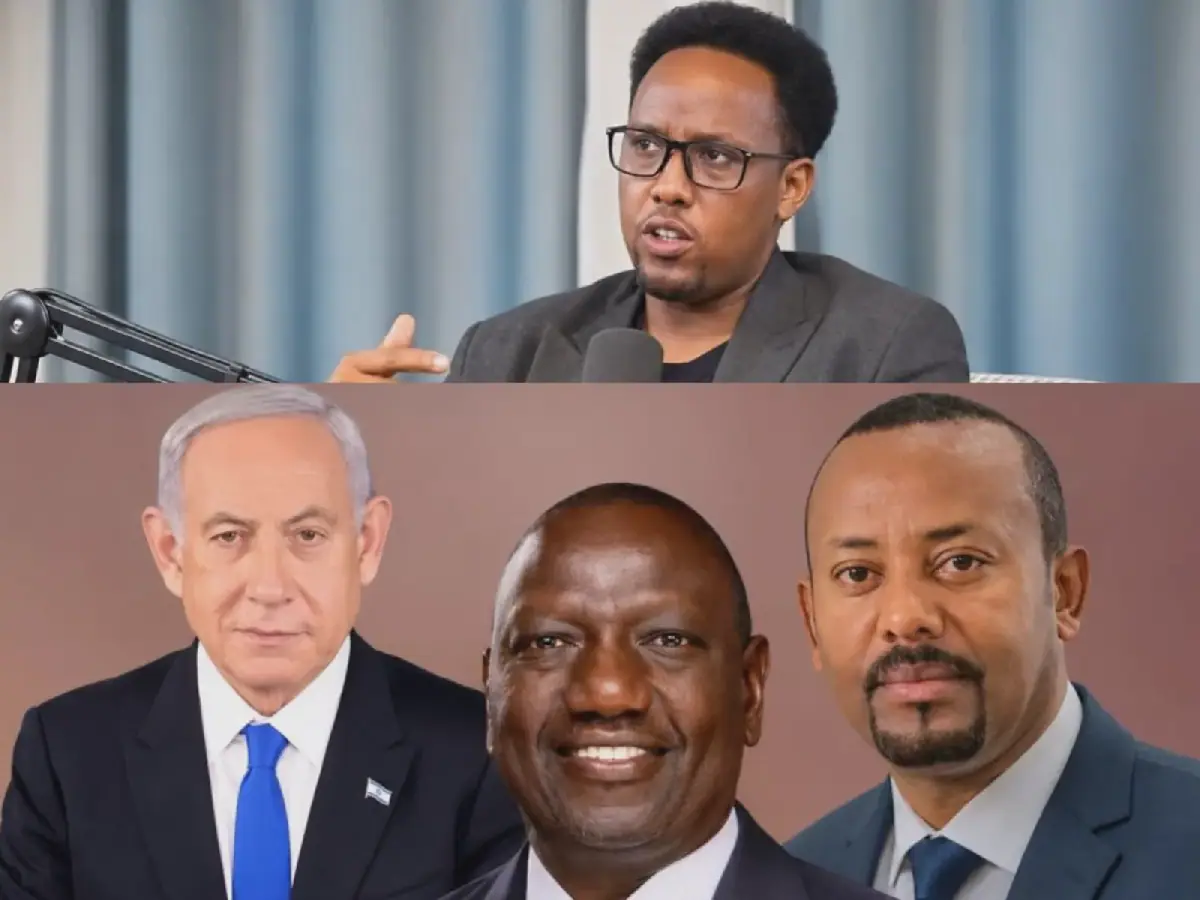
A recent op-ed article by Daahir W. Sheekh Maxamuud has called out veteran Somali journalist Geed Fadhi for allegedly breaching media ethics in his interviews with Somali politicians. The article, published on Puntland Post, criticizes Geed Fadhi for using suggestive questions that compromise the integrity of his interviews. This criticism comes after a series of interviews Geed Fadhi conducted with prominent Somali politicians, including former Foreign Minister Cabdisalaan Hadliye.
According to the op-ed article, Geed Fadhi repeatedly asked Cabdisalaan Hadliye if a secret agreement had been made between the Somali government and DP World, despite Hadliye's repeated denials. The article suggests that Geed Fadhi was aware of the sensitive nature of the information and was attempting to elicit a specific response from Hadliye. This approach has been criticized for being unprofessional and compromising the principles of journalism.
Geed Fadhi's interviewing style has been questioned before. In a recent interview with another Somali politician, he asked if Somaliland's independence was recognized by three countries, and if a fourth country was likely to follow suit. The politician expressed surprise at the question, and Geed Fadhi's assertion that Israel, Ethiopia, and Kenya had recognized Somaliland's independence was disputed. The article argues that Geed Fadhi's lack of understanding of the issue demonstrated a lack of preparation and professionalism.
The op-ed article also references a statement made by Cabdikariim Cali Kaar, a member of Geed Fadhi's team, who suggested that Mogadishu could be destroyed in a day. The article implies that such statements are not only unprofessional but also potentially inflammatory. The criticism of Geed Fadhi's journalism has sparked a debate about the role of media in Somalia and the importance of upholding media ethics.
The article argues that Geed Fadhi's actions have consequences for the Somali people, who rely on the media for accurate and unbiased information. By compromising media ethics, Geed Fadhi risks undermining the public's trust in the media and contributing to the spread of misinformation. The article concludes that Geed Fadhi must take responsibility for his actions and apologize for his breaches of media ethics.
The criticism of Geed Fadhi's journalism comes at a time when Somalia is facing significant challenges, including a fragile government and a complex security situation. The article suggests that the media has a critical role to play in promoting stability and accountability in Somalia, and that journalists must adhere to the highest standards of professionalism in order to fulfill this role.
The debate about Geed Fadhi's journalism is likely to continue, with some defending his right to ask tough questions and others arguing that he has crossed a line. Regardless of the outcome, the discussion highlights the importance of media ethics in Somalia and the need for journalists to be aware of their role in shaping public discourse.
Key points
- Journalist Geed Fadhi has been criticized for breaching media ethics in his interviews with Somali politicians.
- The criticism argues that Geed Fadhi's approach has compromised the integrity of his interviews and undermined the public's trust in the media.
- The debate highlights the importance of media ethics in Somalia and the need for journalists to adhere to the highest standards of professionalism.
Reporting sources
- Geed Fadhi Waa Inuu Dhowro Anshaxa Saxaafadda · Puntland Post