A recent attack on a Somali American Uber driver in Minnesota has left the rideshare community shaken, with many drivers considering cutting their hours or quitting their jobs altogether. The driver, 51-year-old Mohamed Yusuf, was attacked by his passenger, 25-year-old Samit Apurva Patel, on November 14. According to authorities, Patel choked Yusuf, took control of his car, and then ran him over. Yusuf continues to be hospitalized with a low chance of survival.
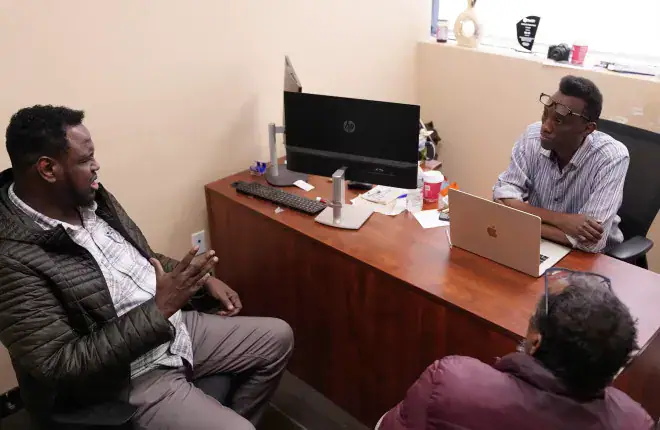
The attack has sparked fear among Minnesota's rideshare drivers, particularly those of Somali descent. Eid Ali, founder and president of the Minnesota Uber/Lyft Drivers Association, said many drivers have called him with concerns since the attack. "The drivers are fearful now," Ali said. "Some of them are even saying that it's a breaking point: 'It's time I should stop doing this because it's not safe anymore.'" Abukar Isse, a 58-year-old Uber driver, said he feels traumatized by the attack and that his kids have told him to quit his job.
The attack has also raised concerns about hate crimes and anti-Somali sentiment. Family members of Yusuf believe that Patel's attack was motivated by bias, citing an argument over Yusuf's name. However, Hennepin County Attorney Mary Moriarty said her office does not have evidence to prove beyond a reasonable doubt that bias motivated the assault. Despite this, many Somali drivers view the attack as a result of anti-Somali sentiment that has spread since politicians, including President Donald Trump, have disparaged immigrants.
The incident has highlighted years of safety concerns among rideshare drivers. Ali said that drivers have always had issues with unruly passengers, but lately, the number of encounters has been skyrocketing. Drivers are often hesitant to report incidents to Uber, fearing that it may harm their work. Ali explained that he has heard of drivers being kicked off their rideshare app after reporting disruptive passengers.
In response to the attack, Uber has emphasized its commitment to safety. The company said it has several features integrated into its app to keep drivers and passengers safe, including a "record my ride" feature and a safety incident reporting line. Drivers and riders can also call or text 911 straight from the app and share information such as GPS location directly to dispatchers.
Advocates are calling for greater support and protection for rideshare drivers. Ibrahim Nur, lead organizer for SEIU Local 26, said that politicians and influential figures should work to unify the country instead of spreading messages of divisiveness. "We are going through a tough time in our country," Nur said. "This is a time that we need to come together as a community, as a city, as a state, as a country, to unite our people and stop this hateful stuff."
The attack has also sparked discussions about unionization among rideshare drivers. Ali said that many drivers are exploring the possibility of forming a union to advocate for better working conditions and greater protection. For now, drivers are taking steps to prioritize their safety, including staying on the phone with friends or family members while working and using safety features provided by Uber.
Key points
- The attack on Mohamed Yusuf has sparked fear among Minnesota's rideshare community, with many drivers considering cutting their hours or quitting their jobs altogether.
- The incident has highlighted years of safety concerns among rideshare drivers, who often fear reporting incidents to Uber.
- Advocates are calling for greater support and protection for rideshare drivers, including unionization and greater action from politicians to address hate crimes and anti-Somali sentiment.