Nigeria's electricity market is at a critical juncture as solar mini-grids, rooftop installations, and other decentralized power solutions become increasingly popular. The growth of these alternatives presents a commercial risk to distribution companies (DisCos) as customers may remain connected to the grid while meeting their daily electricity needs through other means. This shift makes the grid a backup rather than the primary energy source for many Nigerians. The development highlights the challenges faced by DisCos in maintaining their revenue model.
The increasing adoption of solar energy in Nigeria is driven by the unreliable grid supply. According to the Nigerian Electricity Regulatory Commission (NERC), DisCos billed 5,812.31GWh of electricity to end-use customers in the second quarter of 2026, a 9.9% decrease from the same period in 2025. The decline in billed electricity is attributed to customers seeking alternative power sources, including solar systems and generators, due to persistent outages and high generator costs.
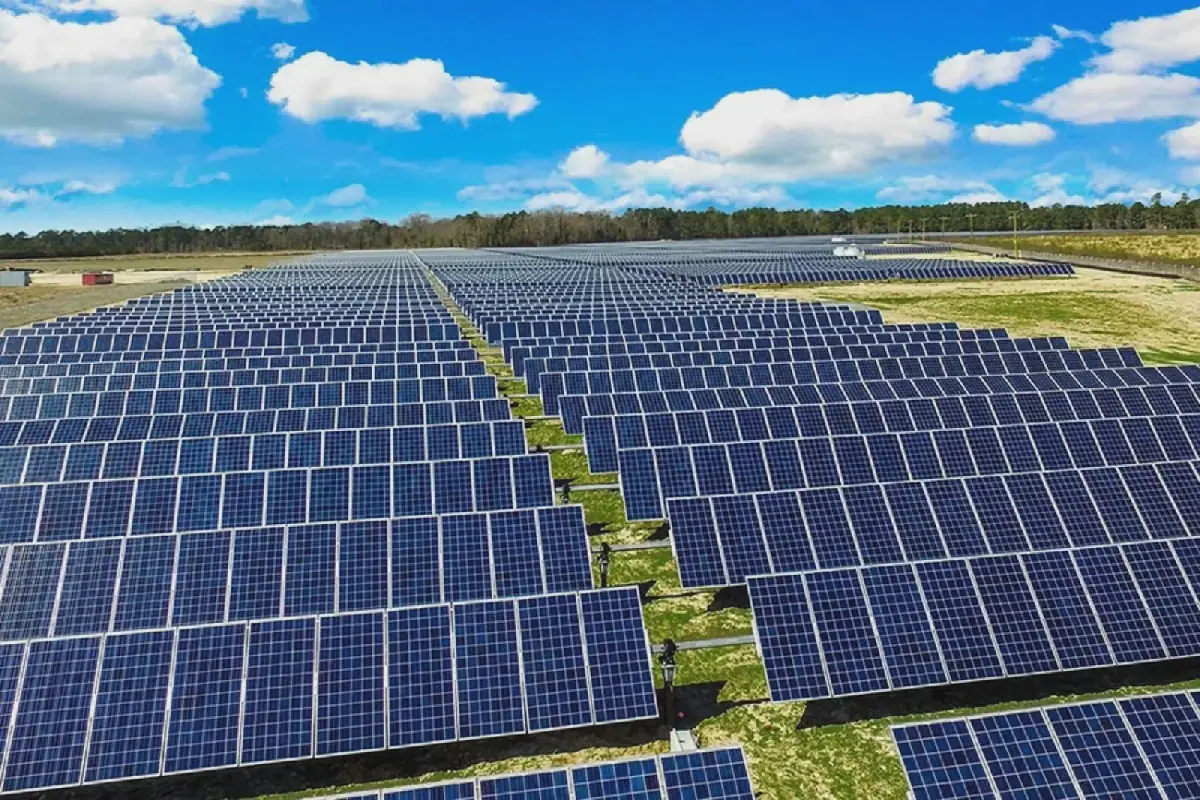
The solar energy sector in Nigeria has experienced significant growth, with 370 solar firms emerging in the past six years. The country's cumulative installed solar capacity reached 385.7 MW after adding 63.5 MW of new capacity in 2025. According to Outbrand Consulting, Nigeria could add over 550 MW of new solar capacity before 2029 under moderate growth scenarios. The International Renewable Energy Agency (IRENA) estimates that Nigeria could generate up to 210 GW of solar energy if only 1% of suitable land were used for solar infrastructure.
The Rural Electrification Agency (REA) is playing a crucial role in expanding decentralized projects to communities and businesses underserved by the national grid. In Kano State, the agency commissioned two solar mini-grids with a combined capacity of 268.4kWp, serving 2,214 connections. REA's Managing Director, Abba Aliyu, emphasized that reliable electricity would support homes and businesses, enabling them to engage in various economic activities.
Consumers are seeking alternative power sources due to the unreliable grid supply. Olaosebikan Solomon, a resident of Ejigbo, Lagos State, stated that his prepaid credit lasts longer because electricity is unavailable for extended periods. Many consumers are spending more on petrol for generators or considering solar installations. However, the shift to solar remains costly, with panels, inverters, and batteries requiring substantial upfront investment.
The growth of the solar energy sector in Nigeria is expected to continue, driven by rising demand and government support. The country is projected to add 1.7GW of solar capacity by the end of 2026, nearly 40% of the current grid supply. Market indicators point to increasing demand, with Nigeria's solar-energy-kit sales in the first half of 2025 being 33% higher than in the same period of 2024.
The REA is expanding its projects through the Nigeria Electrification Project, which has signed about 380 grant agreements and commissioned over 150 hybrid solar mini-grids. The agency has deployed approximately 1.45 million solar home systems and aims to support 1,350 mini-grids, providing new electricity access to about 17.5 million Nigerians through the $750 million Distributed Access through Renewable Energy Scale-up (DARES) programme.
Key points
- Solar energy accounts for only 1.6% of Nigeria's total energy mix, highlighting the untapped potential.
- Nigeria's yearly spending on generator fuel is estimated to be around $14 billion, making solar attractive despite its high initial cost.
- The country's cumulative installed solar capacity reached 385.7 MW after adding 63.5 MW of new capacity in 2025.