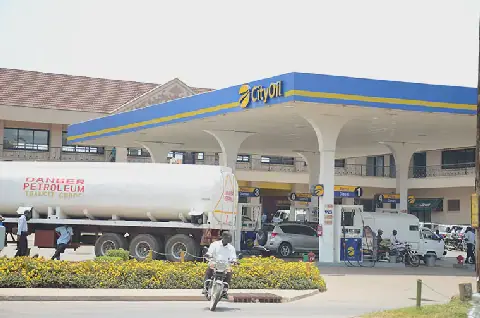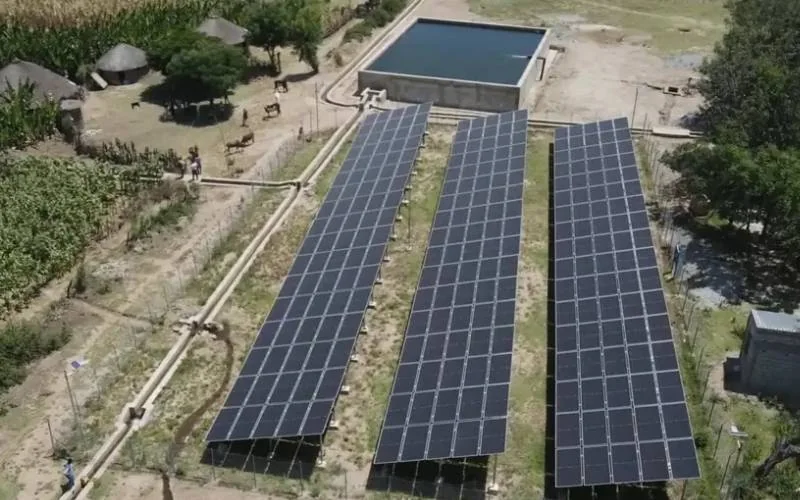
Renewable electricity is rapidly outpacing fossil fuels across emerging markets, driven primarily by solar power. This shift is prompting fast grid expansion and reducing power costs for households and industry. Countries in Southeast Asia and Sub-Saharan Africa are prioritizing renewable electricity over new fossil-fuel projects. This trend is reflected in recent capacity additions, with solar and wind dominating almost all new power-generation capacity.
The cost of solar generation has fallen significantly, making it frequently cheaper than fossil-fuel electricity. Additionally, solar farms can be built faster and with lower upfront investment than coal or gas plants. This has made solar installations a clear financial choice for businesses, with payback periods as short as two years. According to project manager Joel Nana of Sustainable Energy Africa, this financial viability is driving the adoption of solar power.
Emerging economies are benefiting from limited legacy fossil-fuel infrastructure, allowing for a quicker rollout of renewable grids compared to wealthier nations. Energy strategist Kingsmill Bond of Ember describes this phenomenon as a "leapfrog" where Asia electrifies rapidly while Europe and the United States see slower growth. In Sub-Saharan Africa, nations such as Kenya, Ethiopia, and Namibia are expanding solar capacity to meet the needs of a young, growing population.
Despite the progress, many rural areas in Sub-Saharan Africa remain off-grid. However, data compiled by African Tech Futures Lab and Ember estimate that around 100,000 solar panels were installed across Africa each day in 2026, a 45 percent increase over the previous year. This rapid growth is driven by the need for electricity to power homes, businesses, and industries.
In countries like India and Vietnam, solar power has become a significant contributor to the electricity mix. Solar alone accounts for at least six percent of India's electricity mix and ten percent in Vietnam in 2023. This trend is expected to continue, with solar power playing a crucial role in meeting the growing electricity demands of emerging economies.
The rapid adoption of solar power is also driven by the need to address the growing population's energy needs. In Sub-Saharan Africa, the population is expected to continue growing, putting a strain on the existing energy infrastructure. The adoption of solar power is helping to address this challenge, providing a reliable and sustainable source of electricity.
As the world continues to transition towards renewable energy, emerging economies are leading the way. With the cost of solar power continuing to fall, it is expected that more countries will adopt solar power as a significant contributor to their electricity mix. This trend is expected to have a positive impact on the environment, reducing greenhouse gas emissions and mitigating the impacts of climate change.
Key points
- Solar power accounts for at least 6% of India's electricity mix and 10% in Vietnam.
- Around 100,000 solar panels were installed across Africa each day in 2026.
- Solar generation is frequently cheaper than fossil-fuel electricity.