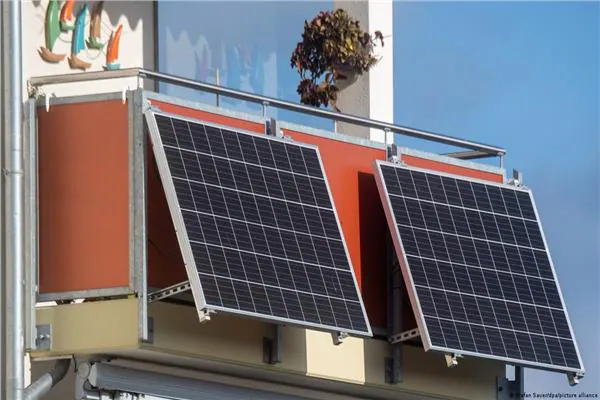
Homes in the United States are adopting plug-in solar energy systems, offering a low-cost alternative for generating electricity. These systems, consisting of small solar panels and an inverter, can be easily installed in balconies, gardens, or outdoor areas. They provide a portion of a home's electricity needs, reducing reliance on the grid. This technology is gaining traction, particularly in Utah, where it was first approved in spring 2025.
The systems comprise one to three solar panels and an inverter that converts DC power to AC, compatible with household appliances. When installed correctly, they can power devices like laptops, lighting, and refrigerators. According to Jennifer Eiden from Utah Clean Energy, these systems can cover 10-30% of a home's electricity consumption, depending on installation conditions and energy usage. This technology is popular in Europe, with over a million units installed in Germany in recent years.
Several US states have followed Utah's lead in approving legislation for plug-in solar systems, including Colorado, Connecticut, Maine, Maryland, New Hampshire, New Jersey, Vermont, Virginia, and California. These laws aim to simplify regulations and provide a framework for individuals to generate their own electricity. The growing interest in clean energy solutions has sparked a surge in demand for these systems.
The cost-effectiveness of plug-in solar systems is a significant factor in their adoption. According to Joshua Pierce, an electrical engineer, widespread adoption could lead to substantial annual savings on electricity bills. The amount of savings varies depending on local electricity prices, the number and efficiency of panels, installation location, and energy consumption during production hours.
Unlike traditional solar systems that require complex installations on rooftops, plug-in systems are smaller, more portable, and less expensive. This makes them accessible to a broader range of consumers, including renters who cannot install permanent solar panels on building rooftops. The systems can be used in various settings, providing an opportunity for individuals to contribute to renewable energy production.
The National Geographic reports that a home in a Salt Lake City suburb has successfully implemented a plug-in solar system. The system, consisting of three small solar panels connected to a nearby electrical outlet, generates enough electricity to power several household appliances. This example demonstrates the potential for plug-in solar systems to support a sustainable and environmentally friendly energy future.
As the demand for clean energy solutions continues to grow, the popularity of plug-in solar systems is expected to increase. With decreasing product prices and expanding legislation, these systems are likely to become more widespread in the US and other markets. This shift towards renewable energy sources can lead to reduced electricity costs and a more sustainable future.
Key points
- US homes adopt plug-in solar systems for lower electricity costs and reduced reliance on the grid.
- Several US states have approved legislation for plug-in solar systems, simplifying regulations and providing a framework for individuals to generate their own electricity.
- The cost-effectiveness and accessibility of plug-in solar systems make them an attractive option for a broader range of consumers.