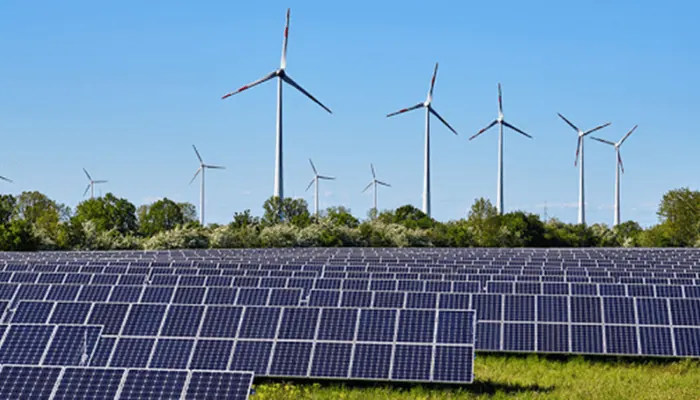
Solad Power is expanding its Solar Home Systems programme in Nigeria, aiming to increase access to reliable electricity in underserved communities. The company has already deployed over 1,800 Solar Home Systems across five Nigerian states, with plans to roll out an additional 4,000 systems. This programme is part of Solad's strategy to deliver decentralised energy solutions at multiple levels, from individual homes to commercial and industrial installations.
The Solar Home Systems programme is being implemented in partnership with the Rural Electrification Agency and the World Bank-supported Distributed Access through Renewable Energy Scale-Up (DARES) programme. DARES is one of Africa's most ambitious programmes aimed at accelerating renewable electricity access through solar-hybrid mini-grids and standalone solar systems. Solad's programme is designed to support Nigeria's ambition to widen reliable electricity access and promote economic empowerment.
According to Yewande Olagbende, CEO of Solad's Nigerian businesses, the programme is crucial for addressing Nigeria's energy-access challenge. She emphasised that a single technology or infrastructure cannot solve the challenge, and solutions are needed at every level, from large power infrastructure to mini-grids and individual solar systems. Solar Home Systems are particularly important as they can be deployed quickly and directly into communities where conventional grid expansion may take many years.
Solad's latest deployment builds on its long-standing involvement in Nigeria's distributed energy sector. The company has developed and operated energy infrastructure serving businesses and communities across Nigeria and has previously participated in programmes administered by the Rural Electrification Agency under the Nigeria Electrification Project. Solad's portfolio spans Solar Home Systems, mini-grids, commercial and industrial solar, battery storage, and decentralised energy infrastructure.
The company's experience demonstrates the vital role indigenous private-sector developers can play in translating national energy-access policy and development finance into operating infrastructure on the ground. Solad presents its Solar Home Systems programme as a platform for local enterprise growth, job creation, and long-term customer support. The programme aims to create additional working hours, reduce dependence on expensive generators, and give entrepreneurs a more reliable foundation for their businesses.
Constantine 'Labi Ogunbiyi, chairman and Co-Founder of Solad Power Group, highlighted the importance of combining public policy, development capital, and private-sector execution to build a scalable decentralised energy market. He emphasised that Africa's energy transition will ultimately be judged by what gets built and the economic activity that infrastructure enables. Solad's focus is on execution, deploying more systems, expanding its operating footprint, and demonstrating that African renewable energy businesses can build commercially sustainable platforms.
Femi Akinyelure, Head of the Nigeria Electrification Programme at the Rural Electrification Agency, noted that the DARES programme is designed to significantly expand access to reliable and sustainable electricity by creating conditions for distributed renewable energy solutions to be deployed at scale. The programme aims to ensure that expanded electricity access supports livelihoods, productive economic activity, and improved quality of life for Nigerians. Solad's Solar Home Systems programme is a key component of this effort, and the company is committed to delivering meaningful social and economic impact.
Key points
- Solad Power has deployed over 1,800 Solar Home Systems across five Nigerian states, with plans to roll out an additional 4,000 systems.
- The programme is part of Solad's strategy to deliver decentralised energy solutions at multiple levels, from individual homes to commercial and industrial installations.
- Solad's experience demonstrates the vital role indigenous private-sector developers can play in translating national energy-access policy and development finance into operating infrastructure on the ground.