Socovia, a company at the center of the foot-and-mouth disease outbreak in Mauritius, has denied any responsibility for the recent epidemic. In a statement released on November 25, the company claimed that the animal believed to have transmitted the disease to a local farm came from a shipment of cattle imported from Kenya, not Namibia as some have suggested. This statement comes amid growing concerns over the outbreak, which was first detected on November 17.
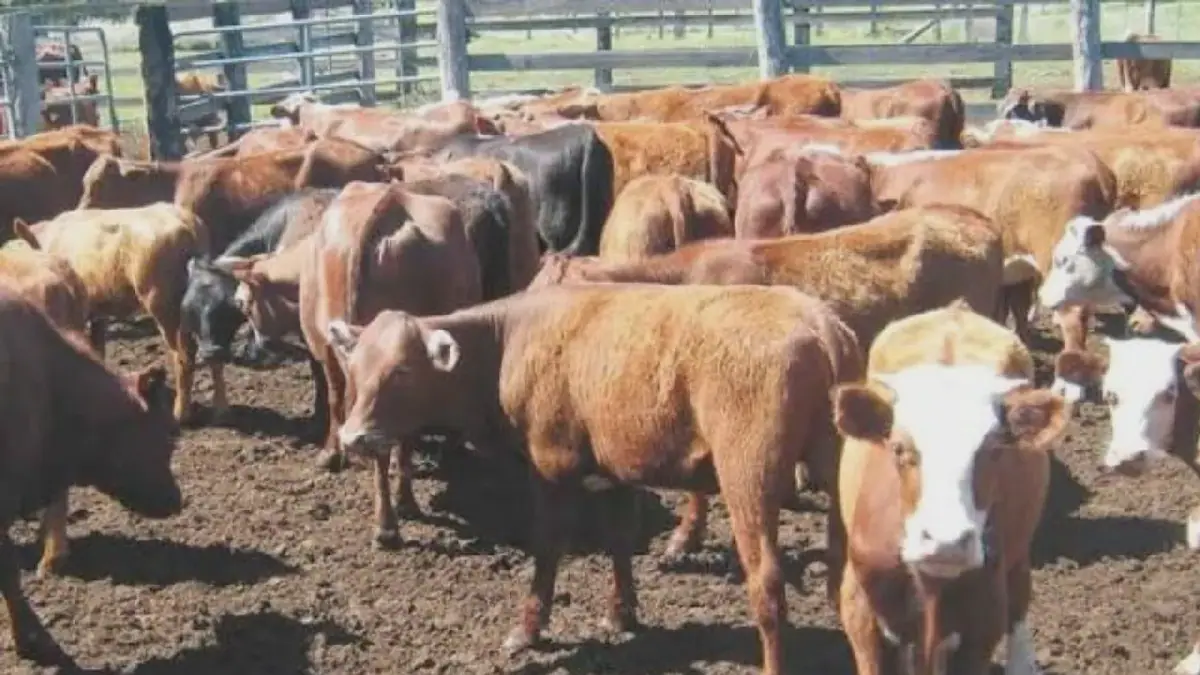
According to Socovia, the Mauritian veterinary services inspected its facilities after the first case was detected and found no evidence of foot-and-mouth disease. The company also provided details about its recent importation of over 6,200 animals from Namibia, which arrived on November 23. This shipment included more than 3,500 sheep and goats, as well as approximately 2,800 cattle. Socovia emphasized that this importation took place six days after the disease was first detected in Mauritius.
Socovia obtained all necessary import permits from Mauritian authorities after the resumption of imports from Namibia, which was authorized on October 26 under certain sanitary conditions. The company asserted that it did not receive any exemptions or special treatment from the veterinary requirements imposed by both countries. Furthermore, Socovia denied any allegations of favoritism or intervention by the Minister of Agro-industry or other officials in its import activities.
The company claimed to have followed all sanitary procedures, including veterinary examinations, laboratory tests, vaccinations, and a quarantine period of over 21 days before export. Socovia stated that it possesses all documents confirming its compliance with these regulations. Despite this, the company believes that the accusations have severely damaged its reputation and commercial interests.
Socovia reserves the right to pursue legal action against those it claims are spreading unfounded information. The company is calling for the origin of the epidemic to be established based on scientific evidence and the conclusions of competent authorities. This development highlights the complexities and challenges of managing animal health and disease outbreaks in a globalized trade environment.
The foot-and-mouth disease outbreak in Mauritius has raised concerns about the country's animal health and the potential economic impacts on its agricultural sector. The Mauritian government and international organizations are likely to be involved in investigating the outbreak and implementing measures to control its spread.
As the situation unfolds, Socovia's denial of responsibility and threat of legal action against its accusers add another layer of complexity to the crisis. The company's actions and statements will likely be closely monitored by stakeholders, including animal health experts, government officials, and the general public.
Key points
- Socovia denies responsibility for the foot-and-mouth disease outbreak in Mauritius, citing evidence that the infected animal came from a Kenyan shipment.
- The company threatens legal action against those spreading what it claims are unfounded rumors about its role in the outbreak.
- Socovia emphasizes its compliance with all relevant sanitary and veterinary regulations regarding its recent importation of animals from Namibia.
Reporting sources
- Fièvre aphteuse : Socovia rejette toute responsabilité · Le Défi Plus