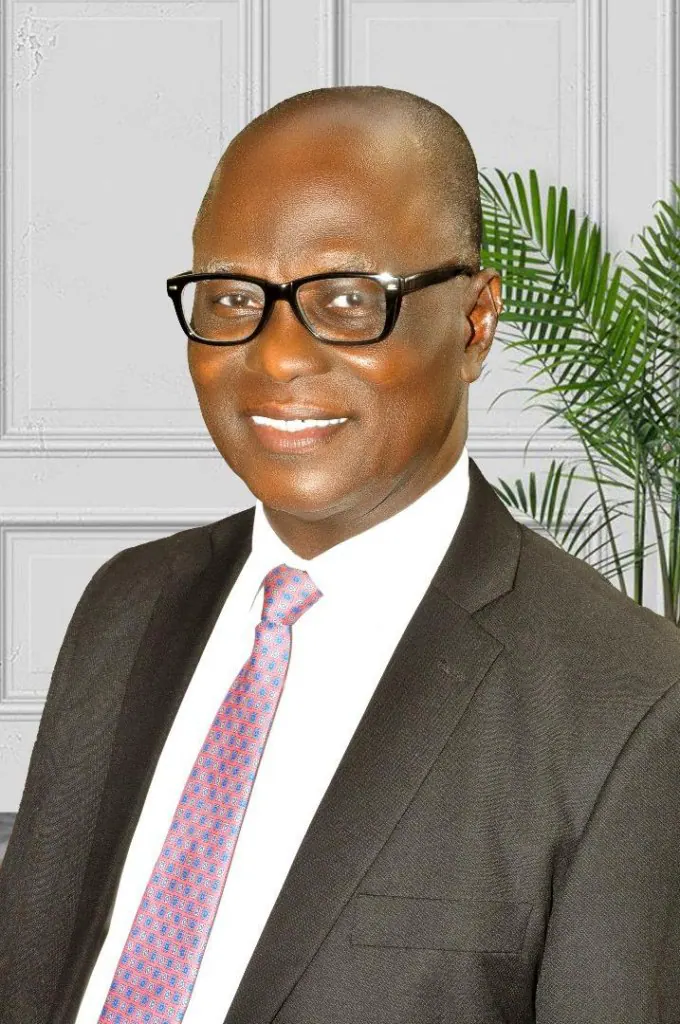
Prof. Kofi Osei Akuoko, a renowned sociologist, has warned that Ghana's public service is quietly losing its ability to cope with the demands placed on it. He made this statement at the 10th Annual Ghana Sociological and Anthropological Association Conference at the University of Cape Coast. According to Prof. Akuoko, the country's public institutions are facing a crisis of mismatch, where the demands on them are expanding even as their capacity to absorb that pressure shrinks.
Prof. Akuoko identified the politicisation of appointments, recruitment, promotions, and transfers as a central factor in the erosion of institutional performance. He noted that changes in government have repeatedly been followed by transfers, reassignments, and the effective removal of career officers seen as aligned with the previous administration. This pattern, he warned, risks teaching young officers that political connections matter more than competence for career advancement.
The sociologist also flagged the steady departure of skilled professionals from the public service to the private sector, international organisations, and jobs overseas. He noted that the problem goes beyond the well-documented exit of doctors, nurses, engineers, and IT specialists, and that those most likely to leave tend to be the very people with the skills and mobility to find alternatives elsewhere. This has left public institutions with a narrower talent pool even as the complexity of their work grows.
Ghana's debt restructuring and its IMF-supported programme have placed sustained pressure on the public-sector wage bill, according to Prof. Akuoko. He cautioned that wage compression and recruitment freezes tend to hit new entrants and middle-grade officers hardest, threatening the layer of staff needed to pass institutional knowledge from experienced officers to younger recruits.
The consequences of a declining public service capacity will be felt by ordinary citizens, particularly in areas such as healthcare delivery, education, and land administration. Prof. Akuoko called for open, competitive recruitment, protection of career professionals from arbitrary political transfers, and genuine merit-based advancement. He described politicisation, talent loss, fiscal pressure, digitalisation, decentralisation, youth expectations, and public trust as interconnected problems requiring a single, coordinated reform effort.
Prof. Akuoko noted that Ghana's public service has rebuilt its capacity before and that doing so again would require deliberate reforms grounded in the country's social and institutional realities. He emphasised that the problems facing the public service are complex and multifaceted, and that a piecemeal approach to reform will not be effective.
No government response to Prof. Akuoko's remarks has been reported, and no timeline for any reform process has been given. The sociologist's warning highlights the need for urgent attention to the challenges facing Ghana's public service, and for a coordinated effort to address the interconnected problems of politicisation, talent loss, and fiscal pressure.
Key points
- Prof. Kofi Osei Akuoko warns that Ghana's public service is facing a crisis of mismatch, with increasing demands and shrinking capacity.
- The sociologist identifies politicisation, talent loss, and fiscal pressure as key factors contributing to the decline of Ghana's public service.
- Prof. Akuoko calls for open, competitive recruitment, protection of career professionals, and genuine merit-based advancement to address the challenges facing the public service.