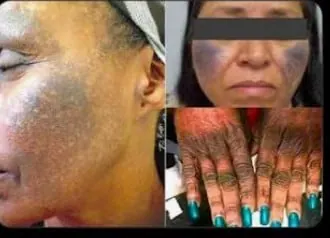
A new breed of skincare entrepreneurs has emerged in Nigeria, leveraging social media platforms like Instagram, TikTok, and WhatsApp to sell homemade skin-lightening products. These products, often marketed as organic and natural, contain hazardous ingredients that can cause serious health problems. The trend has become a public health concern, with many buyers unaware of the risks associated with these products. According to the National Agency for Food and Drug Administration and Control (NAFDAC), some products carry hydroquinone and kojic acid above permissible limits, posing risks of skin cancer, liver, and kidney damage.
The skincare products often rely on a small set of dangerous ingredients, including inorganic mercury, hydroquinone, and corticosteroids. Inorganic mercury in creams and soaps can cause kidney damage, rashes, scarring, lower skin resistance to infection, anxiety, depression, psychosis, and nerve damage. The health effects of these products are serious and long-lasting, with some users experiencing irreversible damage. Despite the risks, social media influencers and celebrities continue to promote these products, often labeling them as organic lighteners, toners, acne erasers, and fading gels.
The trend has evolved beyond creams, with bleaching now available in various forms, including glutathione drips, pills, injections, and skin-lightening baths. The "organic skincare" trend has also emerged, attempting to cover bleaching with a deceptive label. Underlying this trend is colorism, the belief that lighter skin is better, which social media amplifies. The Ministry of Health's cosmetics safety program found that 52% of manufacturers add skin-lightening agents to their products, despite regulations prohibiting the use of certain ingredients.
Nigeria has regulations in place, including the 2019 Cosmetic Products (Prohibition of Bleaching Agents) Regulations, which ban mercury and cap hydroquinone at 2%. However, enforcement struggles to keep up with the influx of unregistered products. NAFDAC says most ingredients are smuggled into the country and unregistered, and the agency is pursuing online sellers. Recently, NAFDAC seized unregistered beauty items worth over ₦170 million from Abuja stores.
An investigation found that some NAFDAC officers lack handheld XRF scanners to test for mercury at ports, making it difficult for the agency to regulate the products effectively. The agency relies on raids after products have already entered the market. Small manufacturers say registration costs time and money, making it difficult for them to comply with regulations. This has created a gap in the market, allowing unscrupulous sellers to thrive.
To address the issue, experts recommend regulating online sales, holding platforms and influencers accountable for promoting unregistered products, and equipping enforcement agencies with the necessary tools. Providing XRF testing at entry points and regular testing of market products can also help. Additionally, making compliance easier for small manufacturers and educating consumers about the risks associated with these products can help mitigate the problem.
Consumers are advised to check for a NAFDAC number, avoid products with no ingredient list, and consult a dermatologist for skin problems. By taking these steps, Nigeria can begin to address the public health hazard posed by the skincare trend. According to Mustapha Bature Sallama, a medical/science communicator, regulating online sales and educating consumers are crucial to preventing the harm caused by these products.
Key points
- Social media platforms are being used to sell unregulated, skin-lightening products containing hazardous ingredients.
- The products pose serious health risks, including skin cancer, liver, and kidney damage.
- Experts recommend regulating online sales, equipping enforcement agencies, and educating consumers to address the issue.