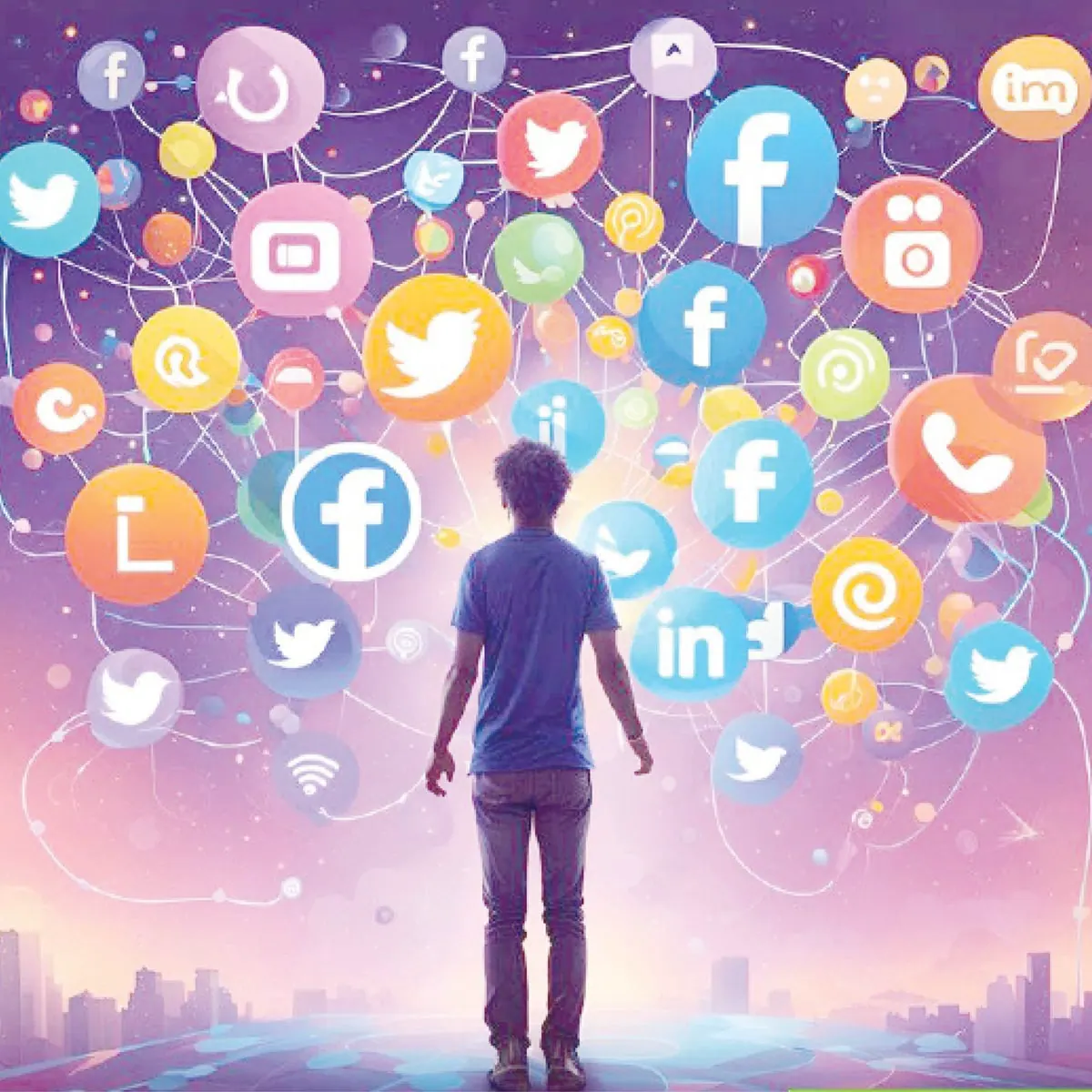
The social media landscape has revolutionized global connectivity, fostering digital innovations, social relations, and economic growth. However, its effects on individuals and communities are multifaceted, with both merits and demerits. To understand its impact, Nigerians who use social media for personal and business purposes shared their experiences. They highlighted the platform's role in connecting people worldwide, facilitating communication, and providing opportunities for community building and skill acquisition.
According to Olawale Omotolani, social media helps people stay connected with loved ones and find supportive communities. However, excessive use can lead to isolation, and comparing one's life to others' online posts can foster feelings of inadequacy. Esther Godwin noted that social media has changed how people interact, increasing awareness of global events and providing a platform for self-expression. While it can sometimes lead to feelings of isolation, she believes it has generally made people more connected.
The merits of social media that promote connectivity and productivity include local and global connectivity, social connection, information dissemination, business opportunities, and community building. On the other hand, its demerits include privacy concerns, misinformation, mental health impacts, cyberbullying, and digital addiction. The effects of social media on mental health are a significant concern, with constant social comparison, algorithmically curated feeds, and notifications leading to a state of continuous partial attention.
Rebecca Jesutofunmi believes that social media has made people more connected, but its impact depends on how individuals use it. If used to facilitate meaningful interactions and connections, it can be beneficial. However, if used solely for comparison and scrolling, it can lead to isolation. Stephen Brown, a promoter and content creator, noted that social media helps him connect with new people and build opportunities, but it can also cause isolation if people prioritize online interactions over physical connections.
An article on eduedge.blog highlighted the trade-offs of social media, which can democratize information and foster global connections while risking user privacy and mental well-being. The article cautioned that understanding these complexities is essential for maintaining digital productivity and psychological health. It advised a strategic approach to digital engagement, emphasizing intentional digital minimalism and active curation of one's online environment.
Nigerians continue to discuss the impact of social media on their lives. Hassan Omolayo believes that social media has made communication faster and easier, helping people maintain relationships and build new connections. Rokeeb Ayobami noted that while social media has connected people, especially those far apart, it can also lead to feelings of isolation due to excessive online engagement and comparison.
Joseph Wisdom uses social media to connect with others, learn, and discover useful information. While it can sometimes make him feel isolated, he believes its benefits outweigh its drawbacks. The impact of social media on children and the approaches of technology companies and founders are also being examined. A February 2026 article revealed that tech billionaires are shielding their children from the products that made them rich, highlighting concerns about the effects of social media on younger demographics.
Key points
- Social media's impact on mental health and relationships is a significant concern.
- The platform's effects on children and the approaches of technology companies and founders are being examined.
- Intentional digital minimalism and active curation of one's online environment can help mitigate the negative effects of social media.