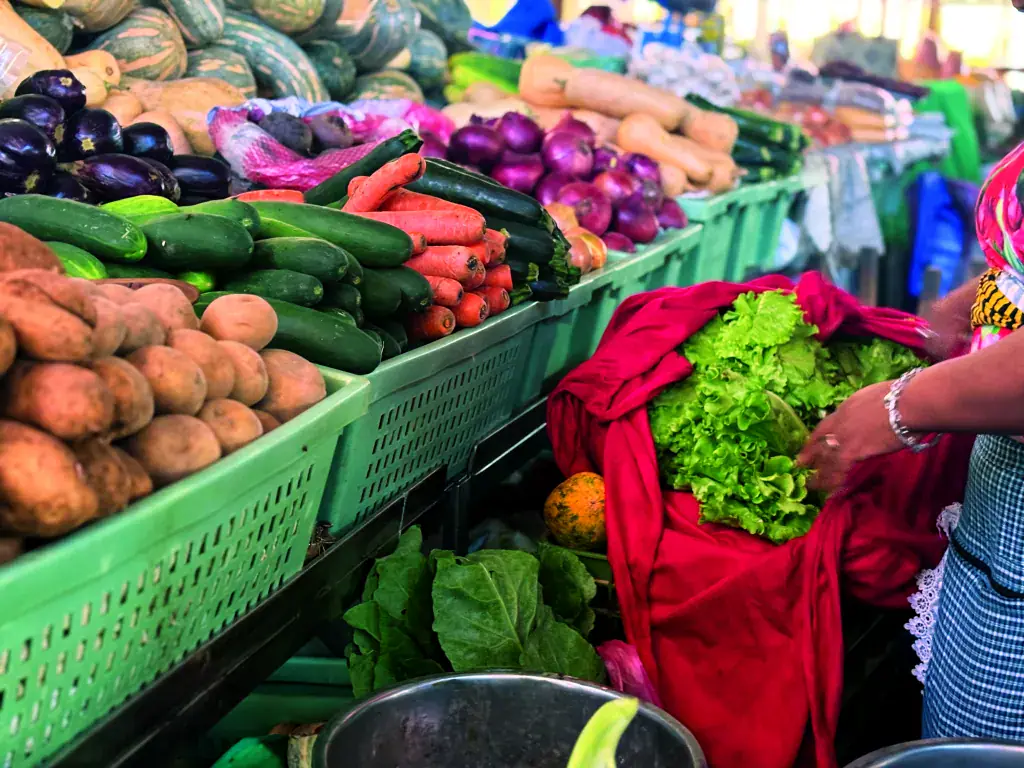
The Plateau market in Cabo Verde has seen a significant increase in vegetable prices, leaving consumers struggling to afford basic necessities. Tomatoes, a staple ingredient, now cost 800 escudos per kilogram, while mandioca costs 350 escudos per kilogram. This surge has led to concerns among consumers, who claim that prices have risen excessively in recent months. Maria, a frequent market-goer, expressed her frustration, recalling that she once bought tomatoes for as low as 50 escudos per kilogram.
According to Benjamim Mendes, president of the Agri Várzea Nova association in Ribeira dos Picos, the main factors contributing to the price hike are climate change, labor shortages, and limited access to water for agriculture. The lack of workers has hindered land preparation and planting, even when farmers have the means to produce. Mendes emphasized the need for greater mobilization to address these issues, particularly the scarcity of water for agricultural purposes. He also noted that the prices practiced in the market do not always reflect the values received by producers.
The recent rainfall in October brought some relief to farmers, as it helped to wash away impurities and reduce soil salinity. However, Mendes believes that this precipitation will not be enough to significantly lower prices, primarily due to the ongoing labor shortage. He stressed that if it rains again, prices might decrease, but not substantially, as there are people with land and a willingness to work, but a lack of available labor.
The issue of high vegetable prices is not unique to Ribeira dos Picos, as similar challenges are faced in Colonato, in the Tarrafal de Santiago. João José Oliveira, president of the Association of Farmers and Breeders of Colonato, cited the scarcity of water, labor shortages, and increased production costs as major concerns. He explained that the lack of water, particularly during certain periods of the year, compromises production and leads to higher prices in the market.
Oliveira highlighted the need for investments in water retention infrastructure, such as dikes and banquettes, to mitigate the effects of drought. He also emphasized the importance of addressing the issue of energy dependence, as frequent power outages and high energy costs exacerbate the challenges faced by farmers. Furthermore, Oliveira pointed to the problem of pests and invasive plants, which affect crops and hinder production.
The president of the Association of Farmers and Breeders of Colonato also drew attention to the issue of theft in agricultural fields, which can lead to significant losses for farmers. He argued that the lack of effective protection and justice for producers has led some to consider taking matters into their own hands. In some cases, this has resulted in farmers abandoning their land due to the risks and difficulties associated with farming.
To address these challenges, both Mendes and Oliveira stressed the need for greater collaboration between farmers and the government to find solutions that can increase production and alleviate price pressures. This includes investing in renewable energy, improving access to water, and addressing labor shortages. By working together, farmers and authorities can help stabilize vegetable prices and ensure a more sustainable food supply for the community.
Key points
- The surge in vegetable prices in Cabo Verde's Plateau market is attributed to factors such as climate change, labor shortages, and limited access to water for agriculture.