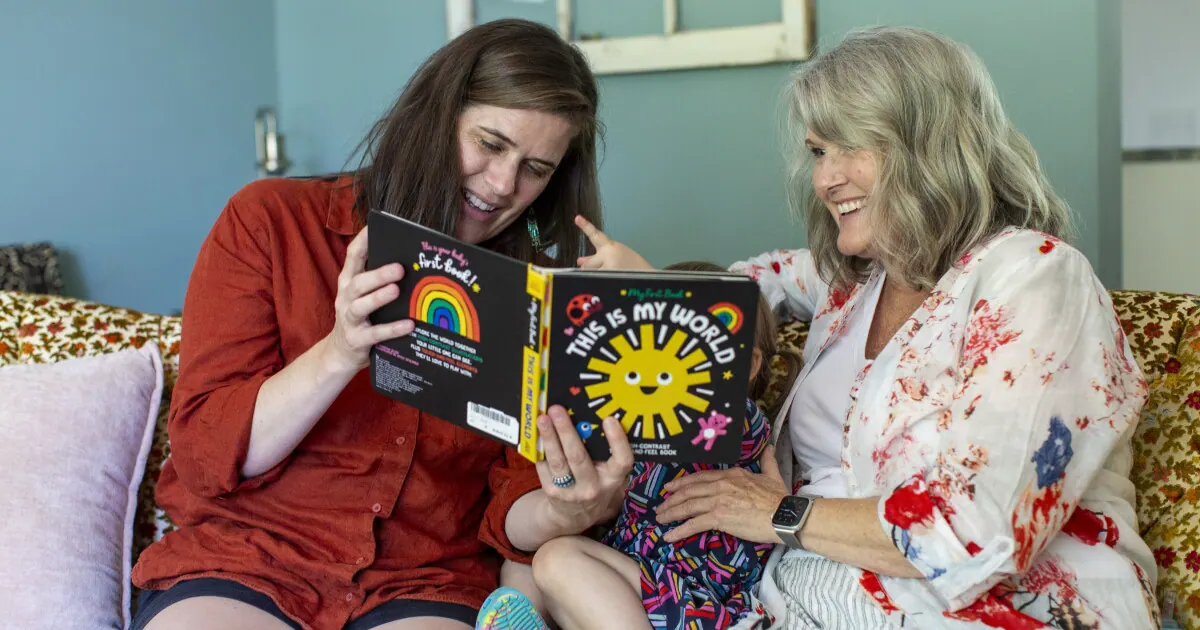
The rising cost of childcare in the US is forcing many families to seek help from grandparents. According to Child Care Aware of America, the average annual cost of childcare for children under 5 in 2025 was $13,184. For some families, this expense rivals the cost of rent or college tuition. As a result, grandparents are increasingly being called upon to provide childcare. Stacia Bourne, a University of Delaware psychology professor, and her husband were considering having a second child but were deterred by the high cost of childcare for their first child, George.
Grandparents are filling the gaps in childcare, with many relocating or adjusting their lives to provide care. Mary Jo Galusha, 67, retired from her job as a schoolteacher and moved from Idaho to Delaware to care for her grandchild, Robin. Galusha now spends around 30 hours a week caring for Robin, allowing her parents to work. This trend is not new, but the surging cost of childcare has made familial support critical for many parents. Nicole Jorwic, chief program officer at Caring Across Generations, notes that grandparents are stepping in due to the lack of affordable and reliable childcare infrastructure.
The need for childcare is growing due to various factors, including the increasing number of households with two working parents. According to Pew Research Center, 52% of different-sex couples with kids had two parents working full-time jobs in 2025, up from 31% in 1975. Additionally, the number of single mothers has steadily increased, and families with children with disabilities often struggle to find suitable childcare. Madonna Harrington Meyer, a Syracuse University sociology professor, notes that these factors contribute to the growing reliance on grandparents for childcare.
Many grandparents are happy to provide care, citing the joy of spending time with their grandkids. Jerry Larkin, 66, moved in with his daughter's family in Tulsa, Oklahoma, to care for his twin grandsons, one of whom requires additional medical care. Larkin notes that he used to think he was alone in devoting time to caregiving but has since connected with others who share similar experiences. AARP reports that the top reasons grandparents provide care are that the children's parents are working or busy, and it allows them to spend quality time with their grandkids.
Grandparents provide a significant amount of care, with the median amount of time spent caring for grandchildren being 200 hours per year. AARP estimates that grandparents provide around $731 billion worth of unpaid caregiving annually. Harrington Meyer notes that parents often prefer grandparents as caregivers due to shared parenting philosophies and flexibility. Grandparents can also benefit from caregiving, with studies showing a mental boost and higher scores on memory and verbal fluency tests.
However, caregiving can be a sacrifice for grandparents, particularly those who have raised their own children and may be dealing with health issues. Watching grandchildren can take a physical toll and impinge on social lives, especially if grandparents have relocated to be closer to their grandkids. Yalanda Lattimore, 59, provides "granny daycare" one and a half days a week for her 1-year-old granddaughter, Mavee, which has required her to adjust her career and personal life.
The reliance on grandparents for childcare highlights the need for a more comprehensive childcare system. Critics argue that expecting grandparents to provide care for free is not a viable solution, as many older people need care themselves and it does not address the underlying lack of government investment in childcare. As the cost of childcare continues to rise, families will likely continue to rely on grandparents and other informal caregivers to fill the gaps.
Key points
- The average annual cost of childcare for children under 5 in the US was $13,184 in 2025.
- 52% of different-sex couples with kids had two parents working full-time jobs in 2025, up from 31% in 1975.
- Grandparents provide around $731 billion worth of unpaid caregiving annually.