Residents of Al-Salihah, a suburb in southern Khartoum, Sudan, are facing severe economic hardship. The area is experiencing a sharp increase in food prices, frequent power outages, and a shortage of cash. These challenges have made daily life increasingly difficult for the residents. The situation is further complicated by the instability of electronic payment systems.
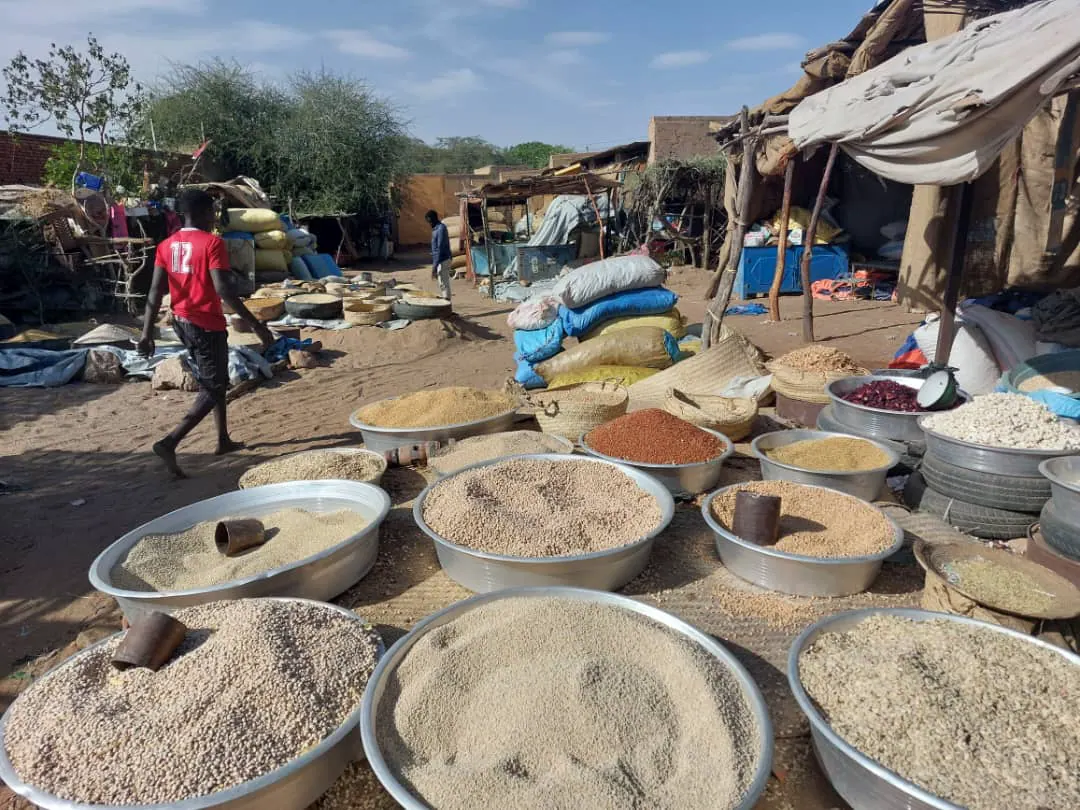
The rising dollar has directly impacted the prices of essential goods. The cost of a kilogram of sugar has surged to around 10,000 Sudanese pounds, up from 3,000 to 6,000 pounds previously. Similarly, the price of a kilogram of flour has reached 7,000 pounds, while rice, pasta, and beans now cost 15,000, 10,000, and 15,000 pounds, respectively. These price hikes have made it difficult for residents to afford basic necessities.
The scarcity of cash and the malfunctioning of electronic payment systems have added to the residents' woes. Many rely on the "Bankak" application for financial transactions, but it is often slow and unreliable. This has made even simple purchases a time-consuming and frustrating process. The lack of cash has also limited the ability of residents to buy essential goods.
The power outages in Al-Salihah are a daily occurrence, lasting up to eight hours. This disrupts essential services such as water supply and cooking. Many residents depend on electric water heaters and gas stoves, which become unusable during power outages. As a result, residents are forced to buy water at high prices, with a barrel costing around 30,000 pounds.
The water crisis is further exacerbated by the reliance on electric pumps. When the power goes out, the water supply is also disrupted. This has led to a significant increase in the cost of alternative energy sources, such as gas cylinders, which now cost 110,000 pounds, and coal, which costs 120,000 pounds per bag.
The situation in Al-Salihah is a microcosm of the broader economic challenges facing Sudan. The country is struggling with high inflation, a shortage of foreign currency, and a fragile economy. The government's efforts to stabilize the economy have had limited success, and the impact is being felt by ordinary citizens.
Despite the challenges, the security situation in Al-Salihah is relatively stable. However, the economic hardship faced by residents is a pressing concern. The Sudanese government and international organizations are urged to provide assistance to alleviate the suffering of the residents.
Key points
- Soaring food prices have made it difficult for residents to afford basic necessities.
- Frequent power outages and water shortages have added to the residents' woes.
- The malfunctioning of electronic payment systems and cash shortages have further complicated daily life.