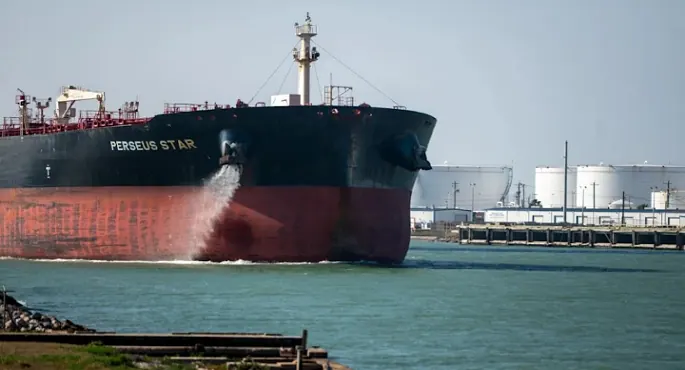
The global oil market is experiencing a significant surge in shipping costs, making some long-distance crude transportation economically unviable. This development threatens to disrupt trade flows and impact fuel supplies. According to Bloomberg, the sharp increase in oil shipping costs is primarily due to a shortage of available large tankers. These vessels, which can be as long as three football fields, have become scarce in some markets, driving up rental costs.
The cost of shipping a crude oil shipment from Houston to Asia has skyrocketed to approximately $26 per barrel, or around $52 million per shipment. This substantial increase adds a significant burden to the world's largest crude oil importer. The rising shipping costs are equivalent to about a quarter of the current West Texas Intermediate futures price, a considerable increase from pre-conflict levels.
The shortage of large tankers has resulted in substantial gains for a limited number of tanker owners who dominate the market. The combined market value of the world's largest tanker companies has reached a record high of nearly $70 billion. However, this development has raised concerns among oil traders, who fear that the increased costs may make refining certain crude shipments unprofitable.
The impact of rising shipping costs is being felt across the globe. In Asia, refineries are seeking alternative supplies from closer sources to mitigate the increased costs. Data from Vortexa shows that US-to-Asia flows have declined in recent weeks, with shipping costs tripling. Some Japanese refineries have opted for Alaskan crude, which is not typically suitable for their facilities, due to the shorter shipping distance.
The shortage of large tankers has led to a surge in demand for smaller vessels, such as Suezmax and Aframax tankers. These vessels are being used to transport crude oil from closer sources, including the US and Brazil. The increased demand for these vessels has driven up their rental costs, with Suezmax tankers earning over $1.2 million per day and Aframax tankers earning around $300,000 per day.
The conflict between the US and Iran has contributed to the shortage of large tankers, as vessels operating through the Strait of Hormuz are being detained for longer periods. Additionally, some tankers are taking longer routes around Africa to load cargoes from the Mediterranean. This has resulted in a significant increase in shipping costs, which may have long-term implications for global trade flows.
The current shipping crisis highlights the critical role that transportation costs play in determining crude oil prices and trade flows. As shipping costs continue to rise, there is a risk that global trade flows may be disrupted, leading to increased price disparities between regions. According to Xavier Tang, a senior market analyst at Vortexa, shipping costs are now a major factor in determining the movement of oil markets, which will ultimately impact buyers.
Key points
- The shortage of large tankers has driven up shipping costs, making long-distance crude transportation economically unviable.
- The increased shipping costs may disrupt global trade flows and impact fuel supplies.
- The current shipping crisis highlights the critical role that transportation costs play in determining crude oil prices and trade flows.