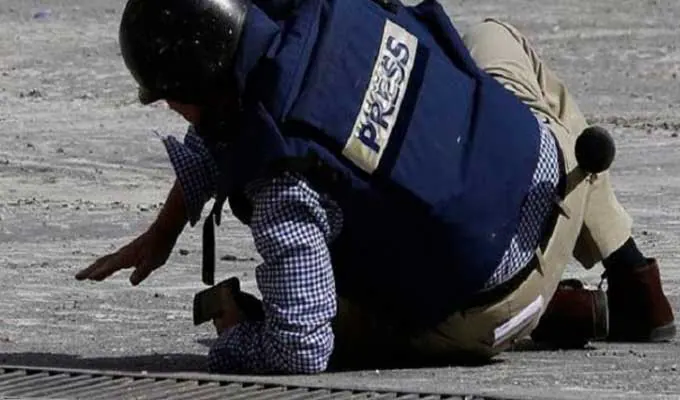
The Syndicat national des journalistes tunisiens (SNJT) has released a report indicating a significant decrease in aggressions against journalists and photojournalists in August 2026. According to the report, eight aggressions were recorded out of ten signalments received by the SNJT's monitoring unit, compared to 22 aggressions in July. These cases involved 17 victims, comprising nine women and eight men, working for seven different media outlets.
The SNJT's monitoring unit detailed the types of aggressions faced by journalists in August. Three cases of harassment were reported, along with two instances of prohibition from practicing their profession, one case of arbitrary detention, one case of censorship, and one judicial pursuit. The report also identified the presumed perpetrators of these aggressions, with security agents being responsible for three cases. Additionally, festival organizers and a social media user were each linked to one case of aggression.
In response to these findings, the SNJT reiterated its call to the presidency of the government to establish a clear public policy aimed at protecting journalists in the exercise of their functions. The syndicate emphasized the need to preserve the independence of journalistic work, free from direct or indirect pressures related to their opinions. This call for action underscores the ongoing challenges faced by journalists in Tunisia and the importance of ensuring their safety and independence.
The SNJT also addressed recommendations to the Ministry of Interior, urging them to issue clear instructions to security units to guarantee journalists' rights to practice their profession. The syndicate stressed the importance of providing training for security agents and cadres on issues related to press freedom and journalists' rights. Furthermore, the SNJT requested that the Ministry of Interior initiate serious administrative investigations into cases of aggression and harassment targeting journalists.
The SNJT's report also called upon the judiciary to expedite investigations into aggressions, threats, and campaigns of incitement and defamation against journalists. The syndicate emphasized the need to ensure that judicial procedures are not used as a means of pressure against journalists. By advocating for these measures, the SNJT aims to enhance the protection and safety of journalists in Tunisia.
Additionally, the SNJT urged organizers of festivals and cultural events to respect journalists' rights to cover these events and not to hinder their work, especially after obtaining accreditation. This appeal highlights the importance of ensuring that journalists can perform their duties without interference or obstruction. By doing so, the SNJT seeks to promote a safer and more supportive environment for journalists in Tunisia.
Overall, the SNJT's report provides a detailed overview of the aggressions faced by journalists in August 2026 and underscores the need for concerted efforts to protect journalists and ensure their independence. The syndicate's recommendations to the government, Ministry of Interior, and judiciary reflect its commitment to promoting a safer and more supportive environment for journalists in Tunisia.
Key points
- The SNJT reported 8 aggressions against journalists in August 2026, a decrease from 22 cases in July.
- Security agents were responsible for three cases of aggression against journalists in August.
- The SNJT called for clear public policies to protect journalists and ensure their independence in Tunisia.