The town of Musina in Limpopo, South Africa, is a bustling hub of trade, with a wide variety of goods available for purchase. From electronics to furniture, and from toiletries to alcohol, the town centre is abuzz with activity from early in the morning. Much of this trade is destined for Zimbabwe, with goods being transported across the border at Beitbridge, 10km away. The N1 road, which connects Musina to the border, is lined with shops and traders selling their wares to customers from across the border.
Despite the presence of official border checkpoints, many traders and smugglers find ways to bypass them. A dirt road that branches off from the main road to the border is used by some vehicles to cross into Zimbabwe, often with the help of soldiers who have created makeshift roadblocks. However, instead of detaining those attempting to cross the border, the soldiers often simply turn them back, allowing them to try again later. This cat-and-mouse game is a common occurrence along the border.
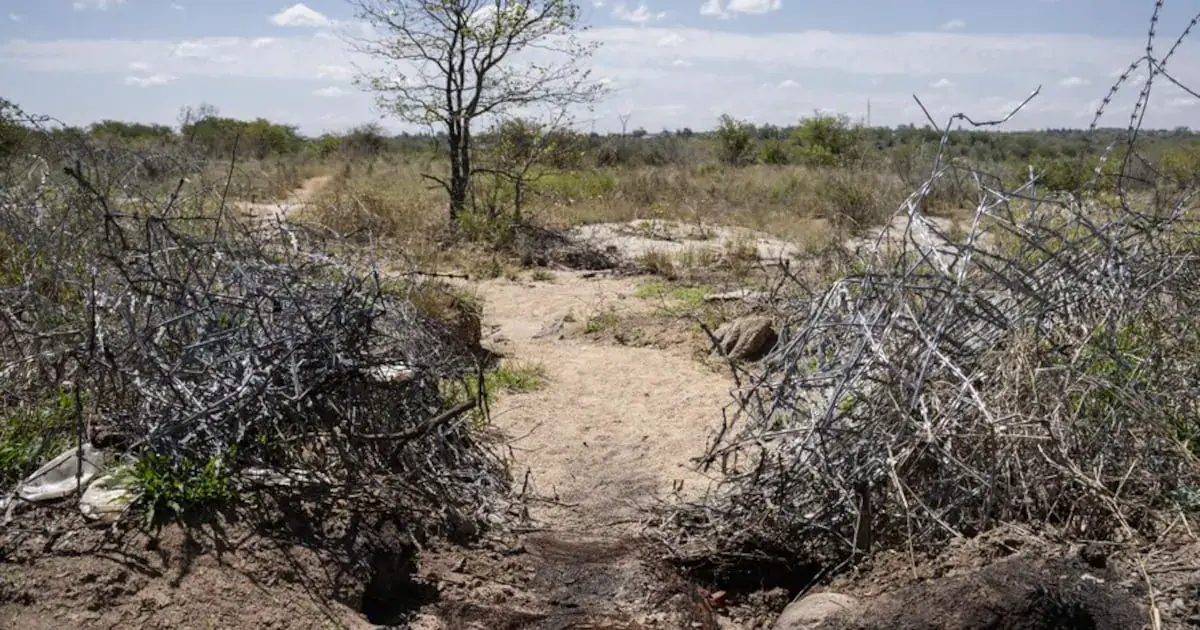
One of the most common methods used by smugglers to cross goods into Zimbabwe is by using the Limpopo River, which forms part of the border between South Africa and Zimbabwe. A large hole in the barbed wire fence that runs along the border has been used as a crossing point, with goods being offloaded onto rafts or boats and taken across the river. This method allows traders to avoid paying import duties, which are exorbitant on the Zimbabwean side.
The smuggling of goods across the border is a lucrative business, with many people involved in the network. Carriers, boat operators, and drivers all earn a cut of the goods being transported, which can include everything from groceries to blankets and refrigerators. The goods are often sold in Zimbabwe, where they are in high demand. However, the trade also has its risks, with some people having lost their lives attempting to cross the flooded Limpopo River.
The impact of the smuggling trade on the local economy is significant. Musina's economy relies heavily on the trade with Zimbabwe, and many businesses would struggle if the border were to be properly managed. However, the trade also has its costs, with some shopkeepers complaining that the presence of soldier roadblocks on the road to Harare is making it harder for them to do business. The government faces a difficult challenge in balancing the need to control the border with the need to support local businesses.
The issue of animal traffic across the border is also a concern. Many donkeys and cattle cross the river, often carrying goods or being used to pull stolen cars. The uncontrolled movement of animals is also a risk for the spread of diseases such as foot-and-mouth disease, which has been a problem in the area. Game farmers, such as Hermanus Schoeman, have had to close their farms due to the risk of animal disease and poaching.
Ernest Makatu, a traffic official, has expressed concerns about corruption in Musina and South Africa. He wants to see an end to corruption and has announced plans to stand for president in 2029. For now, the smuggling trade along the border continues to thrive, with traders finding ways to bypass official checkpoints and sell their goods in Zimbabwe.
Key points
- Traders use various methods to bypass official border checkpoints.
- Smuggling trade has significant impact on local economy.
- Animal traffic across border poses risk of disease spread.