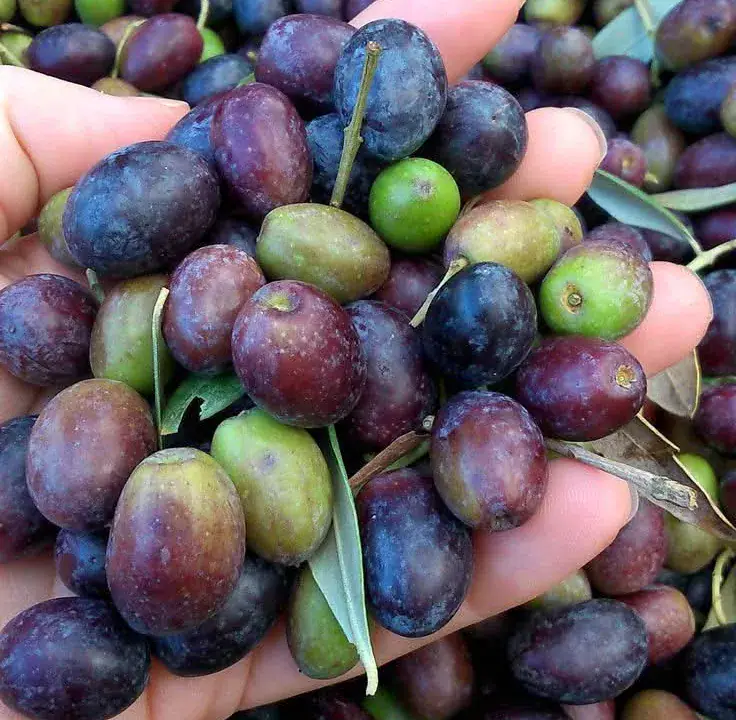
The olive harvest in Tunisia's Kairouan region, which started on October 26, is experiencing a slow start. According to Mouldi Ramadan, head of the Kairouan Regional Union of Agriculture and Maritime Fishing, the initial pace is weak due to low oil extraction rates from the olives and the impact of weather conditions. Some farmers have had to intensify their efforts to collect fallen olives to protect their crops.
Current prices for olives in the region range from 1,300 millimes to 1 dinar per kilogram, while the cost of harvesting ranges from 400 to 450 millimes per kilogram. The price of olive oil in the market is around 9 dinars per liter. Despite the slow start, Ramadan expressed optimism that the harvest will improve with decreasing temperatures, which should positively impact oil extraction rates and prices.
The Kairouan region holds a strategic position in Tunisia's national production of olives and olive oil. Previous estimates indicated that the region would produce around 275,000 tons of olives and 57,000 tons of olive oil, representing a 4% increase. The region has 207 olive oil presses distributed across various areas.
Regarding the issue of olive tree bacterial leaf scorch, Ramadan urged farmers to address the issue with awareness and responsibility, avoiding both alarmism and complacency. He noted that the disease, known locally as "al-thahlol," has existed since the 1980s and that the Ministry of Agriculture has previously discussed it.
The spread of the disease is primarily linked to injuries to the branches, often caused by hail or the use of sticks during harvesting, as well as pruning practices that do not involve sterilizing tools. Ramadan emphasized the importance of adopting preventive measures, such as sterilizing pruning tools with Javel or alcohol and conducting copper-based treatments immediately after harvesting and pruning.
While Ramadan does not consider the disease a significant threat to the quality of olive oil, he stressed the necessity of prevention and early intervention to protect the trees and ensure the sustainability of production. He highlighted the importance of educating farmers on proper harvesting and pruning techniques to preserve the region's olive wealth and promote the sector's sustainability.
The Kairouan region's olive harvest is a significant contributor to Tunisia's national production. With the right conditions and practices, farmers in the region are hopeful for a successful harvest. The sector's stakeholders will be watching closely to ensure that the necessary measures are taken to support the farmers and protect the region's olive crops.
Key points
- The olive harvest in Tunisia's Kairouan region has started slowly due to low oil extraction rates and weather conditions.
- The region is expected to produce around 275,000 tons of olives and 57,000 tons of olive oil this season.
- Farmers are being advised to adopt preventive measures to address the issue of olive tree bacterial leaf scorch.
Reporting sources
- نسق بطيء لموسم جني الزيتون في القيروان · Assabah News