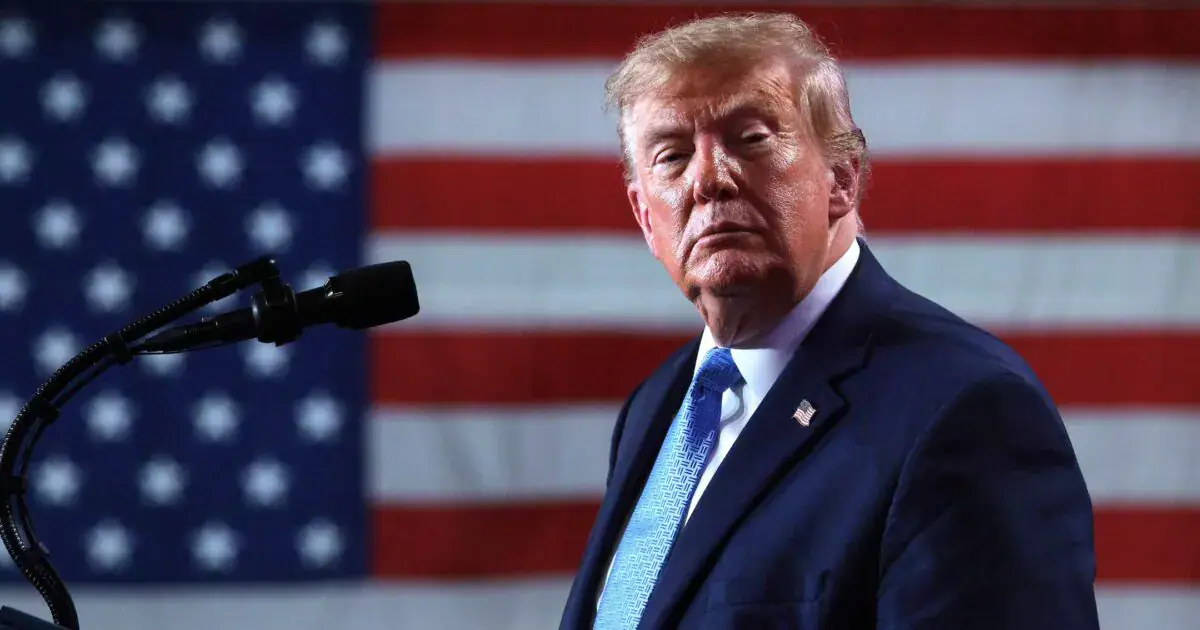
The recent US midterm elections have sent shockwaves through the country's political landscape, with significant implications for Israel and Jewish politics. A weakened President Donald Trump, who has been a crucial ally for Israeli Prime Minister Benjamin Netanyahu, may no longer be able to provide the same level of support for aggressive action against Iran and its proxies. This shift in the US political landscape has left Israel entering uncharted territory, with Netanyahu's domestic standing and regional agenda potentially impacted.
The Democratic Party's strong performance in the midterm elections is set to have far-reaching consequences for US-Israel relations. With Hakeem Jeffries poised to become Speaker of the US House of Representatives and Chuck Schumer likely to regain his position as US Senate Majority Leader, both leaders will face immense pressure to take a harder line against Israel. As key supporters of Israel, Jeffries and Schumer will need to balance their party's growing demands for a tougher stance on Israel with their own longstanding ties to the pro-Israel community.
Despite the growing number of anti-Israel lawmakers in Congress, the massive Democratic victory has diluted their power. The anti-Israel vote will still cause problems for party leaders, but it will be harder for them to hold Congress hostage. Moreover, with many moderates and Israel supporters within the Democratic majority, the overall issue of Israel loses some of its potency. This shift in the Democratic landscape may lead to a more nuanced discussion on US-Israel relations.
Pennsylvania Senator John Fetterman's influence has waned following the midterm elections. Fetterman has been a strong supporter of Israel, and his potential departure from the Democratic Senate caucus could have been triggered by his party turning against Israel. However, with Democrats securing a larger majority in the Senate, Fetterman's influence is no longer as crucial.
The American Israel Public Affairs Committee (AIPAC) has struggled to find a winning formula in its efforts to counter anti-Israel sentiment in Congress. Despite investing hundreds of millions of dollars in campaign fundraising, AIPAC's support for certain candidates has become a liability. The midterm elections suggest that AIPAC's strong support for US and Israeli military strikes against Iran is out of step with the American public and many incoming lawmakers.
The midterm elections have also provided a boost to several Jewish presidential hopefuls. Senator Jon Ossoff's impressive re-election in Georgia has sparked speculation about his potential presidential bid in 2028. Pennsylvania Governor Josh Shapiro and Illinois Governor JB Pritzker also registered significant re-election victories, while moderate Elissa Slotkin may have opened the door to progressive support.
The midterm elections have set the stage for a complex and dynamic discussion on US-Israel relations and Jewish politics. As the Democratic Party continues to evolve, its stance on Israel and related issues will be closely watched. The implications of a weakened Trump and shifting Democratic landscape will be far-reaching, with potential consequences for US foreign policy and the Israeli-Palestinian conflict.
Key points
- A weakened President Donald Trump may no longer be able to provide the same level of support for Israel.
- The Democratic Party's strong performance in the midterm elections sets to have far-reaching consequences for US-Israel relations.
- Several Jewish politicians, including Senator Jon Ossoff and Pennsylvania Governor Josh Shapiro, have emerged as potential presidential hopefuls.