Six African leaders have remained in power for more than three decades, making them some of the world's longest-serving political figures. Their tenures began in different circumstances, including military takeovers, armed struggles, elections, and hereditary succession. According to the Council on Foreign Relations, five sitting African presidents had each been in power for more than three decades as of 2025.
Teodoro Obiang Nguema Mbasogo of Equatorial Guinea is Africa's longest-serving president, having held power since 1979. He took power on 3 August 1979 after leading a military coup that overthrew his uncle, Francisco Macías Nguema, the country's first president. Obiang has remained in office through successive elections, including the 2022 presidential election, in which the official results awarded him another seven-year term.
Paul Biya of Cameroon became president on 6 November 1982, following the resignation of the country's first president, Ahmadou Ahidjo. Before assuming the presidency, Biya had served as prime minister from 1975 and held senior positions within the government. His presidency has survived several political transitions, constitutional changes, and contested elections.
Denis Sassou Nguesso of the Republic of the Congo has accumulated approximately 42 years in office across two periods. He first took power in 1979 and governed the Republic of the Congo until 1992, when he lost the country's first multiparty presidential election. Sassou Nguesso returned to power in October 1997 after a civil war and has remained president since then.
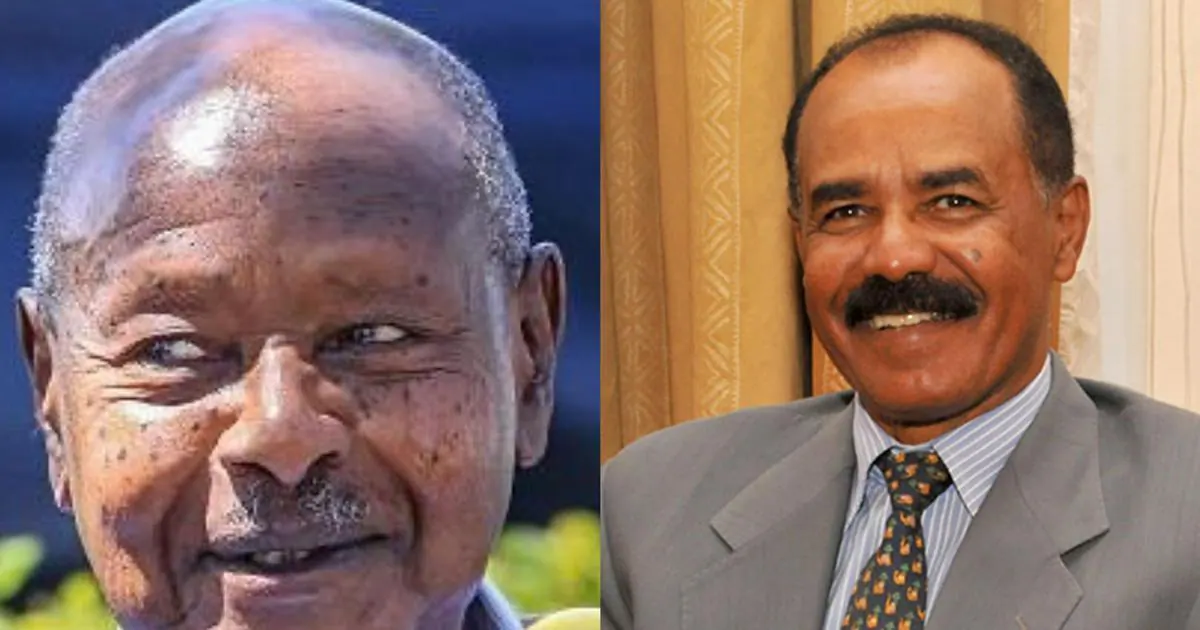
Yoweri Kaguta Museveni of Uganda has been in power since 1986. He has remained in office despite facing criticism over his handling of the economy, security, and human rights. Museveni's long tenure has also raised concerns about succession and the concentration of power. Eritrea's Isaias Afwerki and Eswatini's King Mswati III are also among Africa's longest-serving leaders.
The governments of these long-serving leaders have faced sustained criticism over restrictions on political opposition, civil liberties, and the concentration of power. Their extended presidencies have also drawn attention to issues of succession, governance, and human rights. The African continent continues to grapple with the challenges of leadership, stability, and democratization.
As of October 2026, these leaders continue to occupy the highest offices in their respective countries. Their tenures illustrate the complexities of African politics, where leaders often assume power through various means and remain in office for extended periods. The international community continues to monitor their governance and engagement with citizens.
Key points
- Teodoro Obiang Nguema Mbasogo is Africa's longest-serving president, having held power since 1979.
- Paul Biya of Cameroon has been president for nearly 44 years, making his tenure one of the longest of any serving head of state.
- Denis Sassou Nguesso of the Republic of the Congo has accumulated approximately 42 years in office across two periods.