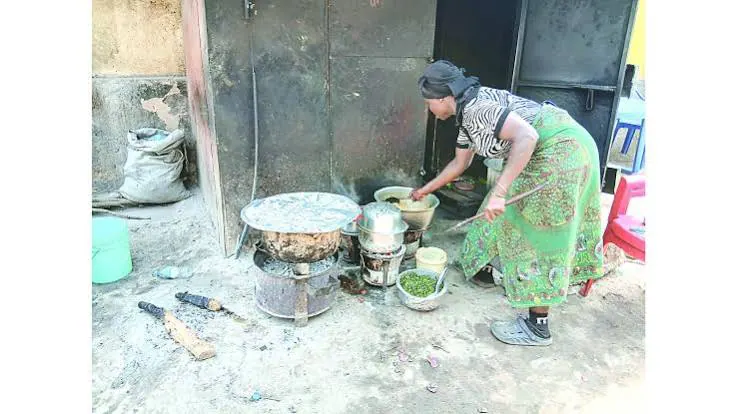
The Singida Region in Tanzania has set a target to connect 400,000 households to clean cooking energy by 2034. This initiative aims to reduce the region's reliance on charcoal and firewood, which contribute to environmental degradation. Regional Commissioner, Ms Halima Dendego, announced the target at a seminar on investment and the use of clean cooking energy organised by the Tanzania Women Empowerment Network (TAWEN) in Singida Municipality.
Ms Dendego stated that the region has made significant progress in expanding access to electricity, with all 441 villages connected to the national grid, representing 100 per cent coverage. However, only 1,208 of the region's 2,289 hamlets have been connected, equivalent to 52.77 per cent. Efforts are underway to reach the remaining 1,081 hamlets and provide them with access to electricity.
To encourage the adoption of cleaner cooking methods, the government has supported the distribution of more than 7,600 improved cookstoves and 21,930 gas stoves to residents through subsidies. Ms Dendego emphasized that clean energy use should go hand in hand with environmental conservation, particularly tree planting, to reduce pressure on forests caused by demand for firewood and charcoal.
The Regional Commissioner also pledged to allocate 100 acres to TAWEN to establish a training centre for women and young people in Singida. The initiative will provide practical agricultural training through demonstration farms and support efforts to increase the participation of women and young people in economic activities. This will also contribute to making Singida a major producer of sunflower, one of the region's important agricultural crops.
The seminar brought together government leaders, development stakeholders, and residents to discuss clean cooking energy and ways of increasing the participation of women and young people in economic, social, and political development. The seminar was held under the theme, "Clean cooking energy, save lives and the environment." Participants discussed investment opportunities in clean cooking energy and ways of increasing public awareness and adoption of cleaner cooking technologies.
Ms Dendego emphasized that the region is committed to becoming a leader in the adoption of clean cooking energy while reducing the environmental damage associated with the continued use of charcoal and firewood. The region aims to promote sustainable energy solutions and mitigate the impacts of climate change.
The adoption of clean cooking energy in Singida Region is expected to have numerous benefits, including improved health outcomes, reduced deforestation, and increased economic opportunities for women and young people. The region's efforts to promote clean cooking energy are part of a broader national initiative to address environmental degradation and promote sustainable development.
Key points
- The Singida Region aims to connect 400,000 households to clean cooking energy by 2034.
- The region has made significant progress in expanding access to electricity, with all 441 villages connected to the national grid.
- The government has distributed over 7,600 improved cookstoves and 21,930 gas stoves to residents through subsidies to promote cleaner cooking methods.