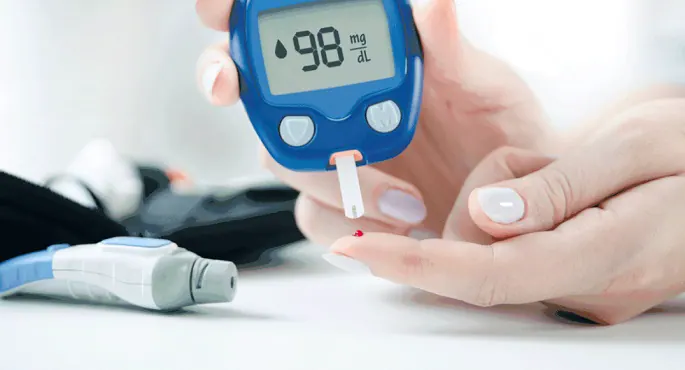
Research suggests that certain simple movements and light physical activities after meals can help the body better manage the rise in blood sugar levels that occurs after eating, particularly for individuals with type 2 diabetes. These activities do not need to be intense or time-consuming, as simple actions like walking or climbing stairs can activate muscles and help them use glucose from the blood.
Studies indicate that the timing of physical activity may be crucial in controlling post-meal sugar spikes. Initiating movement shortly after eating appears to be more beneficial than delaying it for a longer period. This does not require engaging in strenuous exercises; instead, individuals can choose light activities that suit their physical abilities and health conditions.
One of the simplest exercises that can be performed indoors or outdoors is walking in place. This activity requires no special equipment and involves standing upright and moving the legs alternately as if walking, with knees raised to a comfortable degree and arms moving naturally. Individuals can start with short periods and gradually increase the duration based on their capability.
Climbing stairs can be another straightforward activity that helps engage leg muscles and increase physical activity levels after meals. This exercise can be performed using a low-level step or a stable exercise platform, alternating between climbing and descending while maintaining balance. Using handrails is recommended, especially for those who experience balance difficulties.
Bodyweight squats are also beneficial and can be performed without any special equipment. The exercise starts with standing with feet slightly apart, then bending the knees and hips while pushing the pelvis backward, lowering down to a comfortable level before returning to a standing position. It is essential to perform the movement in a controlled manner and avoid lowering down to a level that causes pain or strain.
For individuals who find standing or bearing body weight challenging, exercises like heel raises while seated can be an alternative. This involves sitting upright on a chair with feet flat on the floor, then pressing the toes to lift the heels off the ground, and subsequently lowering them back down repeatedly. Research suggests that performing such movements directly after meals may help reduce post-meal blood sugar spikes.
Short walks after meals can be an effective way to incorporate physical activity into daily routines. Studies have shown that walking at a comfortable pace after eating can help lower post-meal blood sugar spikes compared to not engaging in any activity. The timing of the walk also appears to be significant, with walks taken immediately after meals being more effective than those delayed for a longer period.
Key points
- Simple exercises like walking in place, climbing stairs, and bodyweight squats can help manage post-meal blood sugar levels.
- Timing of physical activity is crucial in controlling post-meal sugar spikes.
- Light physical activities, including household chores and low-impact exercises, can be beneficial for individuals with type 2 diabetes.