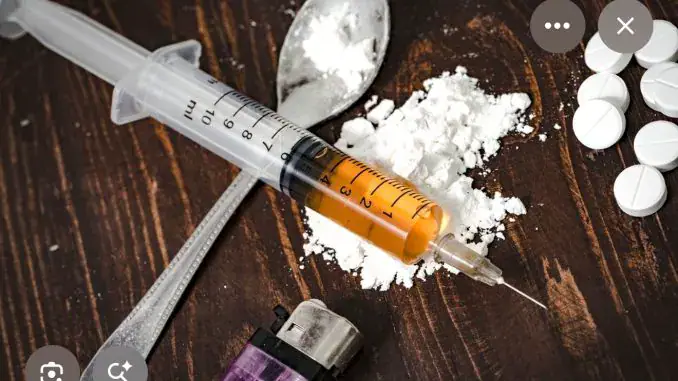
In August 2023, a community effort in Masingbi, Tonkolili District, was launched to address the rising issue of kush, an illicit drug affecting young people in Sierra Leone. The initiative, led by drug abuse expert Mr Donald Conteh, brought together parents, youth, community leaders, and the police to discuss the problem and its devastating impact on the youth. This gathering led to the formation of the Masingbi Action Against Kush (MAAK Force), with the Local Unit Commander appointed as leader.
Three years later, the situation has become dire, with kush infiltrating homes, disrupting education, and robbing families of peace. Parents are now more concerned about their children's safety than their exam results. The author, Yoni Emmanuel Sesay, questions whether the nation truly understands the necessity of protecting young lives and reflects on the moral approach to this crisis. The utilitarian principle raises concerns about whose well-being is being considered and whether displaced youth are being rehabilitated or merely moved out of sight.
The kush crisis is closely linked to unemployment, poverty, and lack of opportunities, which often leave young people feeling hopeless. Although unemployment does not inevitably lead to addiction, it does influence choices. Graduates seeking jobs and dropouts unable to afford training are often told to be patient and work harder, but for how long? The potential of Sierra Leone's youth is a wealth beyond its minerals, and their futures matter.
President Julius Maada Bio declared a national emergency regarding drug abuse in April 2024, a critical step towards addressing the issue. However, the lack of post-rehabilitation support leaves many struggling with where to go next. Recent figures show a concerning rise in body recoveries in Freetown, highlighting a tragic reality that demands attention. Each statistic represents a person's life, dreams, and loved ones left behind.
To genuinely address the kush crisis, Sierra Leone must distinguish between combating drug trafficking and supporting those trapped in addiction. While it is essential to prosecute those who exploit vulnerable individuals, addiction cannot be resolved through humiliation or detention. A robust prevention strategy targeting young people before they encounter drugs is necessary, including establishing drug education in schools and empowering parents and community leaders to intervene early.
Regional hospitals must be equipped to offer treatment, and rehabilitation facilities should focus on the holistic recovery process. In crafting a comprehensive strategy, Sierra Leone should incorporate evidence-based practices, emphasising the interconnections between detoxification, treatment, recovery, rehabilitation, and reintegration. Each phase plays a critical role in helping individuals rebuild their lives sustainably.
The goal must be more than stopping drug use; it should involve restoring dignity, self-esteem, and a sense of purpose. Support in rebuilding lives must continue even after rehabilitation, recognising that setbacks are part of the journey. As a nation, Sierra Leone must commit to safeguarding its youth and preventing future tragedies caused by drug dependence. Protecting the living is the primary duty, and the country should strive for a future where every young Sierra Leonean can look forward to a hopeful life.
Key points
- The kush crisis in Sierra Leone is linked to unemployment, poverty, and lack of opportunities, which often leave young people feeling hopeless.
- A comprehensive strategy to address the kush crisis should include establishing drug education in schools and empowering parents and community leaders to intervene early.
- Post-rehabilitation support is crucial in helping individuals rebuild their lives sustainably and preventing setbacks.