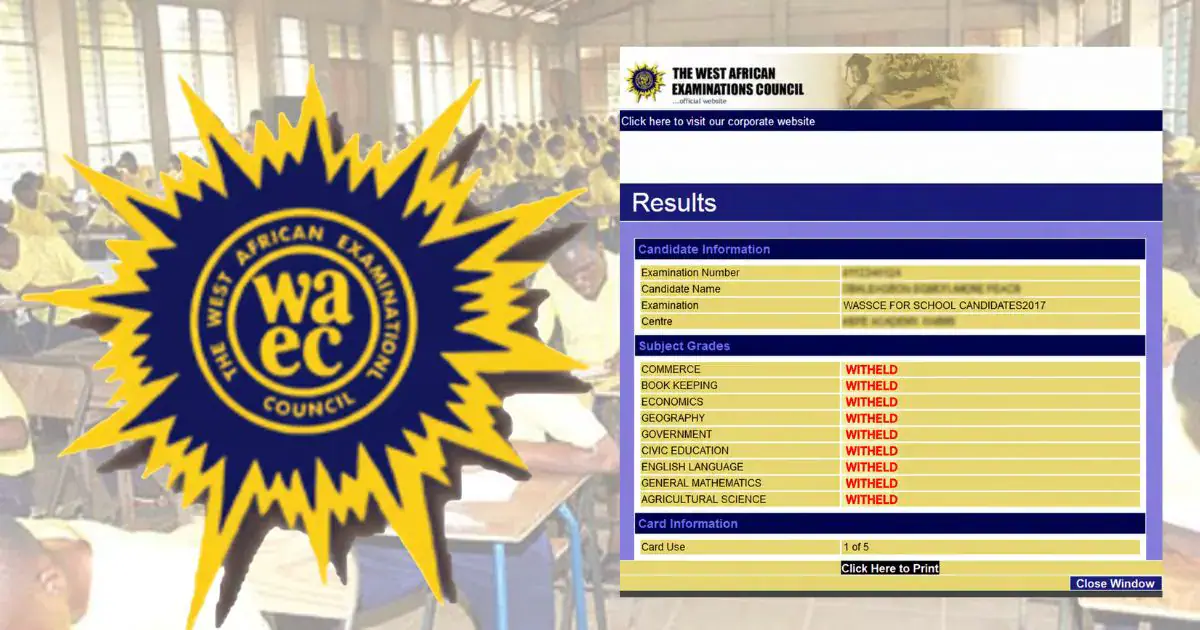
In Sierra Leone, thousands of students are uncertain about their future after the West African Senior School Certificate Examination (WASSCE) results were withheld for 47,454 candidates due to suspected malpractice. This represents nearly one in four of the 201,000 registered candidates. The situation has caused concern among students, parents, and education authorities, with many calling for a fair and transparent process to resolve the issue.
A recent report from South Korea offers a lesson in public accountability. The country's education minister, Choi Kyo-jin, resigned following controversy over the university entrance examination, known as Suneung. The minister took responsibility for shortcomings in preparations, demonstrating that leadership accountability is essential in ensuring the integrity of examinations. This approach contrasts with the current situation in Sierra Leone, where students and parents are demanding answers and action from education authorities.
The Sierra Leone News Agency reported that the number of withheld results has increased significantly from 13,237 in the previous year. Education authorities have suggested that improved monitoring may partly explain the increase, but detecting malpractice is only part of the job. Preventing it, investigating allegations fairly, and protecting innocent students are equally important. The consequences of delayed results can be painful for families, particularly those struggling to pay school fees and provide transport.
The issue raises questions about the responsibility of officials in organizing and supervising examinations. Students do not appoint invigilators, choose examination centers, or design security procedures; those duties belong to the examining body and officials. Investigators need to examine the conduct of officials as well as candidates, applying the same demand for evidence and accountability to everyone involved.
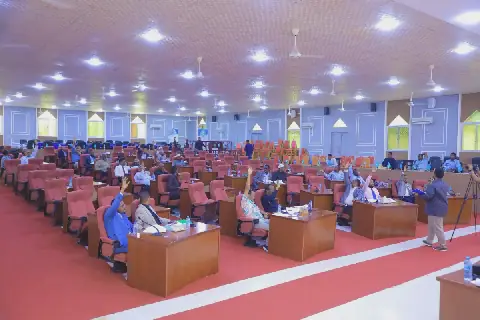
The Sierra Leone Parliament has responded to the crisis, with the Minister of Basic and Senior Secondary Education, Conrad Sackey, appearing before lawmakers on November 5. Parliament called for the prompt release of results where clear evidence of malpractice was lacking, a timetable for investigations, and a review of WAEC's capacity to manage examinations. These steps are a positive development, but their value will depend on what happens next.
A practical first step would be for WAEC and the Ministry to publish regular updates on the status of cases, including the number of resolved cases, released results, and those still under investigation. Students whose results are cancelled should be informed of the reasons and any available appeal procedure. Universities and other tertiary institutions could also consider extended application deadlines or conditional admission, where their rules allow.
Ultimately, an independent review of examination administration could help identify weaknesses in supervision, staff training, and security. With new technology making cheating easier to conceal, rules need to be communicated clearly before examinations begin, and invigilators need the training and resources to enforce them consistently. The findings of such a review could inform measures to prevent similar crises in the future and ensure that students receive fair and timely results.
Key points
- Thousands of Sierra Leonean students face uncertainty over withheld WASSCE results due to suspected malpractice.
- South Korea's education minister resigned over examination controversy, demonstrating leadership accountability.
- Sierra Leone's Parliament has called for prompt release of results and a review of WAEC's capacity to manage examinations.