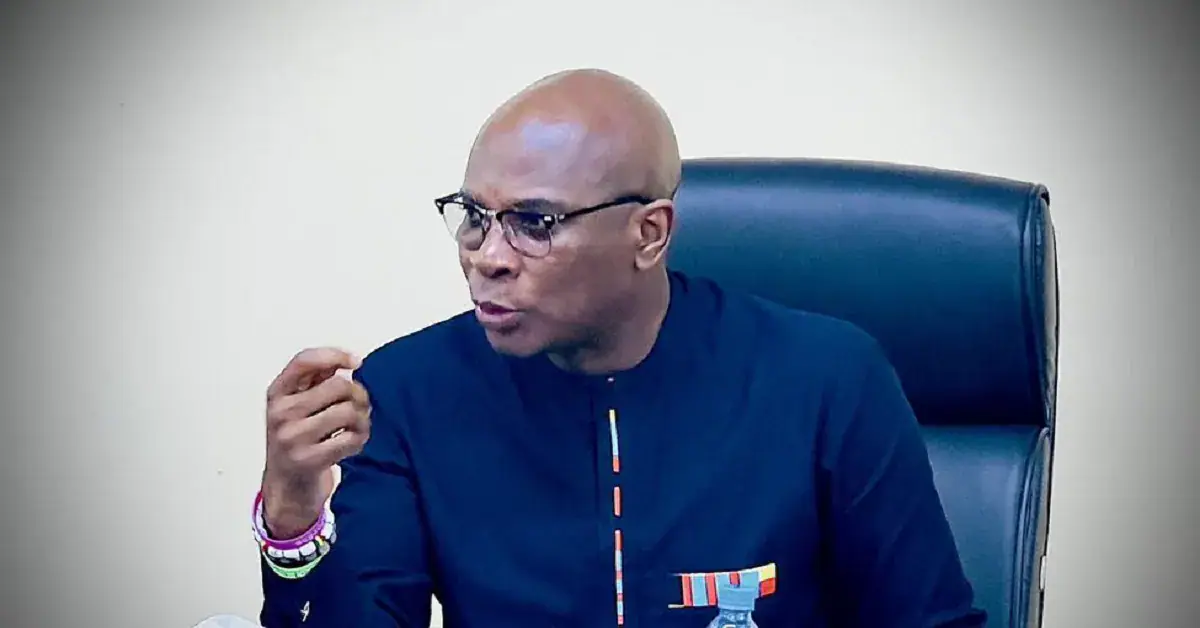
Sierra Leone's Minister of Basic and Senior Secondary Education, Conrad Sackey, has made teachers a top priority in education reform. At a high-level launch event in Accra on November 24, 2026, Sackey outlined a "Five Rs" agenda. He was part of a panel discussion on "From Evidence to Implementation" at the Mastercard Foundation report launch on Secondary Education in Africa. The report focuses on expanding pathways to work, livelihoods, and lifelong learning.
Sackey chose Recommendation 4 from the report, emphasizing the importance of teachers in achieving quality education. He stated that quality education cannot be achieved without teachers. This commitment is rooted in his experience as Chairman of the Teaching Service Commission and his family's teaching background spanning four generations. His remarks align with the report's findings, which highlight the need for 10.7 million additional secondary teachers in Sub-Saharan Africa by 2030.
The Mastercard Foundation report features Sierra Leone as one of eight case studies. Sackey stressed that enrolling learners is only half the mission; ensuring they are taught by quality educators is critical. He noted that Sierra Leone currently relies on both government-paid teachers and volunteer teachers supported through government school subsidies. The minister aims to move away from this model by hiring more teachers and deploying them based on school needs.
Sackey's participation in the continental dialogue highlights Sierra Leone's efforts to align its education policies with international best practices. The goal is to secure the necessary workforce to drive its Free Quality School Education programme. The minister joined education ministers from Ghana, Liberia, and Rwanda in a session moderated by FAWE Africa Executive Director Dr. Martha Muhwezi.
The "Five Rs" agenda unveiled by Sackey aims to address various aspects of education reform. While the details of the agenda are not fully disclosed, the minister's emphasis on teachers is clear. This focus is in line with the report's recommendations, which emphasize the need for a well-trained and equipped education workforce.
Sierra Leone's education sector faces challenges in terms of teacher deployment and quality. The country's reliance on volunteer teachers supported through government subsidies can lead to inconsistent educational experiences. By bringing more teachers onto the payroll and deploying them based on school needs, Sackey aims to improve the overall quality of education.
The launch event in Accra brought together education stakeholders to discuss the findings of the Mastercard Foundation report. The report's recommendations aim to inform education policy and practice in Africa. By prioritizing teachers and unveiling the "Five Rs" agenda, Sackey has demonstrated Sierra Leone's commitment to education reform and improving learning outcomes.
Key points
- Minister Conrad Sackey prioritizes teachers in education reform, unveiling a "Five Rs" agenda.
- The Mastercard Foundation report highlights the need for 10.7 million additional secondary teachers in Sub-Saharan Africa by 2030.
- Sierra Leone aims to align its education policies with international best practices to drive its Free Quality School Education programme.