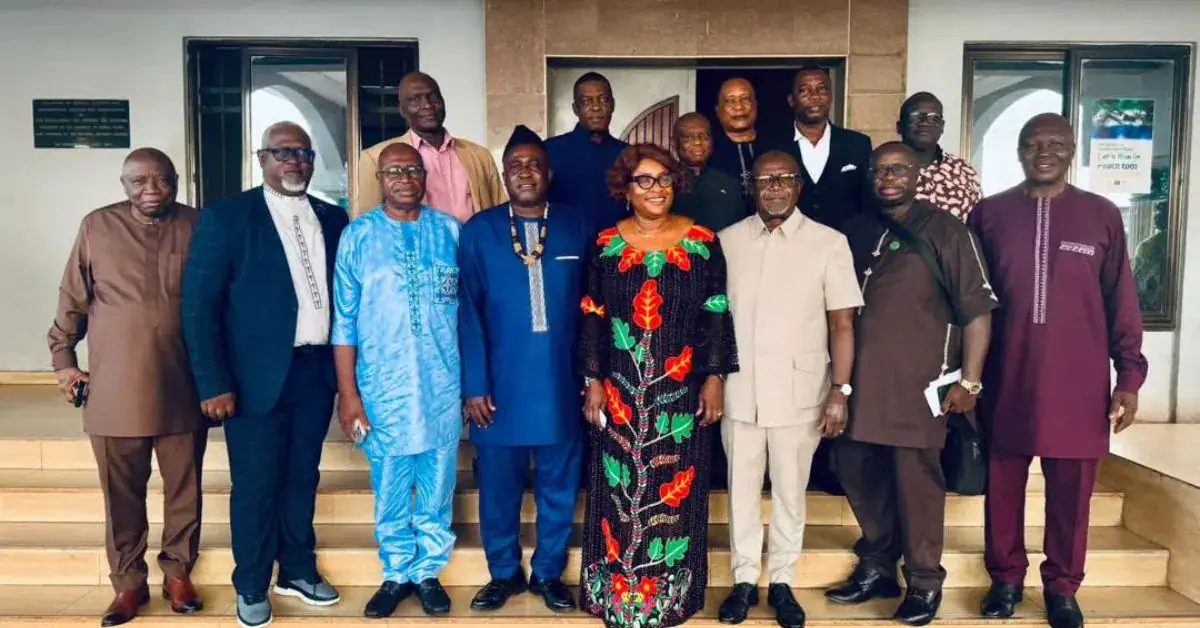
The Inter-Religious Council of Sierra Leone and the Ministry of Local Government and Community Affairs met on November 12, 2026, to address concerns and promote peaceful coexistence. The meeting brought together government officials, traditional authorities, religious leaders, and security representatives. This engagement aimed to foster reconciliation and mutual respect among the Council, the Government, and the people of Sierra Leone. The discussions focused on resolving tensions and promoting understanding between different stakeholders.
The Inter-Religious Council apologized to the Government and the Kpaa Mende Confederation for controversial remarks attributed to Pastor Francis A.M. Mambu. The comments reportedly suggested that the Government encourages or condones cannibalism, sparking concerns about the country's cultural heritage and traditional institutions. The Council acknowledged that the remarks were inappropriate and expressed regret over their impact. This apology was a crucial step towards healing and reconciliation.
According to the Inter-Religious Council, Pastor Mambu had been counselled on the implications of his statements and the responsibilities associated with religious leadership. The Council recognized the Wonde Society as an important traditional institution within Sierra Leone's cultural heritage. This acknowledgment demonstrates the Council's commitment to respecting and preserving the country's cultural traditions. The engagement provided a platform for stakeholders to address concerns and promote understanding.
Minister of Social Welfare Melrose Karminty described the engagement as a positive step towards reconciliation. She also disclosed that the Government is working towards developing a National Religious Tolerance and Practice Policy aimed at promoting peaceful coexistence and discouraging hate speech. This policy initiative is expected to foster a culture of tolerance and respect among different faith groups and communities.
The meeting's outcome was seen as a significant achievement in promoting peaceful coexistence and social cohesion. The Inter-Religious Council's apology and commitment to counselling Pastor Mambu demonstrate its dedication to responsible leadership and respect for cultural traditions. The Government's efforts to develop a National Religious Tolerance and Practice Policy also underscore its commitment to promoting peaceful coexistence.
The engagement between the Inter-Religious Council and the Government reflects a broader effort to promote social cohesion and address emerging challenges in Sierra Leone. The country's cultural heritage and traditional institutions are highly valued, and efforts to preserve and respect them are crucial. The apology and counselling of Pastor Mambu serve as a reminder of the importance of responsible leadership and respectful dialogue.
The Inter-Religious Council's apology and the Government's policy initiatives demonstrate a commitment to promoting peaceful coexistence and social cohesion in Sierra Leone. The country's progress in this area will depend on continued efforts to foster understanding, respect, and tolerance among different stakeholders. The engagement between the Inter-Religious Council and the Government serves as a positive example of collaborative efforts to address emerging challenges and promote national development.
Key points
- The Inter-Religious Council apologized for Pastor Mambu's remarks and committed to counselling him on responsible leadership.