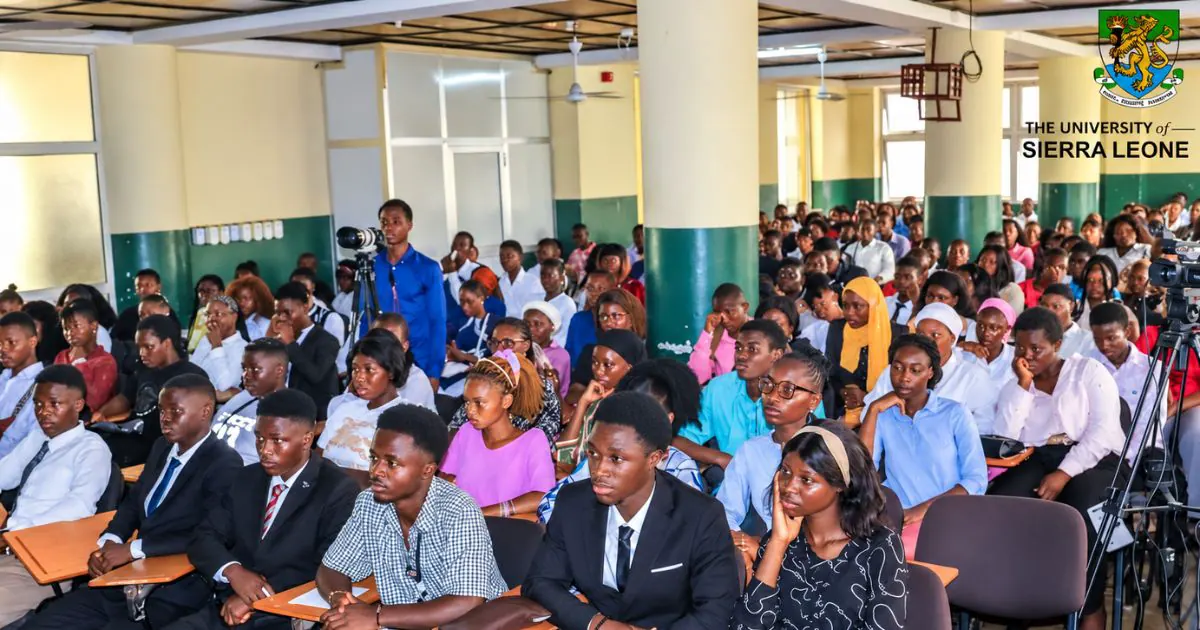
The lecture halls of Sierra Leone's public universities have fallen silent as academic staff represented by the Union of Academic Staff Associations (UASA) have been on an indefinite nationwide strike since September 16, 2026. This industrial action has left students waiting and parents growing anxious about the academic calendar. The strike is a result of lecturers seeking relief from mounting economic pressure, exacerbated by the recent increase in pump prices to NLe40 per litre for petrol and NLe45 per litre for diesel.
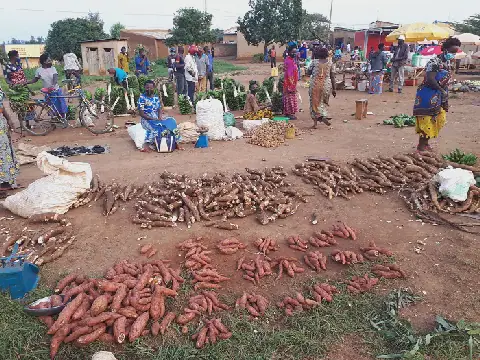
The increase in fuel prices has led to a rise in transport costs, food prices, and basic necessities, making it difficult for lecturers to afford the cost of travelling between home and campus. This, in turn, affects their ability to teach, supervise, and conduct research. The issue is not just about pay, but about sustaining the professionals who contribute to the country's human-capital development. The government cannot ignore the limits of the national budget, but it must also consider the daily experience of academic staff whose purchasing power and professional dignity are under pressure.
Previous adjustments have been made to lecturers' salaries, including a 75% increase agreed in 2021 and implemented in stages, compounded to approximately 87%, followed by a further 15% increase in 2025. The government currently covers approximately 83% of university staff salary costs. However, these figures do not alleviate the daily struggles of lecturers, and a 100% salary increase, although justified, would represent a major fiscal commitment.
The Wages and Compensation Commission (WCC), established under the Wages and Compensation Commission Act, 2023, has conducted a technical assessment of UASA's salary demands and submitted its assessment to the Ministry of Finance on September 11, 2026. The WCC's statutory framework emphasises equity, transparency, fairness, and compensation decisions that take budgetary constraints into account. Any durable settlement should engage the WCC's technical and statutory role rather than bypass it.
A path toward a win-win outcome requires UASA to maintain the force of their demands while remaining open to realistic, phased solutions. Insistence on the full 100% adjustment in a single step could prolong the dispute and its consequences for lecturers and students alike. Structured, time-bound increments deserve consideration, alongside interim cost-of-living and transport support to ease immediate pressure.
The Ministry of Technical and Higher Education and the government are urged to treat this crisis with the urgency it deserves. Lecturers are central to the Human Capital Development agenda that the government itself champions. Fiscal realism is necessary, but it should be matched by transparent engagement and credible timelines. A process that considers interim relief, a multi-year salary framework, and clear implementation arrangements for the revised Conditions of Service would demonstrate seriousness.
A practical compromise could include immediate, temporary cost-of-living and transport support, a phased salary adjustment over two to three years, clear, agreed timelines for implementing the revised Conditions of Service, and a joint monitoring mechanism involving UASA, the Ministry of Technical and Higher Education, the WCC, and the Ministry of Finance. Such an approach could provide meaningful relief to lecturers, protect fiscal sustainability, and create the conditions for academic life to resume.
Key points
- The strike by academic staff in Sierra Leone's public universities is a result of economic pressures and salary disputes.
- The Wages and Compensation Commission has conducted a technical assessment of UASA's salary demands.
- A practical compromise is needed to provide relief to lecturers, protect fiscal sustainability, and resume academic life.