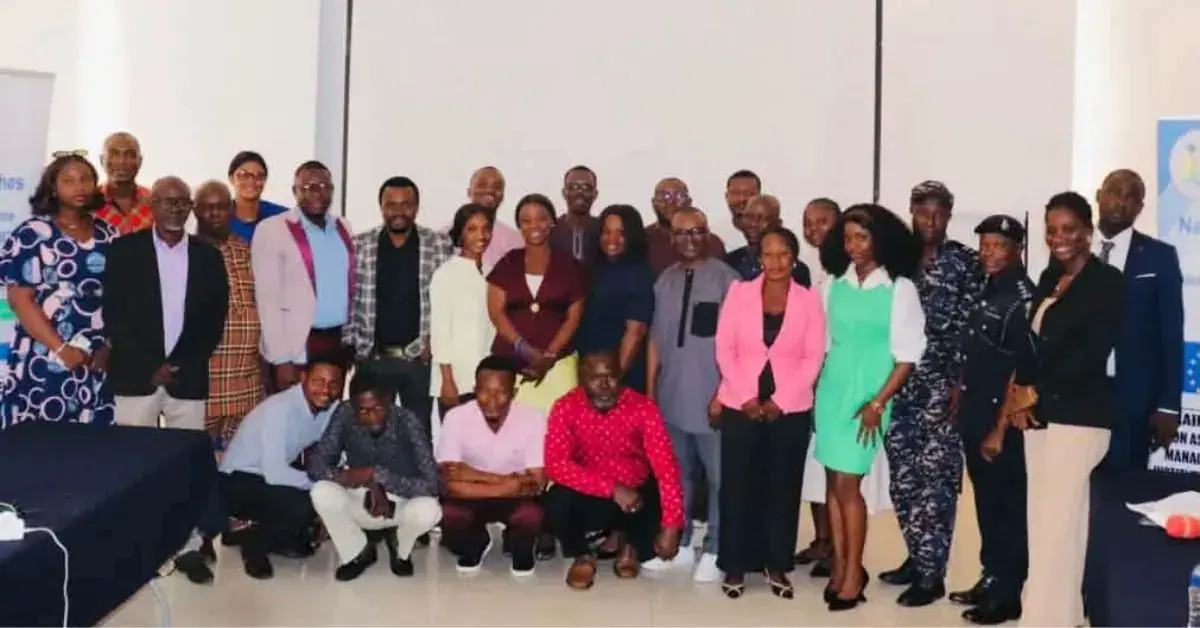
The Ministry of Finance in Sierra Leone, with support from the European Union (EU), recently conducted a five-day training workshop for staff responsible for managing government assets and inventory. The event, held from November 9 to 13, 2026, at Country Lodge, Hill Station, in Freetown, aimed to strengthen the understanding of the Asset and Inventory Management Policy among officers from the Ministry's Stores and Inventory Management Directorate. This initiative seeks to address weaknesses in managing and recording government property, including vehicles, office equipment, and supplies purchased with public funds.
The training focused on several key areas, including weaknesses in the management and recording of government property, assigning institutional responsibilities, classifying assets, and maintaining accurate inventory records. The workshop also covered stock management, record-keeping, physical inspections, reconciliation, and reporting. These processes are crucial for identifying missing items, preventing losses, and ensuring that government records reflect the actual assets held by public institutions. According to EU Team Lead Augustus Cole, poor inventory management can weaken internal controls, affect financial reporting, and make it difficult for institutions to prepare for audits.
The training is part of a broader effort to support the integration of the Integrated Financial Management Information System (IFMIS), also known as FreeBalance, and future reforms towards accrual-based public sector accounting. Participants were introduced to relevant provisions of the Public Financial Management (PFM) Act and Regulations of 2026, which provide the legal framework for managing and accounting for public resources. This initiative is expected to support better inventory records, stronger internal controls, and improved accountability in the management of Sierra Leone's public resources.
The workshop was led by technical experts, including Thomas Philip Williams, Lead Consultant, and Fatorma S. Koroma, Consultant and Inventory Expert. They used presentations and practical workplace examples to explain how government assets and supplies should be managed. The sessions examined how officers should record newly acquired vehicles and equipment, document items entering and leaving government stores, and compare physical stock with official records.
Director of Stores and Inventory Management Control Joseph Ngegba expressed appreciation to the EU for supporting the initiative through its Nature Nourishes – State and Resilience Building Contract (SRBC) Project in Sierra Leone. He emphasized that effective inventory management plays a crucial role in public financial management, service delivery, and accountability across Ministries, Departments, and Agencies (MDAs). Ngegba urged participants to apply the knowledge gained to their daily duties and use operational manuals, legislation, and established policy guidelines.
The training workshop concluded with participants committing to share the lessons with other officers, including newly appointed staff within the Directorate, to encourage consistent practices and strengthen the protection of government property. The Ministry of Finance and the EU were thanked for the opportunity to improve professional knowledge. This initiative is a significant step towards enhancing accountability and transparency in the management of public resources in Sierra Leone.
The collaboration between the Ministry of Finance and the EU reflects a joint commitment to improving public financial management in Sierra Leone. By enhancing the skills of civil servants in managing government assets, the initiative aims to promote better governance and accountability. The impact of this training is expected to be felt across various sectors, contributing to more effective and transparent management of public resources.
Key points
- The training workshop aimed to address challenges in interpreting the Asset and Inventory Management Policy and improve accountability in managing government assets.
- The initiative supports the integration of the Integrated Financial Management Information System (IFMIS) and future reforms towards accrual-based public sector accounting.
- The training is expected to lead to better inventory records, stronger internal controls, and improved accountability in the management of Sierra Leone's public resources.