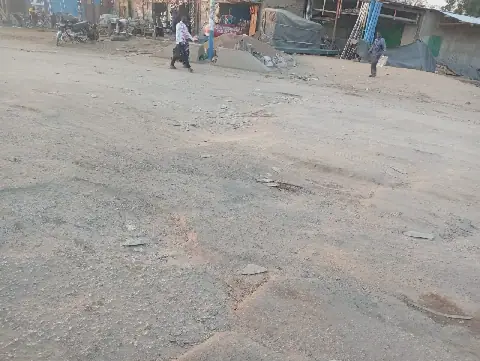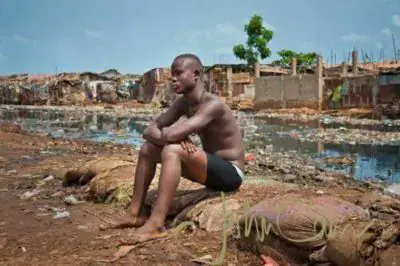
In Sierra Leone, numerous families are experiencing tragedies that could have been prevented with proper care and attention. A visit to the hospital often reveals that doctors are unavailable or essential equipment for emergencies is out of order. This has resulted in a heartbreaking pattern of loss and grief, with many left wondering what could have been done to prevent such tragedies.
The immediate crisis often exposes a longer history of neglect in the country. Patients may overwhelm doctors, firefighters may lack necessary tools, and police officers might report risks without the resources needed to address them. This has led to a culture of dysfunction that seems inescapable, with citizens relying on personal connections to secure services they are entitled to.
The failures of public institutions have become normalised, with citizens adapting to the extraordinary and unacceptable. Families are left to procure supplies that hospitals should provide, while communities step in to manage emergencies that public services fail to coordinate. This reliance on solidarity highlights a deeper failure of the system.
The situation in Sierra Leone has been likened to Samuel Beckett's play Waiting for Godot, where characters await resolution that never arrives. This has dire consequences, with lives lost while citizens remain passive. However, it is not solely the leaders who are to blame; citizens also have a role to play in demanding accountability and prioritising human life.
Citizenship in Sierra Leone requires more than just voting or complaining; it demands vigilance and action. Communities must resist encroachment, journalists must hold officials accountable, and citizens must insist on fulfilling responsibilities. It is disconcerting to celebrate resilience in enduring hardship that should not exist in the first place.
The pressing question is whether Sierra Leoneans are ready to stop waiting for someone to act and take matters into their own hands. The cycle of tragedy will endure unless there is a collective approach to change. This requires reclaiming the courage to demand accountability and prioritising the protection of human life.
Ultimately, the people of Sierra Leone must become proactive citizens, officials, journalists, and voters who refuse to look away from the problems facing their country. Until then, the cycle of tragedy will continue, leaving many to ponder what could have been done to prevent such losses. The time for change is now, and it starts with individual actions and collective responsibility.
Key points
- The cycle of tragedy in Sierra Leone is a result of neglected responsibilities and institutional failures.
- Citizens must take an active role in demanding accountability and prioritising human life to bring about change.
- The country's culture of dysfunction can be changed through collective action and a willingness to challenge the status quo.
Reporting sources
- Sierra Leone: The Heartbreak of a Nation in Stasis – Opinion Piece – The Sierra Leone Telegraph · sierraleonetoday.co.com