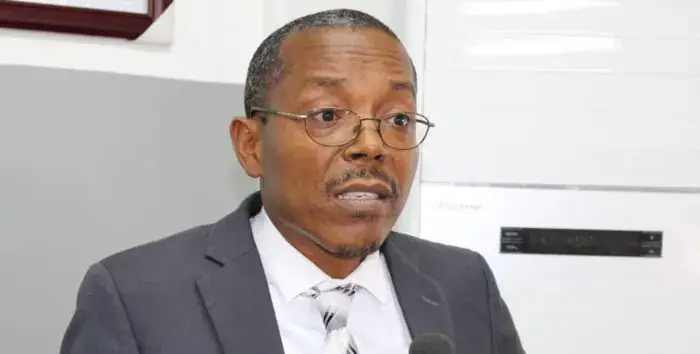
The government of Sierra Leone has taken a significant step to regulate the country's construction industry by reintroducing building permits. Minister of Lands, Housing and Country Planning, Dr Turad Senesie, announced that individuals must obtain necessary documents before commencing construction. This move aims to address the issue of unqualified builders causing harm through poorly constructed buildings. In Sierra Leone, anyone can label themselves a contractor, leading to many untrained individuals posing as builders.
The requirement for building permits is not new, but some critics argue that the minister acted unilaterally, bypassing parliament and skipping necessary legislative procedures. However, the requirement is already established in law. The urgency for enforcing this mandate stems from well-documented issues with unqualified builders and poorly constructed buildings. Recent tragedies, including high-rise building collapses in Freetown, underscore the need for regulation in the construction industry. Poor building practices have often been blamed for these incidents, exacerbated by a lack of oversight.
The construction industry in Sierra Leone is rife with corruption, involving substandard materials and dishonest contractors. Many people share grim tales of their experiences while trying to secure dependable builds, often due to the use of poor-quality materials. The Lands Ministry is notorious for corruption, overseeing land transactions that often involve multiple legitimate claims to the same property. Land grabbing remains an issue, particularly affecting those in the diaspora who can fall victim to unscrupulous practices.
Applicants for building permits often encounter frustrating delays, stuck in bureaucratic limbo, prompting widespread complaints. Inflation and fluctuating exchange rates pose additional issues, pushing residents to resort to shortcuts that could compromise safety. Corrupt officials in the ministry frequently exploit these situations for personal gain. To succeed, the minister should set a strict timeline for the permit application process and provide a way for applicants to seek redress if guidelines are not followed.
The minister's efforts may ultimately fail without tangible measures to counteract corruption. To support this initiative, several suggestions are being made, including immediately releasing all paid survey documents and permits, creating a transparent, time-bound system for issuing permits, investigating delays and payments for applicants who raise concerns, and implementing corrective actions to prevent future delays. Dr Senesie's initiative is commendable, but could prove ineffective without proper enforcement and oversight.
People seek to abide by the law and trust the system; they hope that the minister's actions will genuinely benefit families and restore confidence in public services. If rules aren't properly enforced, the same corrupt practices could persist, leading to further victimisation. The responsibility now lies with Minister Senesie, alongside President Rtd Dr Julius Maada Bio, to ensure accountability and integrity within the ministry.
The government's initiative has the potential to enhance safety and regulate the construction industry, but its success depends on effective implementation and enforcement. The minister must enforce compliance with established timeframes and provide a way for applicants to seek redress if guidelines are not followed. With proper enforcement and oversight, the initiative can help restore confidence in public services and benefit families in Sierra Leone.
Key points
- The Sierra Leone government has reintroduced building permits to regulate the construction industry and enhance safety.
- Corruption concerns threaten the success of the initiative, with applicants facing frustrating delays and corrupt officials exploiting situations for personal gain.
- To succeed, the minister must set a strict timeline for the permit application process and provide a way for applicants to seek redress if guidelines are not followed.
Reporting sources
- When Bureaucratic Corruption Undermines Good Intentions – The Sierra Leone Telegraph · sierraleonetoday.co.com