Sierra Leone has become the first African country to be selected for the International Criminal Police Organization's (INTERPOL) Database Management Tool (DMT) training. This initiative aims to improve police information management and international cooperation against cross-border crime. The training is a significant milestone for the Sierra Leone Police, as it seeks to enhance its capabilities in handling, analyzing, and sharing information more effectively through INTERPOL systems.
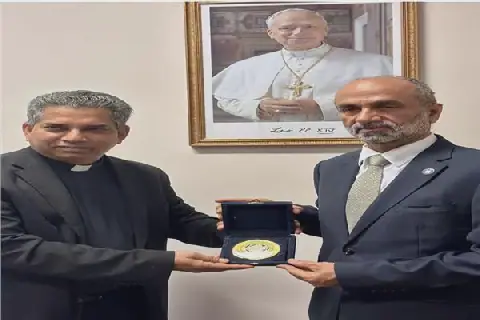
INTERPOL specialists from its Secretariat in Lyon, France, recently visited Sierra Leone to present gifts to Inspector General of Police William Fayia Sellu in recognition of his support for strengthening the Sierra Leone Police's cooperation and capabilities within INTERPOL systems. The DMT training places Sierra Leone among three countries selected for the initiative so far, with Malta and North Macedonia being the first two countries to benefit from the programme. This wider initiative covers 15 countries and is expected to be completed by December.
In Sierra Leone, a two-day workshop has been organised to train police officers in using and managing the new tool. The training is expected to enhance the officers' ability to handle, analyze, and share information more effectively through INTERPOL systems. This is particularly important in investigations involving criminal networks that operate across national borders. The training will help the Sierra Leone Police to better respond to security threats, including the movement of small arms from the Sahel toward coastal countries.
The Sierra Leone Police, under IGP Sellu's leadership, has undergone significant developments. These include expanded training opportunities for officers, the installation of West African Police Information System (WAPIS) workstations in the country's six police regions and some divisional headquarters, and efforts to strengthen data protection laws. Sellu also serves as chairman of the West African Police Chiefs' organisation, highlighting the country's growing role in regional security efforts.
The police chief, William Fayia Sellu, highlighted the region's serious security threats, including the movement of small arms, drugs, and other illegal goods across borders. He noted that criminal groups are increasingly seeking access to coastal areas, creating additional risks of weapons and drug trafficking. Sellu emphasized that stronger cooperation with INTERPOL and access to modern information-management systems would help Sierra Leone respond to these threats.
Sierra Leone is already participating in WAPIS, a regional platform designed to improve the collection and exchange of police information. Sellu expressed optimism that continued training and participation in regional information-sharing systems would help ensure that Sierra Leone remains an effective partner in international law enforcement. He stated that with Sierra Leone on the WAPIS platform and the continuous capacity-building of its personnel, the country would not be the weak link in the chain.
The DMT training is expected to strengthen the Sierra Leone Police's ability to manage information and cooperate with police agencies in other countries on investigations involving transnational organised crime. This development is a significant step forward for the Sierra Leone Police, as it seeks to enhance its capabilities in the face of growing security threats in the region. The training will help the police to better respond to these threats and ensure that the country remains a reliable partner in international law enforcement efforts.
Key points
- Sierra Leone is the first African country to be selected for INTERPOL's Database Management Tool training.
- The training aims to improve police information management and international cooperation against cross-border crime.
- The initiative is part of a wider programme covering 15 countries, expected to be completed by December.