Sierra Leone is currently grappling with a multitude of challenges, including a fuel crisis, economic difficulties, and governance concerns. The country's fuel shortage has sparked debate, with some attributing it to government failure and others blaming greedy fuel dealers. This crisis has significant implications for the nation's economy and citizens' daily lives. As the country navigates these complexities, its leadership faces mounting pressure to address the issues effectively.
The fuel crisis in Sierra Leone has led to increased costs of living, affecting various sectors, including transportation and commerce. The government's response to the crisis has been scrutinized, with some critics arguing that it has not done enough to mitigate the impact on citizens. The situation has sparked discussions on potential solutions, including the possibility of increasing fuel imports or exploring alternative energy sources. However, any solution will require careful consideration of the country's economic constraints.
In addition to the fuel crisis, Sierra Leone is also dealing with governance issues. The opposition party, SLPP, has made an offer to Vice President Juldeh, which has sparked controversy. Mustapha Bai Attilla has warned the Vice President against accepting the offer, highlighting the complexities of the country's politics. The situation has raised concerns about the potential for political instability and its impact on the nation's development.
The country's economic challenges are further compounded by global crises. Sierra Leone, like many other nations, is feeling the effects of global economic shifts. The government faces the task of balancing the need for economic growth with the need to protect its citizens from the adverse effects of these crises. This balancing act will require careful planning and strategic decision-making.
The international community is also playing a role in supporting Sierra Leone during this challenging period. For instance, Gambia recently received €480,000 in ECOWAS support for its presidential election. While this is not directly related to Sierra Leone, it highlights the regional and international efforts to promote stability and democracy in West Africa. Sierra Leone's own stability and governance will be crucial in navigating its current challenges.
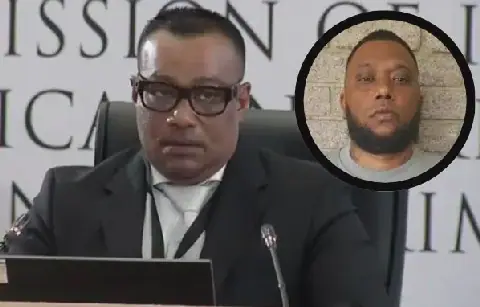
The country's situation has sparked discussions about its status as a nation. Some have raised questions about whether Sierra Leone can be considered a narco-state, given the cocaine trade's presence in the country. This discussion highlights the complexities of Sierra Leone's situation, where governance, economic, and social issues intersect with international factors.
As Sierra Leone moves forward, its leadership will need to address these challenges effectively. The country's citizens, as well as the international community, will be watching closely. The government's response to the fuel crisis, governance concerns, and economic challenges will be crucial in determining the nation's future. Key to this will be finding a balance between economic growth, social stability, and effective governance.
Key points
- The fuel crisis in Sierra Leone has significant implications for the nation's economy and citizens' daily lives.
Reporting sources
- Part 2 – Sierra Leone Visit · sierraleonetoday.co.com