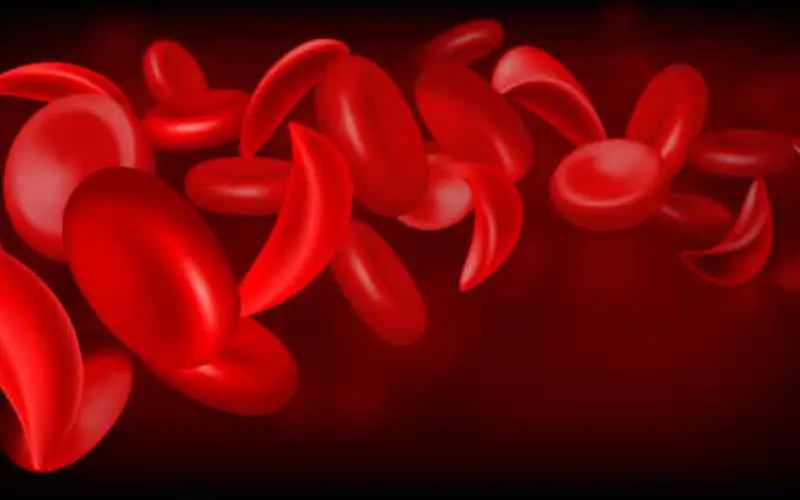
Sickle cell warriors in Bungoma County, Kenya, are advocating for mandatory sickle cell screening, particularly among couples planning to marry, to reduce the risk of children being born with the chronic disease. This call aims to promote early diagnosis and management of the condition. According to Duncan Ekaya, a 24-year-old sickle cell warrior, he was diagnosed with the condition at three months old and has faced challenges with frequent hospital admissions and regular medication.
Ekaya emphasized the importance of genotype testing before marriage, urging couples to seek professional counseling to understand the possible health implications for their children. He noted that sickle cell disease is a genetic blood disorder, not caused by witchcraft or curses, and requires proper medical care and community support. Ekaya's journey with the condition has been challenging, but he credits his parents for their support in ensuring he receives necessary medical attention.
A free medical camp and sickle cell awareness outreach were held in Bungoma, bringing together sickle cell warriors, caregivers, health workers, and community members. The event provided free medical services and awareness activities aimed at improving understanding of the disease. The camp's objective was to create awareness about sickle cell disease and encourage people to know their genotype before entering into marriage, ultimately reducing the number of children born with the blood disorder.
Lilian Webala, founder and CEO of ZUW Afya Community Based Organisation (CBO), supports sickle cell warriors in Bungoma and Kisumu counties, providing medication, nutritional support, and awareness programs to about 1,450 patients. Webala's organization partnered with Bungoma County Referral Hospital and other stakeholders to organize the camp, aiming to improve access to information and services for people living with sickle cell disease.
Webala highlighted stigma as a major challenge facing people living with sickle cell disease, citing cases of patients experiencing discrimination within their families. She shared the story of a woman from Bungoma who was divorced after her husband discovered she had sickle cell disease. Webala emphasized the need for communities to understand the disease and stop discriminating against people living with sickle cell.
Webala also raised concerns about the availability and affordability of Hydroxyurea, a medicine used in managing sickle cell disease. Patients at Bungoma County Referral Hospital sometimes struggle to access the medicine, forcing them to seek it elsewhere. Webala called for improved access to essential medicines and better support for sickle cell patients under the Social Health Authority (SHA) system.
Absolom Simiyu, a sickle cell warrior and chairperson of Bungoma Sickle Cell Family, identified frequent medicine stock-outs in health facilities as a major challenge affecting patients. He leads a group of about 1,200 sickle cell warriors in Bungoma, many of whom travel to Bungoma County Referral Hospital for regular clinics. Simiyu highlighted the difficulties patients face due to congestion at the referral facility and inadequate medicines.
Key points
- Sickle cell warriors in Kenya's Western region are calling for mandatory screening to promote early diagnosis and management of the condition.
- The organization ZUW Afya CBO supports about 1,450 sickle cell warriors with medication, nutritional support, and awareness programs.
- Stigma and medicine stock-outs remain significant challenges for people living with sickle cell disease in Kenya.