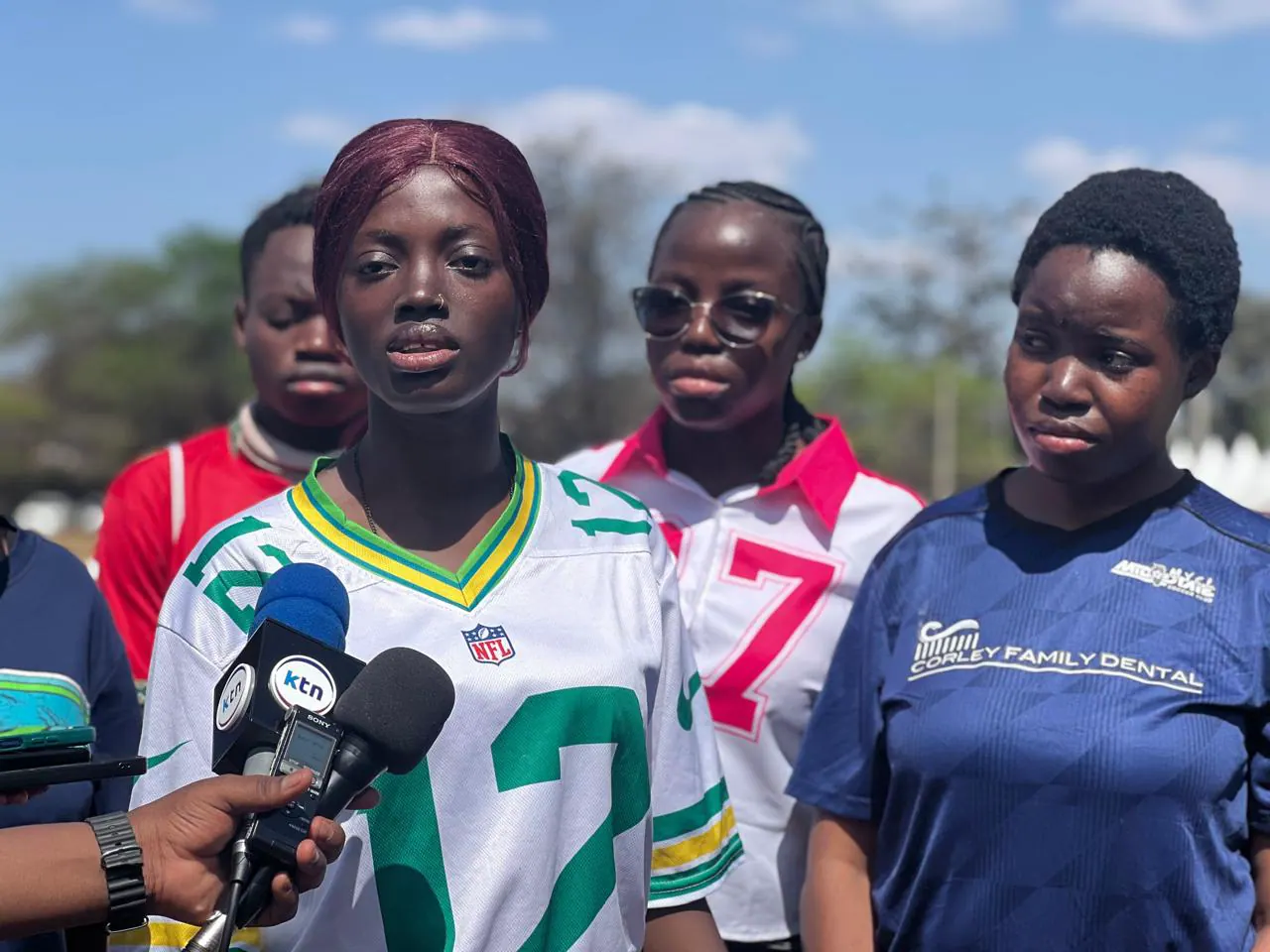
A recent charity football match in Nairobi highlighted the challenges faced by sickle-cell disease survivors in Kenya. The event, part of Sickle-Cell Awareness Month, brought attention to the struggles of living with the disease, including job loss, soaring treatment costs, and social stigma. Many survivors, like 44-year-old Judy Malila, have experienced firsthand the difficulties of managing the condition while maintaining employment.
Malila recounted being dismissed from her job after a two-week illness left her unable to work, with her employer citing the expense of her medical care as the reason for termination. Similarly, 41-year-old Etemesi Ochola was dismissed from school after failing three units while unwell, although the institution later recalled him and gave him another chance to continue his studies. These personal stories underscore the need for greater support and understanding of sickle-cell disease in Kenya.
According to the Ministry of Health, approximately 14,000 children are born with sickle-cell disease each year, with the highest prevalence in Western Kenya, Nyanza, and the Coast. The disease poses significant challenges for patients, including high medical costs and gaps in health coverage. Patients like Ochola rely on hydroxyurea, which can cost between Sh45 and Sh60 per tablet, leading to daily medication expenses of over Sh120.
The high cost of medication is compounded by limited health insurance coverage, which often restricts outpatient visits to one per month. This can be insufficient for individuals who experience multiple painful crises within a month. In response, the Children’s Sickle-Cell Foundation is piloting a revolving fund that enables hospitals to buy medicines in bulk at lower prices, while also partnering with donors to supply drugs through clinics.
Misconceptions and stigma surrounding sickle-cell disease persist, with some believing that women with the condition cannot bear children. However, Malila, a mother of two carrier sons, refutes this myth and urges the public to treat sufferers as ordinary citizens. School bullying is also a concern, as reported by 24-year-old Ivy Akoth, whose classmates thought she was feigning illness.
To address these challenges, advocates, including the foundation’s CEO Selina Ogueno, are urging the Social Health Authority to increase coverage, subsidize medication, and create more employment opportunities for people living with sickle-cell disease. International partners, such as the French Embassy and development agencies, have pledged continued support for early screening programs and training of health workers.
The charity football match, which attracted young participants, offered on-site screening for sickle-cell, hypertension, and diabetes, and raised funds for affected families. The event demonstrated the importance of community engagement and support in addressing the challenges faced by sickle-cell disease survivors in Kenya.
Key points
- The Ministry of Health estimates 14,000 children are born with sickle-cell disease annually in Kenya.
- Patients with sickle-cell disease face high medical costs, with daily medication expenses exceeding Sh120.
- Advocates are urging the Social Health Authority to increase coverage, subsidize medication, and create employment opportunities for people living with sickle-cell disease.