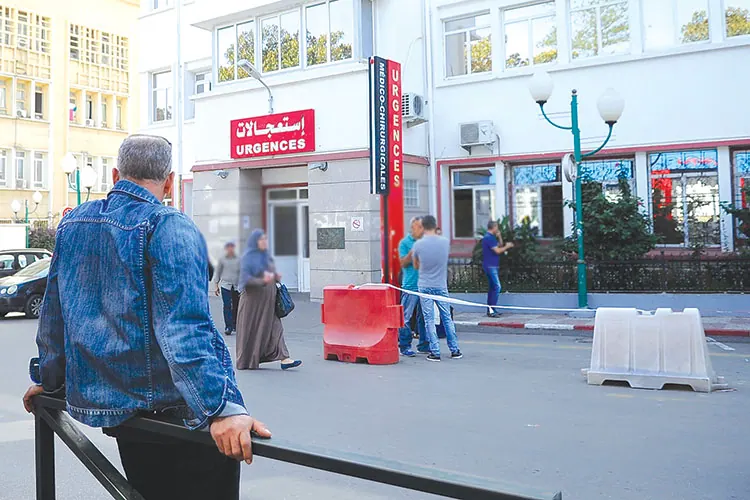
A number of Algerian doctors have spoken out about the growing problem of extended leaves of absence by their colleagues, which they say is putting additional pressure on the healthcare system. The doctors, who work in public hospitals, claim that the leaves are often extended for long periods, sometimes up to five years, and that this is leading to a shortage of medical staff. This shortage is particularly felt in specialized fields such as orthopedic surgery, general surgery, and pediatrics.
According to Dr. Hichem Malki, a surgeon at a public hospital, the problem affects several medical specialties across various regions in Algeria. He explained that when a doctor takes an extended leave, their responsibilities are often redistributed among their colleagues, leading to an increased workload. This, in turn, can lead to burnout and decreased quality of care for patients. Dr. Malki emphasized that the issue is not with the leave policy itself, but rather with the lack of planning and management to mitigate its impact on the healthcare system.
The doctors who spoke out about the issue said that many of their colleagues who take extended leaves often use this time to work abroad, particularly in Saudi Arabia and France. They argue that this creates an unfair situation where some doctors are shouldering a heavier workload while others are able to pursue opportunities outside of Algeria. The doctors also pointed out that the shortage of medical staff is particularly acute in certain regions, where there are already limited resources and infrastructure.
The Algerian Medical Association has not officially commented on the issue, but doctors who spoke to Echorouk El Yawmi said that they are calling for a more balanced approach to leave policies. They argue that doctors should be allowed to take leaves, but that this should be managed in a way that minimizes the impact on the healthcare system. This could involve introducing new regulations or incentives to encourage doctors to return to work after their leaves.
One of the doctors who spoke out about the issue, Dr. Slim, said that he and his colleagues in the Batna region are having to work long hours and travel long distances to provide medical care. He explained that the university hospital in Batna has been extended to cover two other regions, Tebessa and El Oued, which has put additional pressure on doctors and resources.
The doctors who spoke out about the issue are not calling for an end to leave policies, but rather for a more sustainable and equitable approach to managing them. They argue that this would involve finding a balance between the needs of doctors and the needs of the healthcare system. This could involve introducing new policies or incentives to encourage doctors to return to work after their leaves, or finding new ways to manage the workload during their absence.
The issue of extended leaves and staff shortages in Algerian hospitals highlights the challenges facing the country's healthcare system. With a shortage of medical staff and resources, hospitals are struggling to provide adequate care to patients. The doctors who spoke out about the issue are calling for a more sustainable and equitable approach to managing leave policies, which they believe will help to alleviate some of the pressure on the healthcare system.
Key points
- Algerian doctors are complaining of increased workload due to colleagues' extended leaves of absence.
- The shortage of medical staff is particularly acute in specialized fields such as orthopedic surgery and pediatrics.
- Doctors are calling for a more balanced approach to leave policies to minimize the impact on the healthcare system.