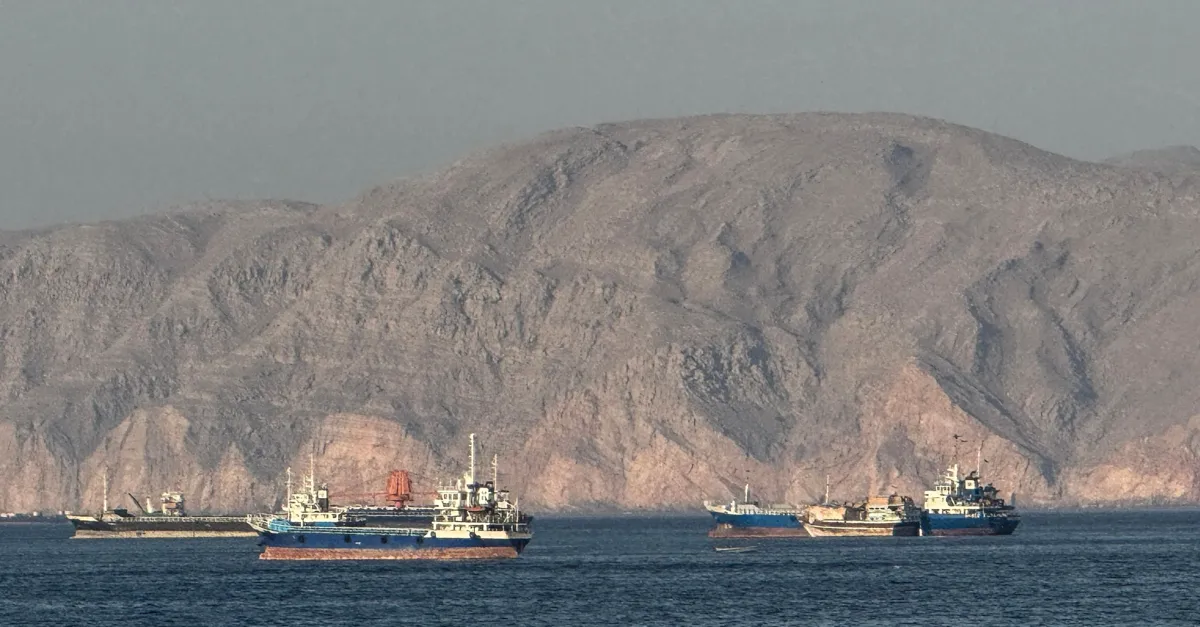
According to shipping data, the number of vessels crossing the Strait of Hormuz decreased to its lowest level in over two months, following a surge in attacks on oil tankers traversing this vital waterway last week. Data from analytics firm Kpler showed that only 7 shipping vessels crossed the strait on Tuesday, the lowest number since July 23. This development has raised concerns about the security of oil supplies from the region.
Analysts Emmanuel Pielestriano and Yu Torikata from Kpler noted that the volume of crude oil transported through the strait decreased by 27% from its peak during the war to at least 10.1 million barrels per day last week. This represents a return to the average seen in September but is 74% of the pre-war level. The decline was mainly due to a drop in ship-to-ship transfers in the Gulf of Oman, where cargo is typically transferred between vessels.
Despite the decrease in oil volumes through the Strait of Hormuz, the analysts reported that total crude oil exports from the Middle East remained at pre-war levels. This was largely due to increased shipments from the Gulf of Oman and the Red Sea, which rose to 6.7 million barrels per day, more than double the pre-war levels. The surge in exports from these regions offset the decline in supplies from the Strait of Hormuz.
The number of vessels crossing the Strait of Hormuz slightly increased to 10 on Wednesday, but it remained significantly lower than the daily average of over 20 vessels seen on Sunday and Monday. The recent attacks on oil tankers have raised concerns about the security of shipping in the region and the potential impact on global oil supplies.
The Strait of Hormuz is a critical waterway for global oil supplies, with a significant portion of the world's oil exports passing through it. Any disruption to shipping through the strait can have significant impacts on global oil markets and prices. The recent decline in ship traffic through the strait has raised concerns about the potential for further disruptions.
The situation in the Strait of Hormuz remains uncertain, with tensions in the region running high. The impact of the recent attacks on oil tankers and the decline in ship traffic through the strait will be closely watched by oil market participants and analysts. The security of shipping in the region is crucial for maintaining stable oil supplies and prices.
The incident highlights the fragile situation in the region and the need for continued monitoring of the situation.
Key points
- The number of vessels crossing the Strait of Hormuz dropped to 7 on Tuesday, the lowest level in over two months.
- Crude oil exports from the Middle East remained at pre-war levels despite the decline in shipments through the Strait of Hormuz.
- Increased exports from the Gulf of Oman and the Red Sea offset the decline in supplies from the Strait of Hormuz.