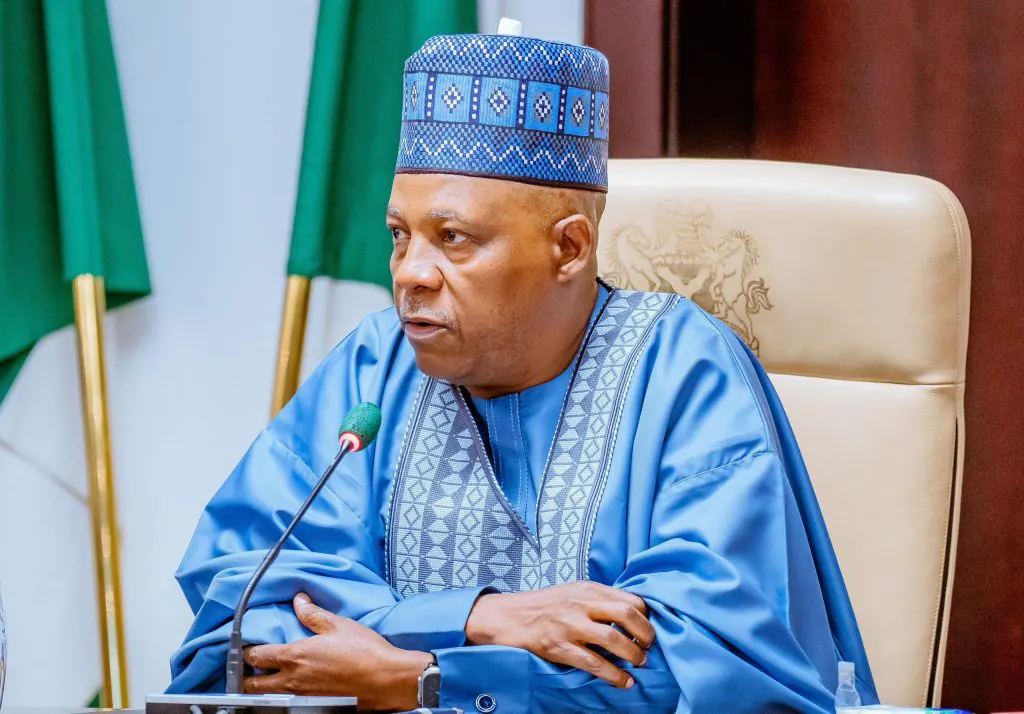
Vice-President Kashim Shettima has urged Africa to stop exporting its mineral resources as raw materials and instead use them to drive industrialisation, create jobs, and improve living standards. He made this call at the Third High-Level Roundtable of the Africa Minerals Strategy Group (AMSG) in New York, held on the sidelines of the 81st United Nations General Assembly. The meeting focused on "From Resources to Wealth: Continental Cooperation for Mineral Value Addition" and brought together African governments, investors, and stakeholders in the mining sector.
Shettima emphasised that Africa's vast mineral deposits would only become truly valuable when they translated into better economic opportunities for its people. He criticised the long-standing pattern under which Africa exports raw minerals and subsequently imports finished products made from those same resources at much higher prices. The Vice-President urged African countries to strengthen cooperation, increase local processing, and develop industries around minerals that are becoming increasingly important to the global economy.
The Vice-President also called on members of the strategy group to develop bankable projects capable of attracting investment into mineral processing, manufacturing, and other value-adding activities. Such investments, he said, should generate employment, accelerate industrial development, and ensure that communities where minerals are extracted benefit directly from the resources found in their environment. This approach, he believes, will improve the continent's bargaining position and enable it to retain a larger share of the value generated by global supply chains.
Nigeria's Minister of Solid Minerals Development and Chairman of the AMSG, Dr Dele Alake, focused attention on the need to reform the continent's approach to artisanal mining. Alake said African governments should differentiate between artisanal miners who depend on mining for their livelihoods and criminal operators engaged in illegal mining. He advocated a formal system that would allow legitimate artisanal miners to operate within the law, while maintaining sanctions against illegal mining.
Alake raised concern about repeated mine-site collapses across Africa, saying the loss of lives in such incidents underscored the need for improved safety regulations and stronger oversight. Formalising artisanal mining, he said, would give miners access to safer working environments, training, appropriate equipment, financing, and government supervision. This approach could also strengthen mineral traceability and help curb smuggling, environmental damage, and other problems associated with unregulated mining.
Kenya's Cabinet Secretary for Mining, Blue Economy and Maritime Affairs, Hassan Ali Joho, called for African countries to share more geological and mineral data. The AMSG, which has more than 30 African member countries, is seeking a stronger collective African position on mineral governance, local processing, and participation in global mineral supply chains. Among the measures being promoted by the group are harmonised mining policies, shared infrastructure, regional processing hubs, and improved geological data systems.
President Bola Tinubu, who chairs the AMSG General Assembly, has previously called for greater continental cooperation to ensure Africa does not remain primarily an exporter of raw materials to industrialised economies. The meeting in New York had in attendance several high-profile individuals, including Minister of Foreign Affairs Bianca Odumegwu-Ojukwu, Nigeria's Permanent Representative to the UN, Amb. Jimoh Ibrahim, and several state governors.
Key points
- Africa must stop exporting raw minerals and instead use them to drive industrialisation and create jobs.
- The Africa Minerals Strategy Group is promoting measures such as harmonised mining policies and shared infrastructure to achieve a stronger collective African position on mineral governance.
- Formalising artisanal mining can help improve safety regulations, curb smuggling, and strengthen mineral traceability.