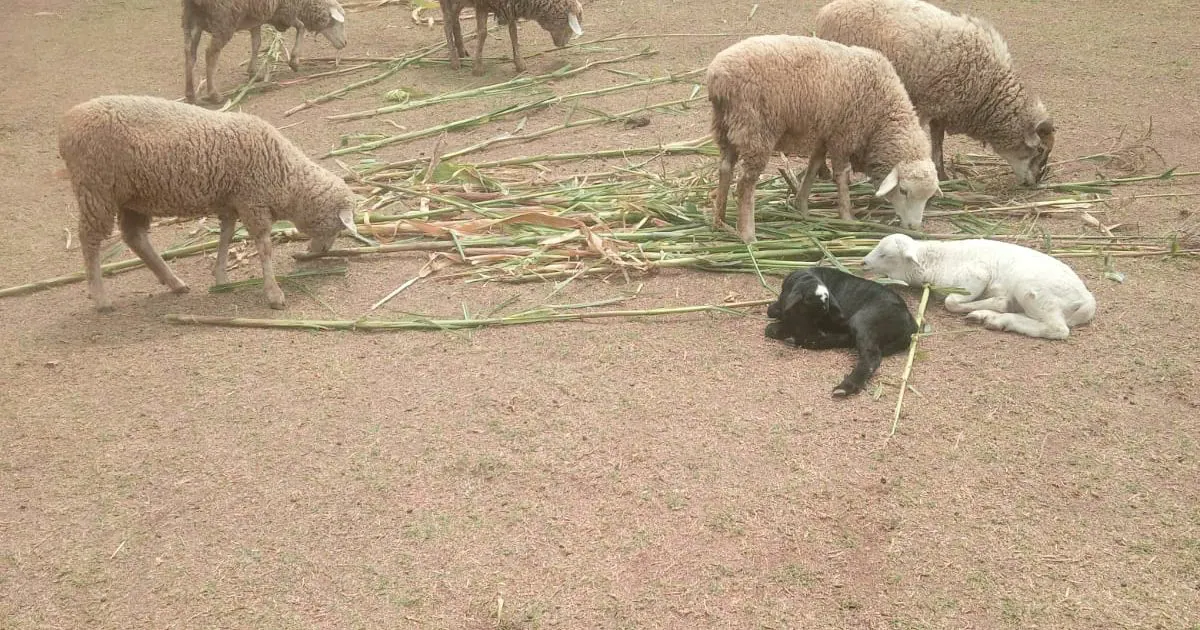
Sheep farming is gaining traction in Marakwet West, Kenya, as farmers like Gladys Kanda find it a lucrative venture. Kanda views her flock as an investment that can multiply and become a source of income. She appreciates that sheep grow relatively fast and reproduce within a short period, making them attractive. The animals' ability to give birth to twins at a go is particularly appealing, as it accelerates numerical growth.
The combination of reproduction and market demand has made sheep rearing increasingly attractive to some farmers in Marakwet West. Unlike cattle, sheep require less space and have manageable feeding requirements, enabling households to combine sheep keeping with crop farming and other livelihood activities. Farmers can keep the flock for breeding and sell selected animals when financial need arises, making it a flexible enterprise.
Another farmer, Kiprono Yator, said sheep keeping offered farmers an opportunity to gradually build their livestock wealth. A farmer does not have to wait for many years before benefiting from sheep. Once the flock starts increasing, some animals can be sold while others are retained for breeding. This makes sheep suitable for farmers seeking an enterprise that could generate both short-term income and longer-term livestock assets.
The demand for mutton in Kapsowar town and surrounding areas is a significant factor in the growing popularity of sheep farming. A local butcher, Wilson Koech, confirms that mutton is preferred in Kapsowar town, and there is high demand, making it easier to absorb a sheep carcass than that of larger animals. The smaller quantity of meat from a sheep allows traders to match slaughtering with the number of customers, reducing the risk of unsold meat.
The cycle of sheep farming in Kapsowar involves farmers breeding and raising sheep, traders purchasing the animals, and butchers providing mutton to consumers. The money then flows back through the value chain, encouraging farmers to continue producing. Kanda said the availability of buyers gives farmers confidence to expand their flocks because they know that mature animals can be sold when the need arises.
However, farmers should view sheep keeping as a business requiring proper management rather than simply allowing animals to multiply. Kanda advises farmers to pay attention to feeding, water, shelter, disease prevention, and breeding so that the flock remains healthy and productive. Selective selling and retaining good breeding animals are also crucial to ensure the flock continues to grow.
As more households embrace livestock farming as a business, sheep could provide an accessible entry point for farmers who cannot afford the capital and land requirements associated with cattle. With their relatively fast growth, reproductive potential, and suitability for small-scale farmers, sheep are gradually finding a stronger place in the livestock economy of Marakwet West.
Key points
- Sheep farming is becoming popular in Marakwet West due to the animals' fast growth rate and high reproductive potential.
- The strong market demand for mutton in Kapsowar town and surrounding areas is driving the growth of sheep farming.
- Proper management, including feeding, water, shelter, disease prevention, and breeding, is crucial for a successful sheep farming enterprise.