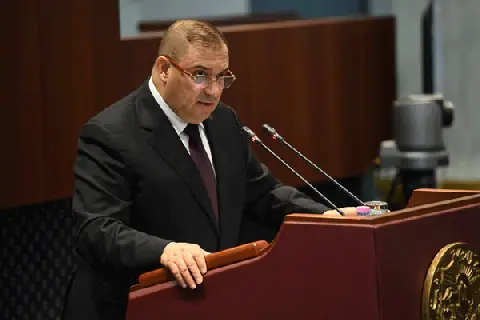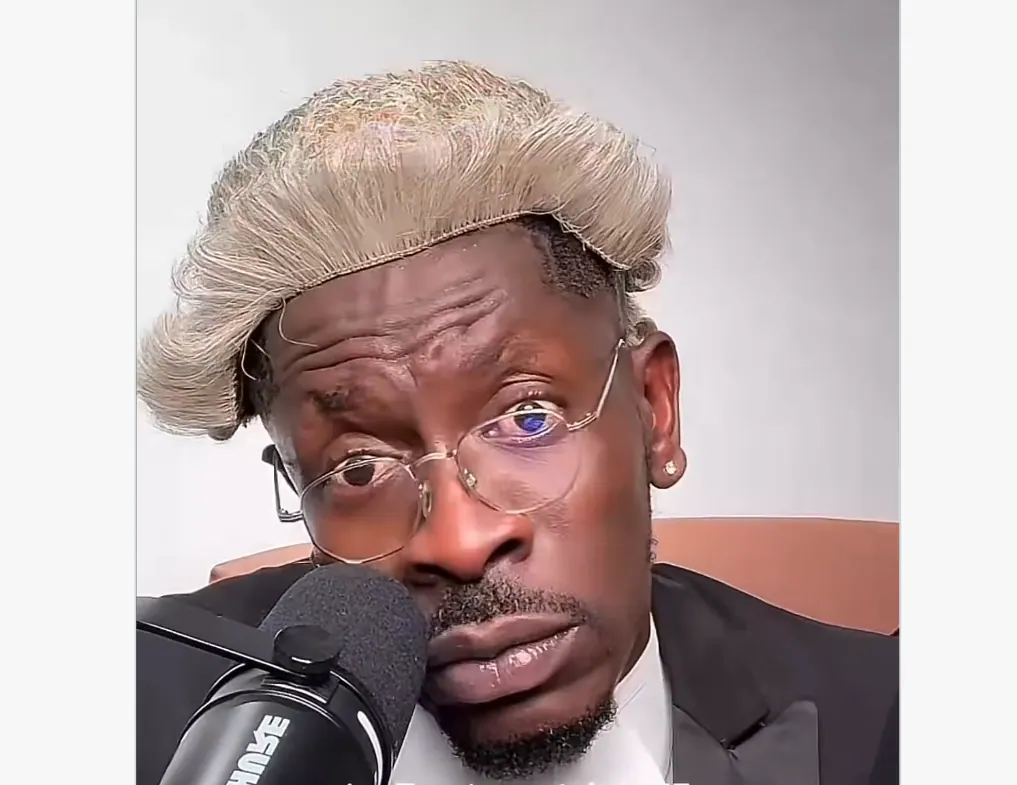
Ghanaian dancehall artiste Charles Nii Armah Mensah Jr., popularly known as Shatta Wale, has written an open letter to President John Dramani Mahama, dated September 28, 2026, calling for a national response to address the growing misuse of social media platforms. In his letter, Shatta Wale emphasized the need for a balanced legal and regulatory framework to address defamation, harassment, and abuse on social media without undermining freedom of expression. This move comes as part of his efforts to contribute to the conversation on responsible online behavior and the protection of citizens' rights.
Shatta Wale's personal experience of being subjected to unverified allegations and public ridicule has given him a deeper understanding of the problem. He argued that while freedom of speech and media freedom are guaranteed under the 1992 Constitution, they should not be interpreted as a license to threaten, harass, or knowingly spread damaging falsehoods. The artiste stressed that citizens should be able to criticize public officials without fear of retribution, but also acknowledged the need for accountability for harmful online conduct.
In his letter, Shatta Wale proposed that Parliament, the Judiciary, security agencies, media organizations, and civil society groups develop a clearly defined legal framework for serious and proven online misconduct. This framework should include due process and independent judicial oversight to ensure that citizens are protected while also being held accountable for their online actions. Additionally, he suggested that any framework should expressly protect legitimate criticism, journalism, satire, and political expression.
Shatta Wale also called for social media platforms operating in Ghana to strengthen account verification and cooperate with lawful, court-ordered requests to identify accounts involved in proven cases of harassment or defamation. He emphasized that such measures should not require every citizen to surrender anonymity as a condition for participating in public discourse. The artiste's proposals aim to strike a balance between protecting citizens' rights and promoting responsibility in public discourse.
On possible sanctions, Shatta Wale suggested that Parliament could consider proportionate penalties for specific conduct deemed criminal, including short custodial sentences of not more than one month. He emphasized that the focus should be on deterrence and correction rather than punishment. Furthermore, he cautioned against any new legislation that effectively reintroduces criminal libel, noting Ghana's repeal of criminal libel in 2001.
Shatta Wale also stressed the importance of public education on responsible online behavior to accompany any legal reforms. He urged authorities to involve the creative industry in the consultation process to ensure that the needs and concerns of all stakeholders are taken into account. The artiste's goal is not to silence citizens but to promote responsibility in public discourse while preserving democratic freedoms.
In conclusion, Shatta Wale's open letter to President Mahama highlights the need for a balanced approach to addressing social media abuse and defamation in Ghana. His proposals aim to promote responsibility in public discourse while protecting citizens' rights and freedoms. The issue remains a pressing concern, and it is hoped that the authorities will take Shatta Wale's suggestions into consideration as they work towards finding a solution.
Key points
- Shatta Wale calls for a balanced legal framework to address social media abuse and defamation.
- The artiste proposes measures to strengthen account verification on social media platforms.
- Shatta Wale emphasizes the importance of public education on responsible online behavior.