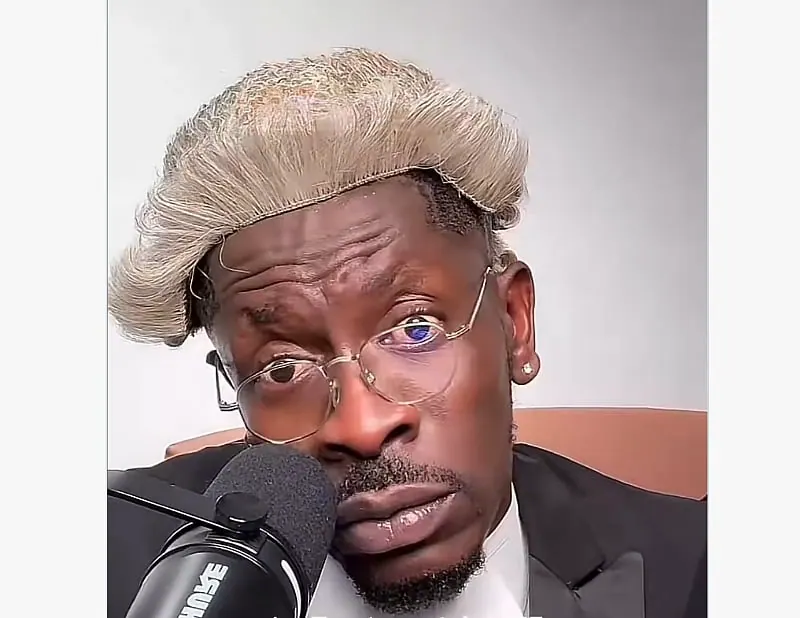
Ghanaian musician and entrepreneur Charles Nii Armah Mensah Jr., popularly known as Shatta Wale, has appealed to President John Dramani Mahama to support the development of a balanced legal framework to address defamation, harassment, and abuse on social media. In an open letter dated September 28, 2026, Shatta Wale emphasized the need for a balanced approach that protects freedom of expression while tackling abusive online conduct. This appeal comes after President Mahama raised concerns about misinformation and abusive communication on digital platforms at a town hall meeting with the Ghanaian community in New York.
Shatta Wale argued that public ridicule and the spread of unverified allegations did not begin with social media, as similar conduct had previously been associated with sections of entertainment commentary. He noted that social media now allows individuals to disseminate information instantly to large audiences, exposing traditional leaders, businesspeople, journalists, public officials, and ordinary citizens to various forms of online abuse. The musician acknowledged the constitutional protection of freedom of speech and media freedom but stressed that those rights should not be used to justify threats, harassment, or the deliberate circulation of harmful false information.
Shatta Wale called for collaboration between Parliament, the Judiciary, security agencies, media organisations, and civil society groups to develop a clearly defined legal framework to deal with serious and proven cases of online misconduct. He advocated for independent judicial oversight and strict adherence to due process whenever sanctions are imposed. Additionally, the musician urged policymakers to ensure that legitimate criticism, journalism, satire, and political expression remain protected, emphasizing that no citizen should be punished for criticising a President, public official, or public figure.
The musician proposed engagement with social media companies operating in Ghana on issues including account verification and cooperation with lawful, court-approved requests to identify accounts involved in proven cases of harassment or defamation. However, he cautioned against making anonymity a condition that citizens must surrender before participating in public discourse. Shatta Wale also suggested that Parliament could consider proportionate penalties if certain forms of online misconduct are eventually classified as criminal offences.
Shatta Wale referred to Ghana’s repeal of criminal libel in 2001, urging policymakers to ensure that any new legislation does not effectively recreate criminal libel through another legal mechanism. He called for greater public education on responsible social media use and urged the government to involve stakeholders in the creative industry at an early stage of any discussions on legal reforms. The musician emphasized that the goal is not to silence citizens but to restore responsibility to public conversation while preserving the freedoms on which Ghana's democracy stands.
Shatta Wale proposed short custodial sentences of no more than one month for certain forms of online misconduct, stressing that the primary purpose of any sanction should be deterrence and correction rather than punishment for its own sake. He expressed his readiness to contribute to the national discussion on finding a balance between protecting citizens from online abuse and safeguarding fundamental freedoms.
The musician concluded by emphasizing the importance of a balanced approach to addressing social media abuse, one that protects citizens from harm while preserving the freedoms that underpin Ghana's democracy. His appeal has sparked a national conversation on the need for effective regulation of social media in Ghana.
Key points
- Shatta Wale urges President Mahama to develop a balanced legal framework to address social media abuse.
- The musician emphasizes the need to protect freedom of expression while tackling abusive online conduct.
- Shatta Wale proposes engagement with social media companies and independent judicial oversight to ensure effective regulation.