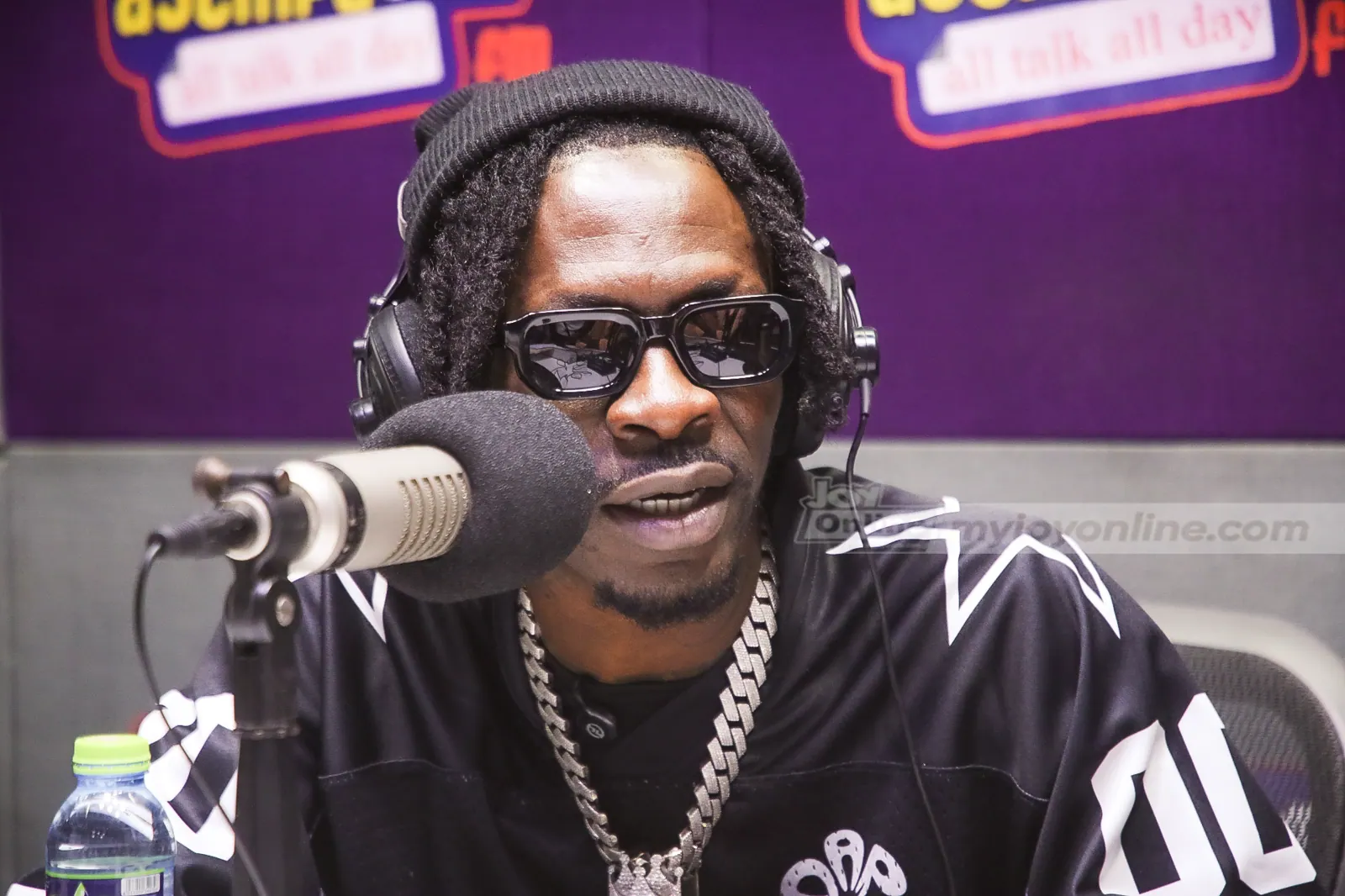
Ghanaian artiste Charles Nii Armah Mensah Jr., popularly known as Shatta Wale, has proposed a balanced framework to address defamation, harassment, and other forms of abuse on social media. In an open letter to President John Dramani Mahama, Shatta Wale emphasized the need for clearly defined laws, due process, and independent judicial oversight to guide Ghana's response to harmful online content. This proposal comes after President Mahama called for a national stakeholder dialogue on regulating new media platforms like TikTok.
President Mahama's call for a national dialogue was made during a town hall meeting with Ghanaians in New York on September 25. He expressed concerns about the growing use of TikTok and other platforms, citing challenges around misinformation, insults, and information integrity. The President urged the Ghana Journalists Association (GJA) and the Media Foundation for West Africa (MFWA) to bring relevant stakeholders together to determine how new media should be regulated.
Shatta Wale's proposal was informed by his experience as a public figure who has been subjected to unverified allegations and public ridicule. He argued that the problem of online abuse did not begin with social media but evolved from entertainment commentary and online comment sections. The consequences of online abuse now extend beyond celebrities to traditional leaders, businesspeople, journalists, public officials, and ordinary citizens.
Shatta Wale stressed that freedom of speech and freedom of the media, guaranteed by Ghana's 1992 Constitution, must remain protected. However, he said those freedoms should not be interpreted as a licence to threaten, harass, or knowingly spread damaging falsehoods. He proposed that Parliament, the Judiciary, security agencies, media institutions, and civil society collaborate to establish a clearly defined legal framework for serious and proven online misconduct.
Shatta Wale's proposal includes several key recommendations. He suggested that social media platforms operating in Ghana strengthen account verification, building on the existing Ghana Card and SIM registration system. He also proposed that platforms cooperate with lawful, court-ordered requests to identify accounts behind proven cases of harassment or defamation. Additionally, he cautioned against making the surrender of anonymity a blanket requirement for participating in public discourse.
Regarding penalties for online misconduct, Shatta Wale suggested that short custodial sentences of not more than one month could be considered for specific offences. He urged caution in drafting any new legislation to ensure that it does not effectively recreate criminal libel, which was repealed in Ghana in 2001. Shatta Wale also called for public education on responsible online conduct to form part of any reform.
Shatta Wale's proposals seek to balance accountability with constitutional freedoms, rather than suppress public criticism. He emphasized that the goal is not to silence citizens but to restore responsibility to public conversation while preserving the freedoms on which Ghana's democracy stands. Shatta Wale remains available to contribute to the national dialogue on the future of social media regulation in Ghana.
Key points
- Shatta Wale proposes a balanced framework to tackle social media abuse while protecting freedom of expression.
- The framework should include clearly defined laws, due process, and independent judicial oversight.
- Shatta Wale's proposal seeks to balance accountability with constitutional freedoms, rather than suppress public criticism.