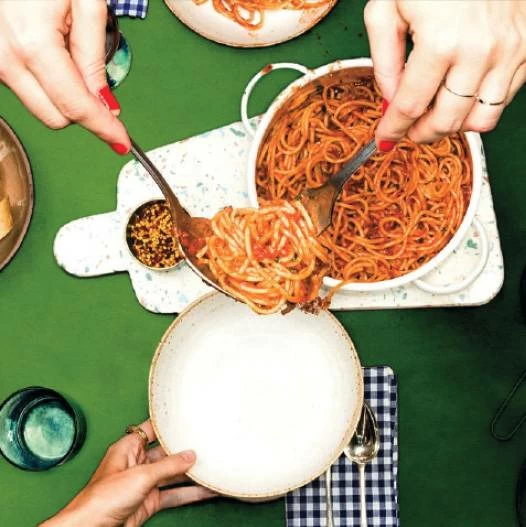
A recent study by researchers at the Zhejiang Provincial Center for Disease Control and Prevention in China found a significant link between the number of people an individual shares meals with and the risk of depression. The study, which surveyed 9,361 women aged 60 and above, revealed that those who shared meals with others had lower rates of depression. This correlation remained even after adjusting for other factors such as health status, financial situation, and living arrangements.
Another study conducted in Tokyo found that older adults who lived with their families but ate alone were more likely to experience depression compared to those who regularly shared meals with others. These findings suggest that sharing meals can have a unique impact on mental health, beyond simply having others present in one's environment. The study's results highlight the importance of social connections in maintaining good mental health.
The Global Happiness Report, which is based on international surveys measuring levels of wellbeing, also found a link between sharing meals and improved mental health. The 2024 report included questions about eating habits, including the number of days participants shared meals with others during the previous week. The analysis revealed a consistent correlation between the frequency of shared meals and higher levels of psychological wellbeing.
Sharing meals can also have a biological impact on our mental health. According to Robin Dunbar, a biological anthropologist at the University of Oxford, eating with others can stimulate the release of endorphins, which are associated with feelings of happiness and euphoria. This can help strengthen social bonds and improve our overall mood.
The benefits of sharing meals extend beyond mental health to social connections and relationships. Eating with others can provide a natural setting for communication, trust-building, and a sense of belonging. In today's increasingly isolated society, sharing meals can be a simple yet effective way to foster social connections and improve our overall wellbeing.
The Egyptian media has highlighted the importance of sharing meals in building stronger social relationships and improving mental health. As people increasingly lead busy lives and spend more time alone, it is essential to prioritize sharing meals with others. By doing so, we can reap the benefits of improved mental health, stronger social connections, and a greater sense of community.
In conclusion, sharing meals with others can have a significant impact on our mental health and social connections. By incorporating this simple yet effective practice into our daily lives, we can improve our overall wellbeing and build stronger relationships with those around us. As research continues to emerge on the benefits of sharing meals, it is clear that this age-old practice is an essential part of maintaining good mental health and social connections.
Key points
- Sharing meals with others can reduce the risk of depression and improve mental health.
- Eating with others can stimulate the release of endorphins, which are associated with feelings of happiness and euphoria.
- Sharing meals can provide a natural setting for communication, trust-building, and a sense of belonging.