Shanta Gold is preparing to start its gold project in Siaya County's Ramula and Mwimbona mining belts and has announced that families in the area will be asked to choose between relocating ancestral graves or receiving financial compensation. The company will work directly with each household to set timelines, identify new burial sites, and arrange customary rites for any relocations. This move is part of the company's efforts to engage with the community and address concerns about the impact of the project on local residents.
During a recent stakeholder consultation, Shanta Gold's Senior Community Liaison Superintendent Bernard Ochieng outlined the company's plans for grave relocation. He said that the company will cover all costs associated with court permits, public-health officer involvement, and traditional ceremonies required for the exhumation process. This is expected to alleviate some of the concerns and burdens on families who may be required to relocate ancestral graves.
For families opposed to moving remains, Shanta Gold is developing a hybrid framework that offers a standardized cash payout per grave as an alternative to physical relocation. The company is still refining the final valuation figures and compensation guidelines following feedback from community members and local organizations. This approach aims to provide a fair and transparent process for families who do not wish to relocate their ancestral graves.
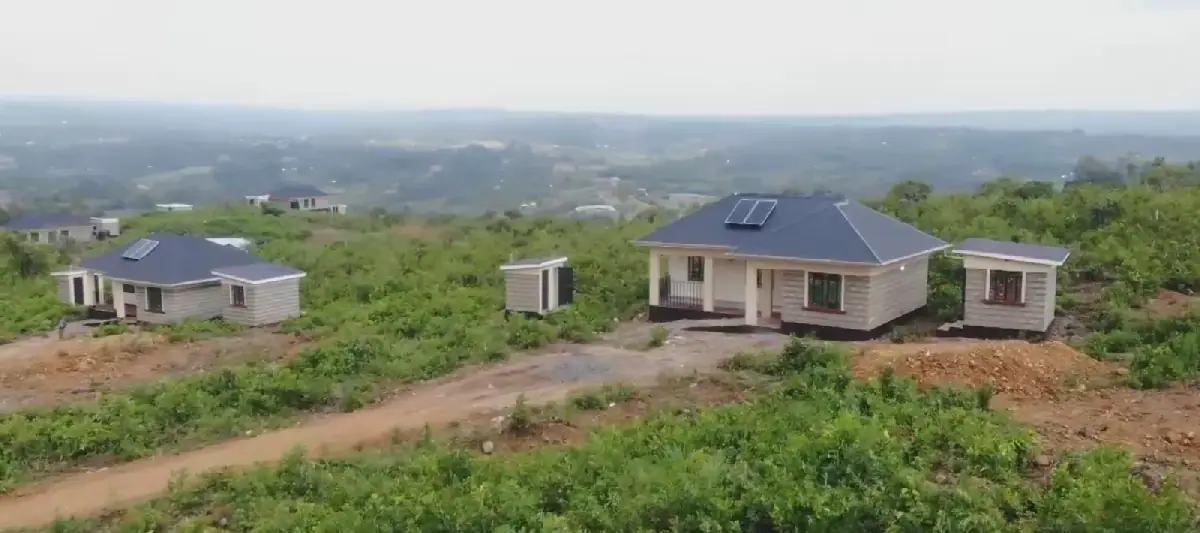
The grave-relocation component forms part of a broader Resettlement Action Plan that was launched after socio-economic surveys conducted in 2024. Shanta Gold reports that it has verified assets for 980 households within the mining footprint, issuing formal compensation offers to 716 of them. This plan is designed to minimize the impact of the project on local communities and ensure that affected families receive fair compensation.
To date, 389 families have received cash payouts and 101 households have completed physical resettlement, according to project records. Shanta Gold has partnered with the National Museums of Kenya to protect unmapped graves and historic sites during early excavation, ensuring any unexpected human remains or artifacts are documented and re-interred with cultural dignity. This partnership highlights the company's commitment to responsible and culturally sensitive practices.
The company has emphasized its commitment to working directly with each household to address concerns and provide support throughout the relocation process. By engaging with local communities and providing fair compensation, Shanta Gold aims to build trust and ensure a smooth transition for affected families. The company's efforts to engage with the community and address concerns are crucial to the success of the project.
Shanta Gold's gold project is a multi-billion-shilling investment that is expected to have a significant impact on the local economy. However, the company is aware of the potential risks and challenges associated with the project, particularly with regards to the relocation of ancestral graves. By prioritizing community engagement and fair compensation, Shanta Gold is taking steps to mitigate these risks and ensure a positive outcome for all stakeholders.
Key points
- Shanta Gold will work directly with households to relocate ancestral graves or provide cash payouts.
- The company has verified assets for 980 households within the mining footprint.
- Shanta Gold has partnered with the National Museums of Kenya to protect unmapped graves and historic sites.