Kenya's housing drive is facing a significant funding shortfall that could slow down work on hundreds of projects. The Parliamentary Budget Office (PBO) has found that Sh118.3 billion will be needed beyond the amount set aside for the programme in the 2026-27 financial year. This funding gap has emerged as 176 housing projects remain stalled, raising concerns over the government's ability to keep the wider programme moving and complete projects within the planned timelines.
The PBO says Sh228.3 billion is required in the new financial year to fund projects already under way, but the government has provided only Sh110 billion. This shortage could lead to more projects being halted, while delayed payments to contractors may result in penalties and add to the cost of construction. Longer completion periods could also push up the overall cost of the projects, further increasing the financial pressure facing the programme.
The State Department for Housing and Urban Development is managing 1,186 projects spread across four portfolios, with an estimated combined cost of Sh1.8 trillion. By the end of June, only Sh198 billion had been spent on development, leaving about Sh1.56 trillion of the projects without financing. The PBO has linked the slow pace of implementation partly to financial constraints, which it says have become a major factor behind projects taking longer to progress or being stopped altogether.
The programme consists of 227 affordable housing projects with a combined value of Sh825 billion. There are also 216 social housing and slum upgrading projects valued at Sh228 billion, 329 institutional and student housing projects worth Sh634 billion and 414 social and physical infrastructure projects estimated at Sh71 billion. The four portfolios were introduced in 2023 and are scheduled for completion by 2032.
However, by the close of the 2025-26 financial year, 176 of the 1,186 projects had stalled, while 1,010 remained under implementation. Affordable housing accounted for 16 of the stalled projects, while 22 social housing and slum upgrading projects had stopped. Institutional and student housing recorded the largest number of stalled projects at 91, followed by 47 social and physical infrastructure projects.
The financing pressure comes despite continued collections from the affordable housing levy, which is the main source of money for the National Housing Development Fund. The levy had brought in Sh205.7 billion by the end of the 2025-26 financial year. Collections rose steadily during the period under review, from Sh53.4 billion in 2023-24 to Sh73.2 billion in 2024-25 and Sh79.1 billion in 2025-26.
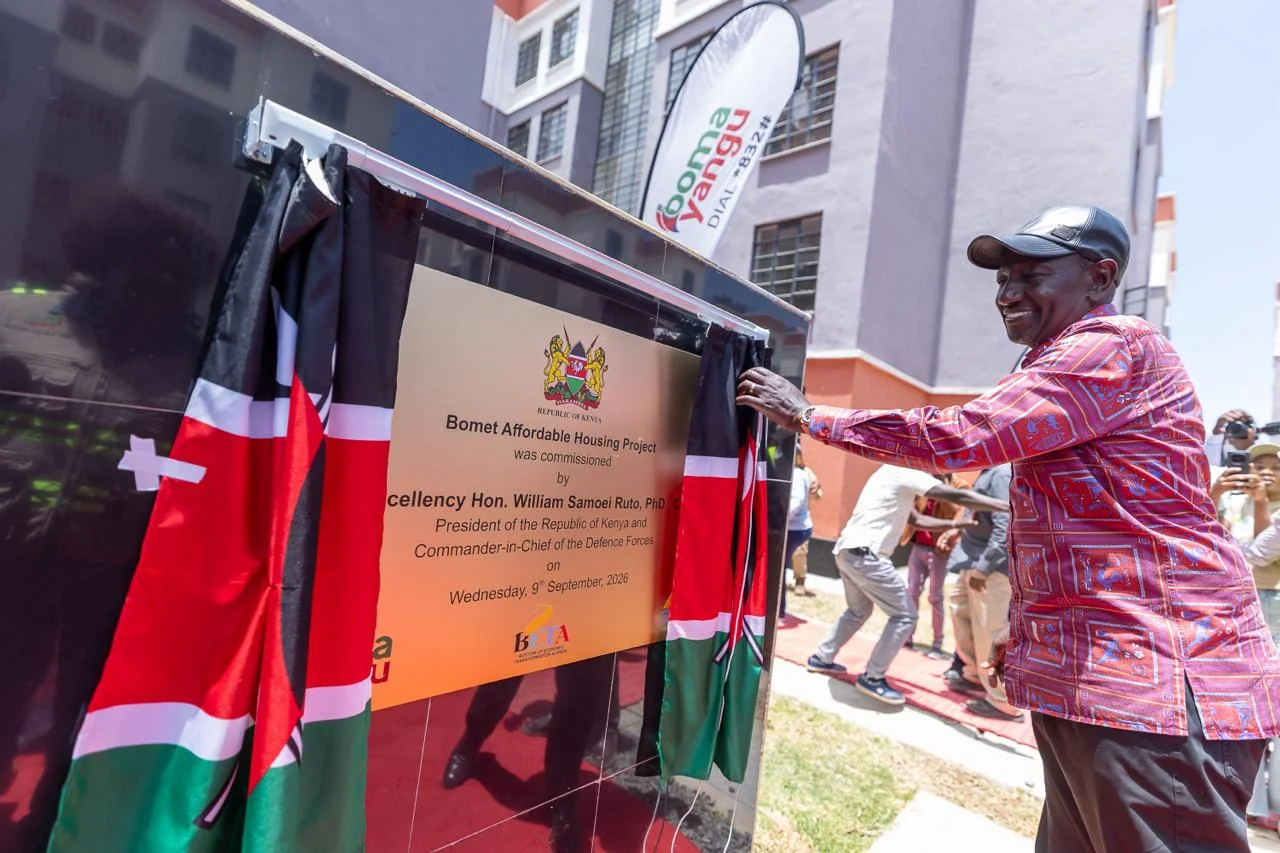
The PBO’s findings place the funding needs of ongoing projects at the centre of the programme’s implementation challenges as the government enters the 2026-27 financial year. President William Ruto has been keen to drive the affordable housing agenda, commissioning an affordable housing project in Bomet County on September 9, 2026. The National Housing Development Fund had spent Sh202.8 billion by the end of the financial year, with Sh198 billion used for development activities.
Key points
- The funding gap could expose the Affordable Housing Programme to more fiscal and operational challenges.
- 176 housing projects have stalled due to financial constraints.
- The government has provided only Sh110 billion for the programme, short of the Sh228.3 billion required.