The Algerian war of liberation, which began on November 1, 1954, garnered significant support from various countries and individuals globally. Several Arab states and non-aligned countries, including China, recognized the National Liberation Front (FLN) as the legitimate representative of the Algerian people. This recognition led to a substantial influx of aid from these countries. For many nations, such as China, Yugoslavia, Egypt, Sudan, Syria, Iraq, Yemen, and Saudi Arabia, the Algerian cause was an integral part of the struggle against oppression.
The League of Arab States, established in 1945, had committed to supporting Algeria's independence. Egypt, in particular, provided unwavering support to the Algerian cause. On November 1, 1954, the declaration announcing the start of the revolution was broadcast on Cairo Radio. Similarly, the official announcement of the creation of the Provisional Government of the Algerian Republic (GPRA) was made in Cairo on September 19, 1958. Ferhat Abbas, a key figure, made his first public statement in Cairo, outlining the circumstances surrounding the formation of the GPRA.
Despite facing difficulties and pressures, including an aggression against its territory in the fall of 1956, Egypt's military support for the Algerian war of liberation did not waver. Many Syrians, including medical professionals, actively participated alongside Algerians during the revolution. One notable example is the former president, Noureddine Al Atassi, who lent his name to the Bologhine hospital. He had been part of the maquis, particularly along the Algerian-Tunisian border, and remained in Algiers during the early years of independence before returning to Syria.
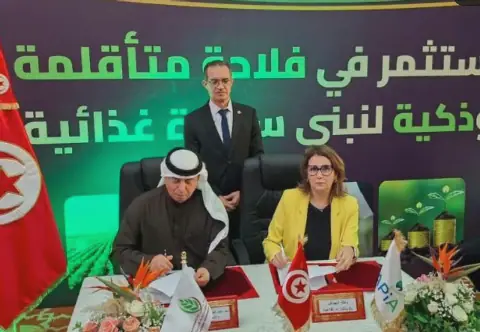
Tunisia played a significant role in supporting the Algerian revolution by hosting the border army and general headquarters in the frontier region. The close relationship between the two nations, united against colonialism, was highlighted on February 8, 1958, when French aviation bombed the Tunisian village of Sakiet Sidi Youcef, killing 70 Tunisians and Algerians and injuring 140. This event marked a turning point in Tunisia's stance, leading to full support for the Algerian cause and enabling the FLN to establish a lasting military base for supplying arms and personnel to the internal maquis.
The battle of Issine exemplified the cohesion and solidarity between Algerians and Libyans, as their blood mixed in the battle for honor, symbolizing the sacrifice and support of brotherly countries for the national liberation war. Iraq was the first country to recognize the GPRA, mere minutes after its proclamation. Iraq also contributed to building the Algerian state after independence, particularly in education and hydrocarbons. Saudi Arabia demonstrated its support through actions, with King Salman bin Abdulaziz leading the main commission for collecting funds for Algeria.
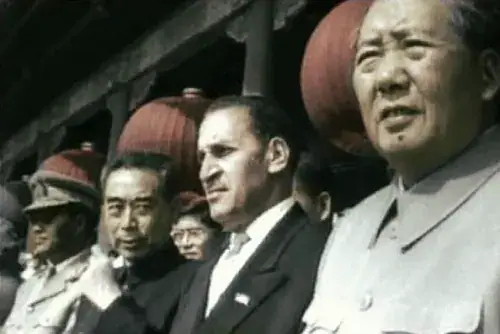
The Saudi representative to the United Nations, Ahmed Echakiri, drew attention to the suffering of the Algerian people on January 5, 1955. He successfully convinced 14 African and Asian states of the importance of including the Algerian cause on the agenda of the UN General Assembly. China, which saw affinities with Algeria's anti-colonial struggle, provided significant political and military assistance, being the first non-Arab country to recognize the GPRA. The first shipments of arms delivered to the revolution bore China's signature.
The support from various countries played a crucial role in Algeria's fight for independence. China, Egypt, Syria, Tunisia, Iraq, and Saudi Arabia, among others, provided substantial aid, which contributed to the ultimate success of the revolution. The international community's recognition of the GPRA as the legitimate representative of the Algerian people further solidified the country's path to independence.
Key points
- Several countries, including Egypt, China, and Iraq, provided significant support to Algeria's war of liberation.
- The League of Arab States and non-aligned countries recognized the FLN as the legitimate representative of the Algerian people.
- The support from brotherly countries was instrumental in Algeria's ultimate gain of independence.