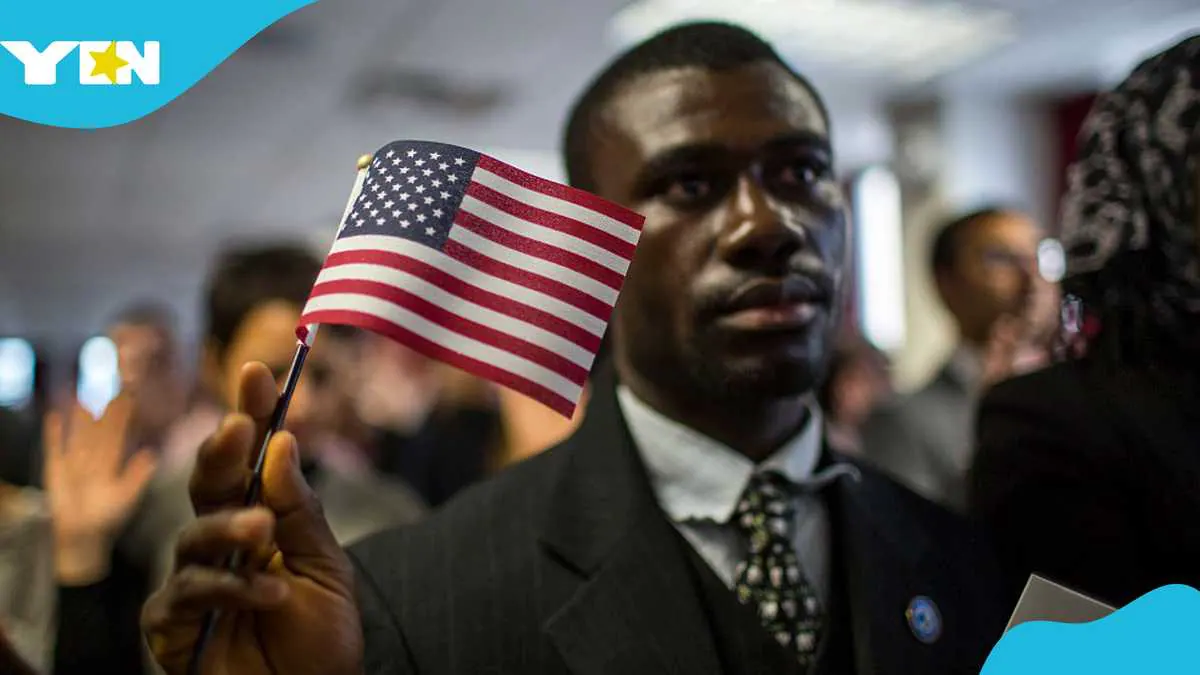
Several countries have established legal pathways allowing certain foreigners to obtain citizenship without paying the standard application fee. Eligibility criteria vary widely by country, covering categories such as military service, financial hardship, age, and specific historical circumstances. The exemptions span nations including the United States, the United Kingdom, and New Zealand, each with distinct qualifying conditions.
In the United States, active-duty military personnel and veterans filing under Sections 328 or 329 of the Immigration and Nationality Act are automatically exempt from the fee for Form N-400, with no additional waiver form required. Civilians who can demonstrate documented financial hardship may also apply for a full or partial fee reduction. This provision aims to support those who serve in the military and those facing financial difficulties.
The United Kingdom's Home Office operates a dedicated fee waiver scheme for children under 18 across six registration routes. Families that cannot afford the registration cost may apply online, and those approved receive a token code to complete the application at no charge. Children under the care of a local authority are exempt outright upon submitting evidence of their care arrangement, bypassing the standard waiver process entirely.
Germany offers free citizenship to some foreigners under Section 38 of its Nationality Act. Six categories are fully exempt from the standard 255 euro naturalisation fee, including individuals naturalised under Article 116 of the country's Basic Law and those processed under Section 15 of the Nationality Act. Former German nationals who lost citizenship through marriage to a foreign national and individuals making acquisition declarations under Section 5 are also eligible.
France extends fee waivers to foreign military personnel who have served in the French armed forces. Such individuals may be offered French nationality through a proposal initiated by the Minister of Defence, with no citizenship fee applied. This provision recognises the contributions of foreign nationals who have served in the French military.
New Zealand permits a narrow group of immigrant children to apply for citizenship without charge, subject to strict conditions. The waiver covers only those who arrived in New Zealand under a specific arrangement with the government before turning 18. Refugee children who entered under a separate International Refugee Organisation arrangement are excluded from this particular provision.
Across all five nations, the underlying principle is broadly similar: standard fees, which can run into hundreds of dollars or euros, are recognised as a barrier for certain vulnerable or deserving groups, and targeted exemptions exist to address those circumstances within defined legal frameworks. These countries aim to provide a pathway to citizenship for those who need it most.
Key points
- The US, UK, and New Zealand offer free citizenship to certain categories of foreigners, including military personnel, children, and those facing financial hardship.
- Eligibility criteria for free citizenship vary widely by country and cover categories such as military service, financial hardship, age, and specific historical circumstances.
- The exemptions aim to support vulnerable or deserving groups and provide a pathway to citizenship for those who need it most.