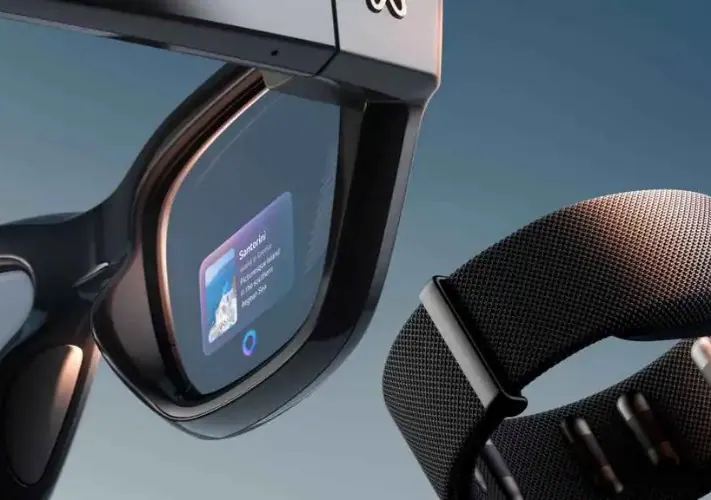
Governments, courts, and companies in multiple countries are moving to restrict the use of smart glasses equipped with cameras and microphones. This shift comes as concerns grow over the potential for these devices to be used for secretly filming or recording individuals and sensitive materials. The development of smart glasses, such as those by Meta in collaboration with Ray-Ban, has brought this technology into mainstream use.
In Australia, the government is considering banning the use of smart glasses with cameras in government workplaces due to privacy and security concerns. The Minister for Public Service, Katie Gallagher, has asked the Australian Public Service Commission to provide recommendations on a potential ban and possible exceptions. This move reflects a growing trend of regulatory scrutiny of smart glasses.
In the UK, courts in England and Wales have prohibited the use of Meta's smart glasses due to restrictions on taking photos and videos within court premises. Additionally, cinema operators in the UK have started implementing policies that either ban or restrict the use of camera-equipped smart glasses, citing fears of piracy and unauthorized filming of movies.
The European Union is also taking steps to examine the implications of smart glasses. Data protection authorities within the EU are subjecting smart glasses to increased scrutiny. The European Data Protection Board has been tasked with preparing a report on the societal acceptance of this technology and its potential impact on privacy.
Norway is considering a temporary ban on the use of smart glasses in public gathering places, including parks, beaches, museums, shopping centers, and public events. The capital, Oslo, had previously banned smart glasses in schools in August. This proposed ban reflects concerns over the potential misuse of these devices in public spaces.
In the United States, the judicial system in New York has imposed a ban on the use of smart glasses within all its judicial facilities, effective July 20. This ban includes not only smart glasses but also medical glasses or headwear equipped with cameras, microphones, computers, or any technology capable of recording video or audio.
The increasing regulatory pressures on developers of smart glasses highlight the challenge of balancing the proliferation of wearable devices and AI applications with the need to protect privacy and prevent secretive recording. As smart glasses become more prevalent, authorities worldwide are striving to establish appropriate controls.
Key points
- Regulatory bodies in several countries are considering or have implemented restrictions on the use of smart glasses in specific locations.
- Concerns over privacy and security are driving the push for regulations on smart glasses equipped with cameras and microphones.
- The restrictions vary by country but generally aim to prevent unauthorized filming or recording in sensitive areas.