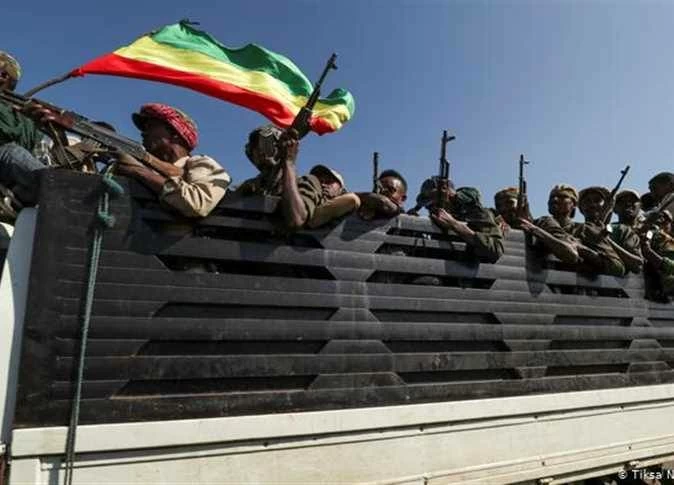
A new alliance of seven armed groups in Ethiopia, known as the "Alliance for Survival," has been formed to overthrow the government of Prime Minister Abiy Ahmed. The alliance includes Fano militia, Oromo Liberation Army (OLA), and the Tigray People's Liberation Front (TPLF), among others. The groups accuse Abiy Ahmed's government of causing war, genocide, and widespread destruction.
The alliance covers half of Ethiopia's 12 regions, including Oromia, Amhara, and Tigray, as well as Somalia, Afar, and Benishangul-Gumuz. These regions are home to over 80 ethnic groups, and the alliance aims to address issues of marginalization and exclusion. The groups claim that Abiy Ahmed's government has failed to respect agreements signed in 2018 to bring peace to the regions.
The formation of the alliance has raised concerns about a potential return to conflict in Ethiopia. The country has experienced several wars and conflicts in recent years, including the Tigray war, which resulted in 600,000 deaths and the displacement of millions. Although a peace agreement was signed in 2022, there are fears that the agreement may not hold.
Some of the groups in the alliance, such as Fano, were previously allied with the government but have since turned against it. Fano, for example, fought alongside federal forces against TPLF during the Tigray war but later rebelled against the government. The alliance also includes groups that have been fighting against the government for years, such as OLA.
The alliance has sparked concerns about the potential for a new wave of violence in Ethiopia. The government has responded by accusing the groups of terrorism and vowing to take action against them. The international community has also expressed concerns about the situation, with the African Union calling for calm and dialogue.
Experts say that the alliance's chances of success are uncertain, given the government's military strength and international support. However, they also note that the alliance has the potential to create new challenges for the government, particularly if it can coordinate its efforts effectively.
The situation in Ethiopia remains volatile, with many Ethiopians fearing a return to conflict. The government has promised to address the grievances of marginalized groups, but critics say that it has not done enough to address the root causes of the conflicts. The alliance's formation has highlighted the need for a more inclusive and sustainable peace process in Ethiopia.
Key points
- The alliance includes several armed groups, including Fano and OLA, which have previously fought against the government.
- The groups accuse Abiy Ahmed's government of causing war, genocide, and widespread destruction.
- The situation in Ethiopia remains volatile, with many Ethiopians fearing a return to conflict.